
Ivanpah Solar Plant Stays Open as California Regulators Block Shutdown
Introduction
The Ivanpah Solar Electric Generating System, located in California’s Mojave Desert, has been a focal point of renewable energy discourse since its inception. Recently, California regulators took significant steps to ensure that this massive solar plant remains operational despite pressures to shut it down. This decision has profound implications for the renewable energy landscape, local ecology, and the ongoing battle against climate change.
Background of Ivanpah Solar Plant
The Vision Behind Ivanpah
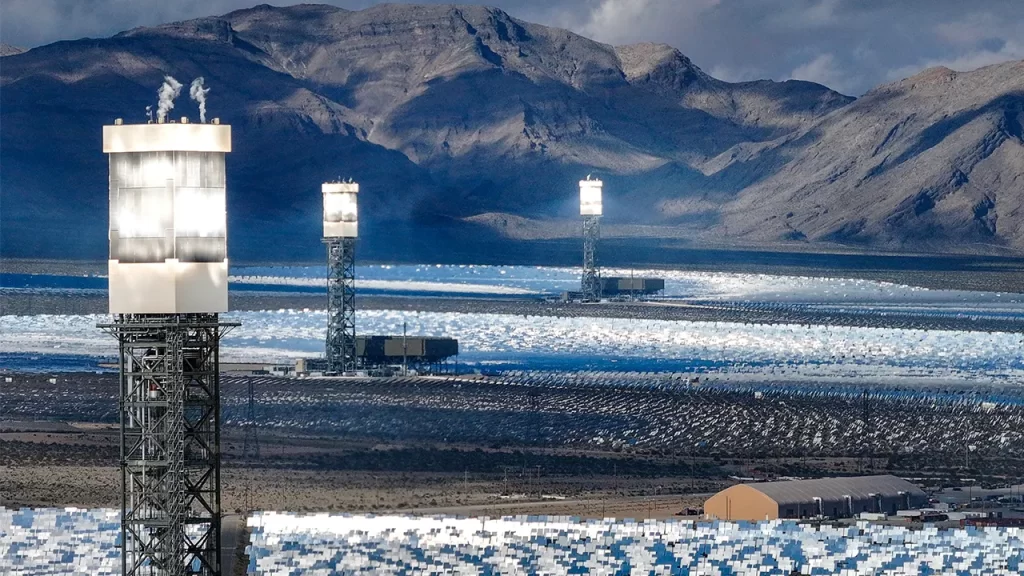
Initiated in 2010 and fully operational by 2014, the Ivanpah Solar Plant is one of the largest solar thermal power facilities in the world. Developed by BrightSource Energy, this facility employs advanced solar technology to generate clean energy. The plant utilizes over 173,000 mirrors, or heliostats, to focus sunlight on three central towers, generating steam to drive turbines and produce electricity.
Capacity and Production
The plant has a generating capacity of 392 megawatts, capable of supplying energy to around 140,000 homes. It integrates cutting-edge technology to harness sunlight efficiently, thereby reducing reliance on fossil fuels. With its significant output, Ivanpah serves as a model for large-scale solar projects globally.
Recent Developments: Regulators Block Shutdown
The Shutdown Proposal
In late 2022, discussions emerged around the potential closure of Ivanpah due to various factors, including environmental concerns and operational challenges. Critics raised alarms regarding the potential impact of the plant on local wildlife, particularly desert tortoises, and its overall efficiency in the broader renewable energy system.
Regulatory Intervention
However, California regulators intervened, blocking the proposed shutdown. Their decision was influenced by a variety of factors, including the importance of maintaining a consistent renewable energy supply and addressing California’s aggressive climate goals.
The Rationale Behind the Decision
-
Energy Needs: As California faces increasing power demands, especially during heatwaves, maintaining a diverse energy portfolio is crucial. The Ivanpah Solar Plant contributes significantly to this portfolio.
-
Regulatory Framework: California has set ambitious targets for reducing greenhouse gas emissions, aiming for carbon neutrality by 2045. The decision to keep Ivanpah operational aligns with these regulatory goals.
-
Environmental Considerations: While there are valid concerns about the plant’s environmental impact, regulators stressed that a careful assessment indicated that shutting down Ivanpah could have a more detrimental effect on California’s energy landscape.
The Impact of Keeping Ivanpah Operational
Economic Implications
-
Job Preservation: The continued operation of the Ivanpah Solar Plant ensures that hundreds of jobs associated with maintenance, operation, and logistics are preserved.
-
Local Economy: The revenue generated by the plant contributes to the local economy, enhancing service and operation sectors in nearby communities.
Environmental Stewardship
-
Renewable Energy Boost: Maintaining Ivanpah’s output supports California’s broader transition to renewable energy and reduces the state’s reliance on fossil fuels.
-
Species Protection Initiatives: Regulators have also emphasized that maintaining the plant allows for the allocation of resources toward better environmental stewardship, including wildlife protection programs.
Challenges Ahead for Ivanpah
Technological Limitations
Although Ivanpah has made significant strides in solar energy generation, it faces inherent limitations in technology. The solar thermal model is different from solar photovoltaic systems, presenting unique challenges related to heat efficiency and energy storage.
Environmental Concerns
While regulators have made the decision to keep the facility operational, there are ongoing concerns regarding its impact on the local ecosystem. Continuous monitoring and implementing mitigating technologies will be crucial to minimizing adverse effects on wildlife.
Financial Viability
The plant has faced challenges related to its financial sustainability, with reports indicating that operational costs may exceed revenues in the long term. The California Public Utilities Commission will have to monitor the plant’s financial health closely.
Future Prospects for Solar Energy in California
Innovation in Solar Technology
The decision to keep Ivanpah open can serve as a catalyst for further innovations in solar technology. Opportunities abound for integrating advanced energy storage systems, improving efficiency, and utilizing AI and IoT to optimize energy production.
Policy Challenges
Entering a new era of energy regulation, California will need to navigate complex policy challenges. The success of Ivanpah could encourage more significant investments in solar technology and stricter regulations ensuring sustainability and efficiency.
Community Engagement
Strong community engagement is essential for the long-term success of solar projects like Ivanpah. Building partnerships with local stakeholders, including environmental advocacy groups and native communities, will foster a shared vision for a sustainable future.
Conclusion
The decision by California regulators to keep the Ivanpah Solar Plant operational marks a pivotal moment in the state’s renewable energy strategy. It highlights the importance of balancing ecological concerns with the pressing need for energy generation in a world increasingly affected by climate change. As the plant continues to operate, it remains imperative for stakeholders to work collaboratively to mitigate its environmental impact while maximizing its contributions to a sustainable energy future.
Through ongoing innovation and robust policy frameworks, California can further pave the way for a greener, more sustainable tomorrow, with Ivanpah serving as a cornerstone of that effort.