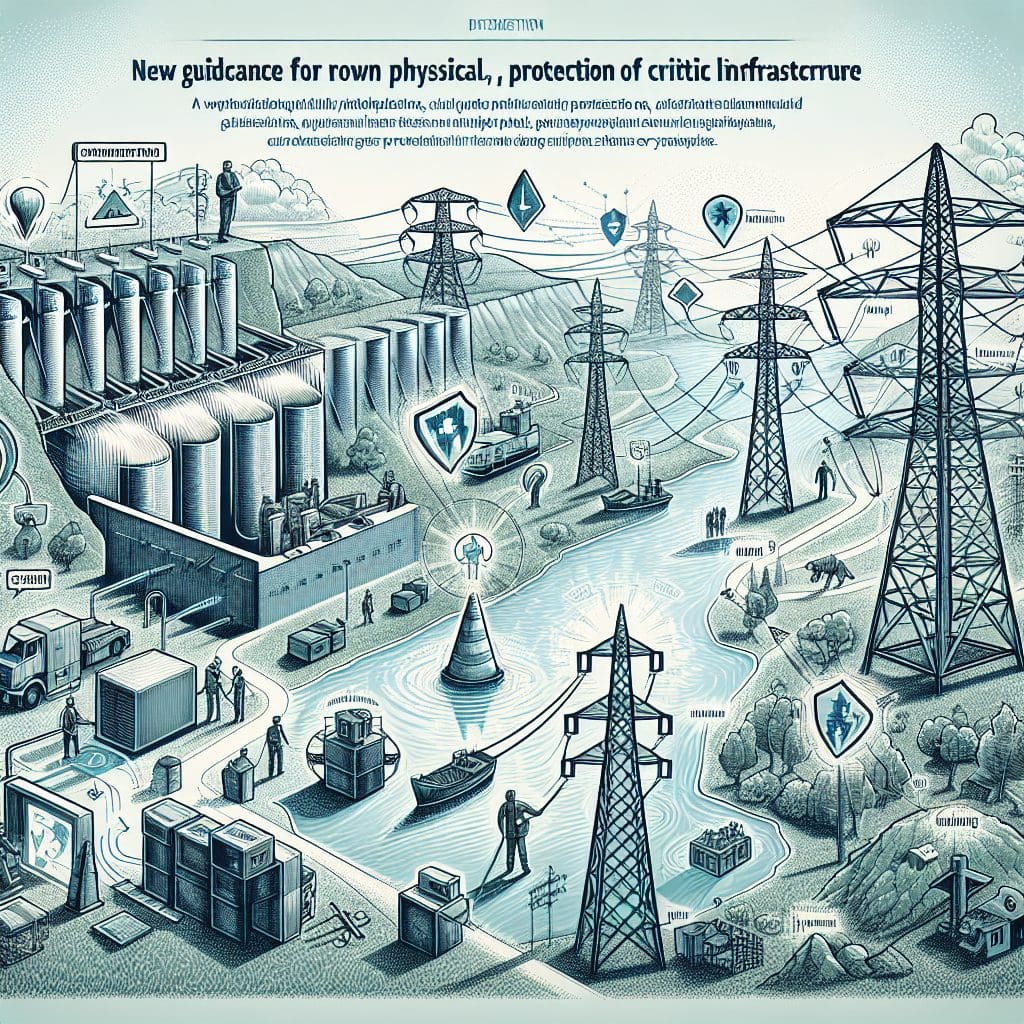

JIATF 401 Publishes New Guidance for Physical Protection of Critical Infrastructure
The Joint Interagency Task Force (JIATF) 401 recently released comprehensive guidance aimed at enhancing the physical protection of the nation’s critical infrastructure. This initiative marks a crucial step in bolstering national security, particularly in light of the evolving threats facing key assets across various sectors such as energy, transportation, and communications.
Critical infrastructure is the backbone of society, encompassing essential services and systems that are vital for the functioning of the economy and the well-being of citizens. Over recent years, the U.S. has faced numerous challenges, including both natural disasters and malicious attacks, that have underscored the vulnerability of these assets. In response, JIATF 401’s new guidance emphasizes a proactive approach to identifying and mitigating risks through targeted strategies.
The guidance provides a framework for government agencies, private sector partners, and local entities to collaborate in reinforcing the security measures surrounding critical infrastructure. This collaboration is essential, as these infrastructures are not only government-operated but also heavily reliant on private-sector resources and expertise. By fostering an integrated approach, the guidance aims to create a more resilient system capable of withstanding and swiftly recovering from disruptive events.
Among the key recommendations in the guidance are enhanced risk assessment methodologies, practical security measures, and the establishment of incident response protocols. It encourages stakeholders to conduct thorough assessments to identify potential vulnerabilities and develop tailored response plans that reflect the unique characteristics of different infrastructures. This tailored approach is critical, as threats can vary widely depending on location, type of infrastructure, and the specific risks involved.
Additionally, JIATF 401 emphasizes the importance of continuous monitoring and information sharing among stakeholders. The establishment of robust communication networks between various agencies and private entities is essential for ensuring timely responses to emerging threats. The guidance advocates for the use of advanced technology, such as surveillance systems and data analytics, to support these efforts.
The release of this guidance aligns with the Administration’s broader commitment to enhancing national security through a collaborative and innovative approach. By cultivating a culture of shared responsibility among all stakeholders in critical infrastructure protection, JIATF 401 seeks to strengthen the nation’s defenses against potential attacks and mitigate the consequences of unforeseen disruptions.
In conclusion, the new guidance from JIATF 401 represents a significant advancement in the protection of critical infrastructure. By promoting a unified and proactive framework, it sets the stage for a more secure and resilient future, safeguarding essential services for all Americans. As threats to national security continue to evolve, so too must our strategies for protection.
For more details and the full reference, visit the source link below: