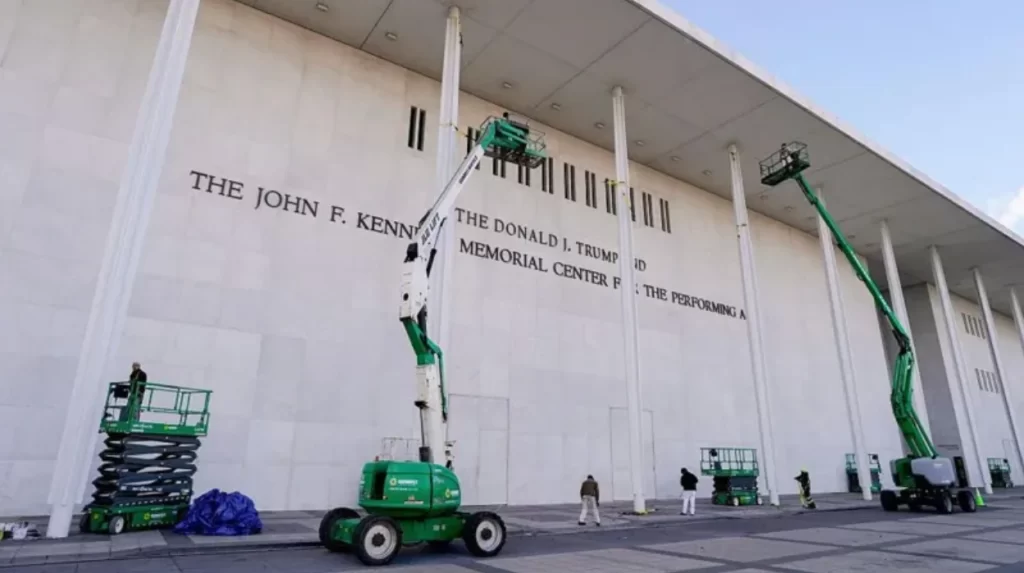

In a significant legal move that has garnered widespread attention, Congresswoman Joyce Beatty has filed a lawsuit aimed at halting the proposed renaming of the John F. Kennedy Center for the Performing Arts. This action arises amidst swirling debates around cultural representation and the importance of preserving historical legacies. Beatty, a prominent figure in the House of Representatives, is known for her advocacy on various social issues, particularly those impacting the African American community. Her decision to take legal action against the Trump administration reflects not only her commitment to protecting the integrity of American arts and culture but also her opposition to what she views as opportunistic political maneuvers.
The proposal to change the name of the Kennedy Center has sparked a fierce backlash among many who believe the institution has served as a vital cultural beacon. Established in 1965 and named after the late President John F. Kennedy, the center has been a symbol of excellence in the arts in the United States. Beatty argues that renaming such a revered institution could diminish its legacy and undermine the foundational values of artistic integrity and inclusivity that it represents.
The timing of this legal action is particularly noteworthy, as it coincides with heightened tensions surrounding political figureheads and their influence on American culture. As former President Donald Trump seeks to reshape the national narrative around institutions, Beatty’s lawsuit serves as a reminder of the importance of safeguarding cultural landmarks from politicization. She asserts that the Kennedy Center is not merely a building; it embodies a rich history of artistic achievement and cultural diversity that should remain untarnished.
In the lawsuit, Beatty emphasizes the need to maintain a public space that honors its original purpose—celebrating the arts and fostering creativity. The center has long been a platform for diverse voices, and its legacy is intertwined with the advancements made in American arts. Beatty contends that altering its name could set a dangerous precedent for how history is remembered and revered.
Moreover, the controversy over the name change raises broader questions about political influence on cultural institutions. Beatty’s response underscores the need for civic engagement and vigilance in preserving cultural heritage. As she pursues legal action, she calls upon fellow lawmakers and citizens to join her in safeguarding the values that the Kennedy Center represents: unity, creativity, and respect for the contributions of all artists.
As the case unfolds, it will undoubtedly prompt further discussions about the intersection of politics and culture in the United States, ultimately highlighting the crucial role of institutions like the Kennedy Center in maintaining the fabric of American identity.
For more details and the full reference, visit the source link below: