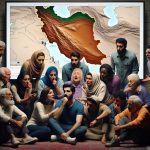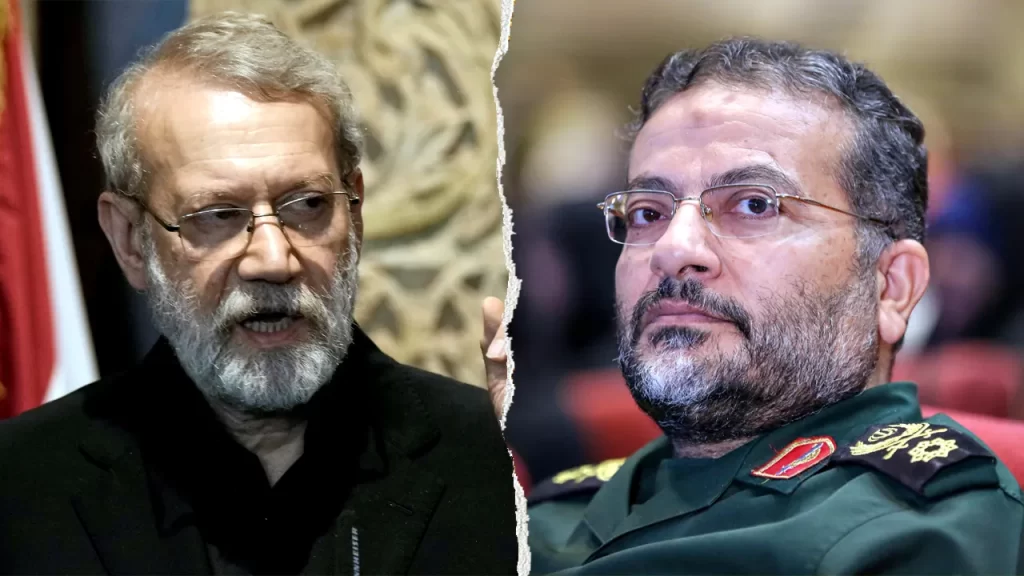

The geopolitical landscape of the Middle East has seen significant turbulence in recent years, particularly with the military strikes targeting key Iranian leaders. These operations, often attributed to high-stakes maneuvers by regional adversaries, have far-reaching implications not only for Iran but also for neighboring nations and global security.
One of the most notable incidents occurred in January 2020, when Qassem Soleimani, the commander of the Quds Force, was killed in a U.S. drone strike near Baghdad International Airport. Soleimani was instrumental in orchestrating Iran’s military strategy across the region, augmenting the country’s influence through proxies in Iraq, Syria, Lebanon, and Yemen. His death marked a pivotal moment in U.S.-Iran relations, prompting fears of an escalated conflict. Iran retaliated with missile strikes targeting U.S. bases in Iraq, highlighting the potential for rapid escalation in a region already marked by volatility.
More recently, the Iranian government announced the death of several key military leaders during strikes attributed to Israeli forces, particularly in Syria. These operations aim to curtail Iran’s growing military presence in the country, seen as a direct threat to Israel’s security. Leaders involved in facilitating Iranian proxy operations have been eliminated, emphasizing the ongoing battle for influence in Syria amid the civil war. This kind of targeted assassination sends a clear message: Iran’s regional aspirations will face significant challenges.
In addition to military implications, the killings of these leaders intensify internal power struggles within Iran. As factions within the Islamic Revolutionary Guard Corps (IRGC) vie for control and influence, the loss of high-ranking officials raises questions about leadership stability. Hardliners may push for more aggressive responses to perceived threats, escalating tensions even further.
International reactions to these developments have been mixed. Some nations express support for actions aimed at countering Iranian influence, while others call for restraint and negotiation. The background of these events often revolves around longstanding conflicts and differing ideologies, complicating the path to dialogue.
The narrative of Iranian leaders being killed in military strikes unfolds against a backdrop of escalating hostilities, impacting not only Iran but also the broader international community. As regional dynamics shift, the necessity for diplomacy and peacebuilding becomes even more critical to avert a wider conflict. The stakes are high, as these incidents shape the future of both Iran and its adversaries, underscoring the fragile equilibrium in the heart of the Middle East. The world watches closely, considering the next moves in a complex chess game of power, influence, and survival.
For more details and the full reference, visit the source link below: