
LA Street Takeover Traps Metro Bus: Riders Watch as Crowd Vandalizes It
Introduction to Street Takeovers
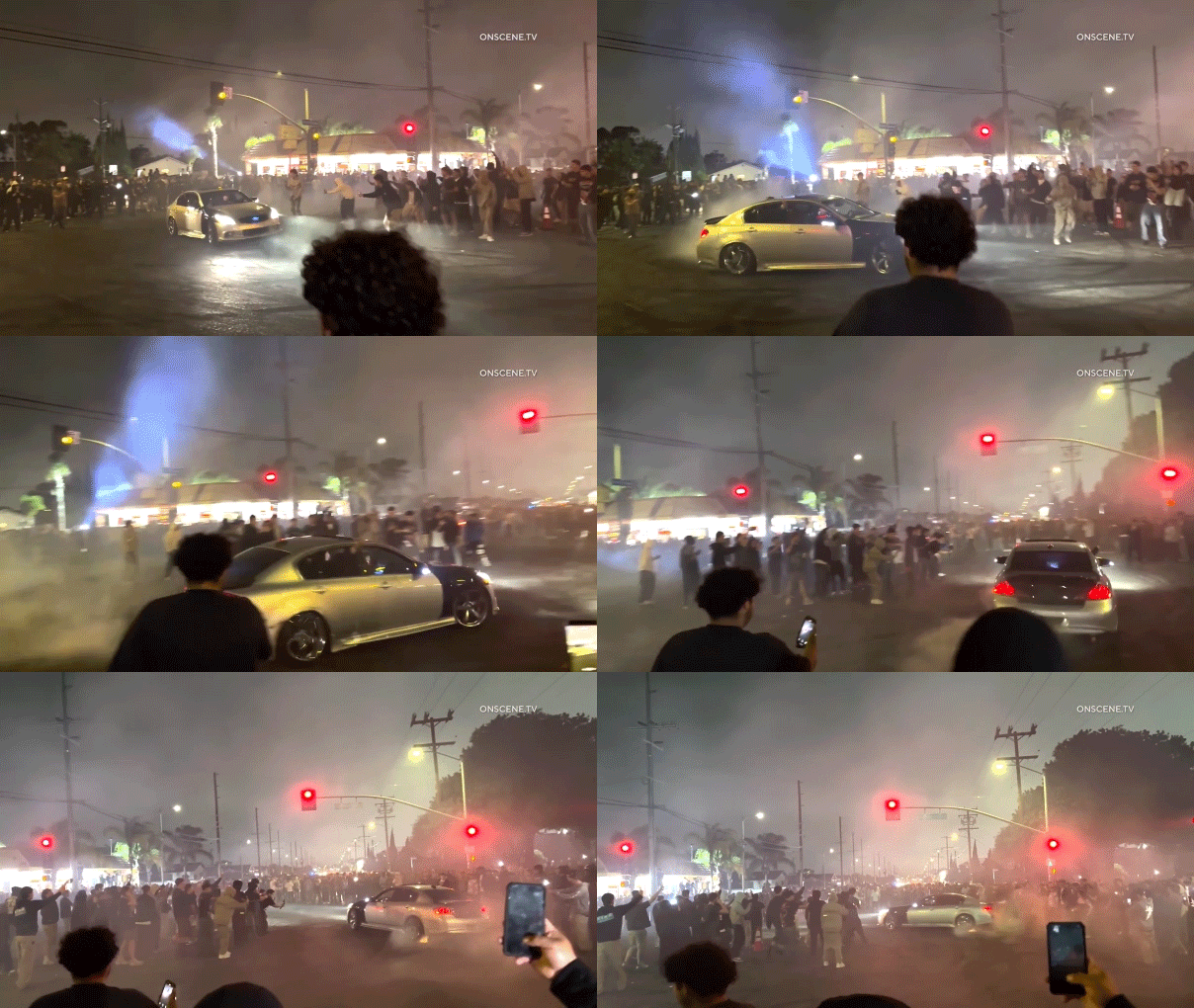
In recent years, urban areas across the United States have witnessed a surge in street takeovers—events that typically involve groups of individuals reclaiming public streets, engaging in unauthorized car racing, and performing stunts. While these gatherings may be viewed by some as a form of community expression, they often spiral into chaos. Such incidents can become dangerous, not just for participants, but also for innocent bystanders. A recent incident in Los Angeles, where a Metro bus found itself trapped in the midst of a street takeover, highlights the potential dangers and the consequences of such activities.
The Incident: What Happened?
On a sunny Saturday evening in Los Angeles, a gathering of car enthusiasts turned chaotic when a large group of vehicles took over a busy intersection. What began as a spectacle quickly escalated when a Metro bus, with passengers on board, became ensnared in the fray. Unable to maneuver its way out, the bus was surrounded by vehicles, and the situation grew increasingly tense.
Riders’ Dilemma: A Gripping Experience
For the passengers on the Metro bus, the moments that followed were nothing short of harrowing. Some riders took to their phones, capturing videos and posting updates on social media as reality unfolded around them. They watched as the crowd swelled in number and intensity, with individuals climbing on the bus and vandalizing it.
Many passengers reported feeling trapped and frightened, expressing concern for their safety. Some attempted to reason with the crowd, while others sought refuge by ducking down in their seats. In a time where public transportation should be a safe space, this unanticipated chaos turned the bus into an unwilling participant in a wild street party.
The Vandalism: An Alarming Turn of Events
As the crowd grew bolder, vandalism of the Metro bus became rampant. Witnesses observed individuals etching graffiti into the exterior, throwing rocks at windows, and in some instances, even attempting to break open the doors. This brazen display of disregard for property and safety raised numerous questions on the ethics surrounding street takeovers.
Though many might lump this behavior into the “youthful exuberance” category, it highlights a severe lack of respect for public assets and safety. The fact that such vandalism was occurring amidst a city landscape underscores the urgent need for effective law enforcement strategies to both manage and deter such behaviors in the future.
Law Enforcement Response: Too Little, Too Late?
As the situation escalated, concerned citizens began to alert law enforcement. However, due to the spontaneous nature of street takeovers, rapid deployment of law enforcement can be challenging. Often, by the time officers arrive, the event is already well underway.
In this instance, police arrived on the scene, attempting to disperse the crowd. However, the chaotic nature of the gathering complicated their efforts. Many officers struggled to navigate through the throngs of individuals, reinforcing the need for proactive law enforcement measures to prevent such incidents rather than react to their aftermath.
Public Sentiment: A Divided Community
Reactions among the local community were mixed. While some residents viewed the takeover as an exciting display of car culture, others expressed outrage at the disrespect shown to public property and the dangers posed to drivers and pedestrians alike. Discussions on social media platforms were polarized, demonstrating the complexity of urban cultural dynamics.
Positive Outlook
Supporters of car culture often argue that street takeovers provide a creative outlet for youth who might otherwise feel marginalized. These gatherings can foster a sense of community, bringing together individuals who share a common passion for vehicles. Advocates call for designated areas for such activities, hoping to minimize disruptions and create safer environments for car enthusiasts.
Negative Outlook
On the other hand, critics emphasize the destruction and chaos caused by street takeovers. They argue that such events can result in severe consequences, including injuries, property damage, and ultimately, a negative perception of urban life. This narrative highlights the importance of addressing the underlying issues that drive young people to engage in dangerous activities, which often include socioeconomic challenges and lack of recreational opportunities.
The Aftermath: Consequences of Vandalism
The aftermath of such street takeovers often leads to legal ramifications for the individuals involved in the vandalism. Authorities may pursue charges for destruction of property and disturbances of the peace. The damaged Metro bus, a crucial mode of transport for many residents, would require repairs, further complicating the public transportation system and possibly leading to delays for commuters.
Solutions for a Safer City
To prevent future incidents from escalating into chaos, city planners and law enforcement must work cooperatively to devise effective strategies. Recommendations could include:
-
Designated Areas: Establishing designated spots for car enthusiasts to gather and celebrate their passion without jeopardizing public safety.
-
Improved Enforcement: Strengthening law enforcement presence during key events to deter illegal activities, particularly in known takeover areas.
-
Community Engagement: Encouraging open dialogue between law enforcement, city officials, and community members to address concerns while fostering a sense of shared responsibility.
-
Youth Programs: Expanding youth recreation and engagement programs that offer constructive outlets for energy and creativity.
Conclusion: A Call for Change
The incident involving the Metro bus during a street takeover in Los Angeles serves as a stark reminder of the consequences that can arise from such events. While communities should celebrate car culture and the passion that drives it, a balance must be struck to ensure public safety and respect for property. By addressing the underlying issues, encouraging dialogue, and implementing proactive strategies, Los Angeles can work towards preventing such incidents in the future, creating a safer environment for all residents.
This incident should not only serve as a cautionary tale but also as a catalyst for conversations around community engagement, law enforcement, and the importance of responsible city living. The city of Los Angeles has the power to redirect the narrative surrounding street takeovers, turning potential chaos into opportunities for unity and positive expression.