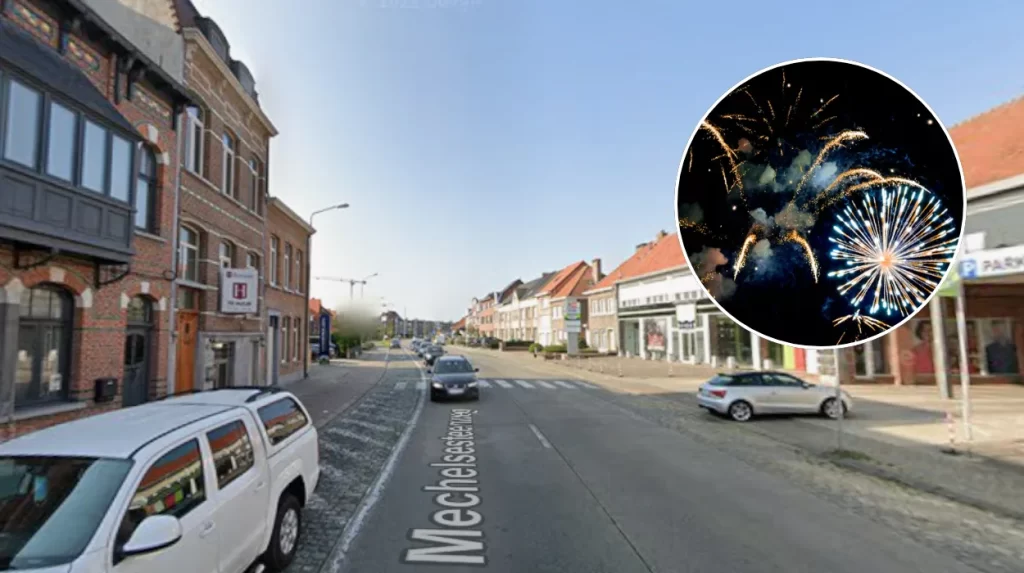

In recent years, the debate surrounding the use of fireworks—particularly the decision by some municipalities to allow them without permits—has ignited (pun intended) significant controversy. Cities like Lier, which chose to forego permit requirements, present a complex case. While the intent may stem from a desire to promote community celebration and local culture, the implications of such a policy raise serious safety concerns.
One of the primary issues with allowing fireworks without permits is the potential for accidents. Fireworks can be unpredictable, and when used improperly, they can lead to severe injuries and even fatalities. Emergency rooms often see a surge in firework-related incidents around holidays like the Fourth of July or New Year’s Eve. Permit regulations typically require safety guidelines and proper displays, aimed at minimizing the risks involved. By eliminating these requirements, authorities may inadvertently place their constituents in harm’s way.
Moreover, there are environmental considerations that cannot be overlooked. Fireworks can contribute to air and noise pollution, affecting both wildlife and human health. The chemicals released into the atmosphere can exacerbate respiratory issues, making it particularly problematic for vulnerable populations. With climate change and environmental sustainability becoming increasingly urgent concerns, it seems counterproductive for municipalities to encourage practices that may harm the environment.
Public safety departments, including fire services, may also find themselves overwhelmed during peak usage periods of fireworks. Without permits, there is often no clear way to assess the volume of firework activity, making it challenging for first responders to prepare adequately. This can lead to slower response times in emergency situations, exacerbating the dangers associated with such activities.
Community sentiments regarding personal freedom and celebration are undoubtedly important. Many individuals view fireworks as a cherished tradition, and there is a valid argument for allowing people to enjoy them. However, striking a balance between enjoyment and safety is imperative. Promoting responsible usage through permit requirements can provide an avenue for celebration while also ensuring that safety measures are in place.
Ultimately, the decision by Lier to allow fireworks without permits reveals a broader societal conflict between regulation and freedom. While the intention may be to bolster community spirit, the potential risks merit serious consideration. As such, municipalities should explore alternative approaches that allow for personal expression while safeguarding public health and safety—perhaps through organized events where professionals handle the displays. In doing so, communities can enjoy the beauty and excitement of fireworks without compromising the well-being of their citizens.
For more details and the full reference, visit the source link below: