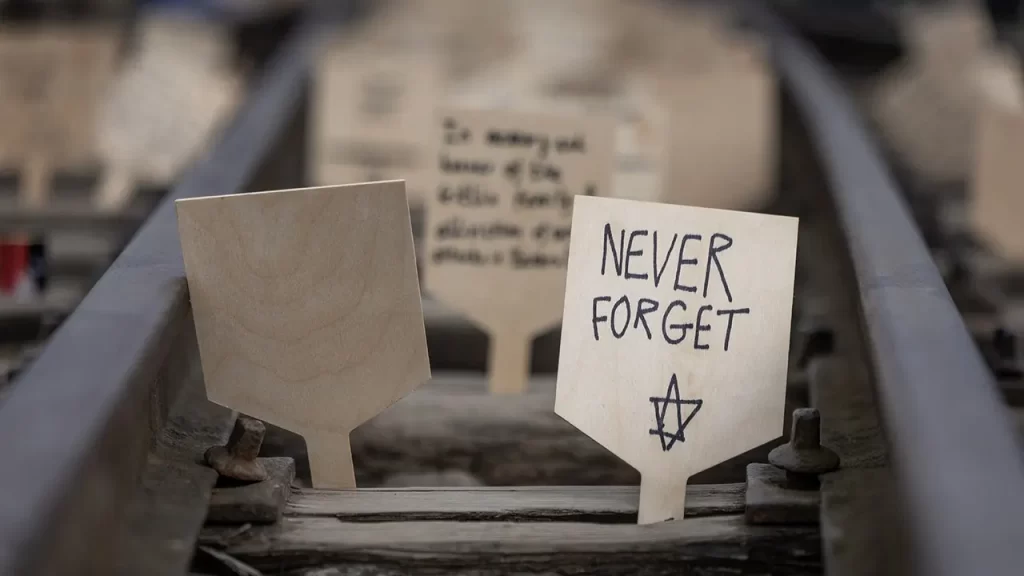

Long Island Survey Reveals Alarming Beliefs About the Holocaust
Introduction
A recent survey conducted in Long Island has revealed that a disturbing 15% of respondents believe that the Holocaust was “exaggerated.” This statistic raises serious concerns regarding historical awareness and education about one of the most tragic events in human history. Understanding the implications of such beliefs is crucial for ensuring accurate historical narratives and fostering an informed society.
The Survey: What Did It Indicate?
The survey, which gathered data from various demographics across Long Island, aimed to assess perceptions of the Holocaust among the local population. Conducted by a renowned social research organization, it highlighted not only the percentage of individuals who held the misbelief that the Holocaust was exaggerated but also demonstrated a concerning lack of awareness about historical facts.
Key Findings
- 15% Belief in Exaggeration: The startling statistic indicating that 15% of respondents downplayed the Holocaust’s severity emphasizes the urgent need for education on this topic.
- Demographic Disparities: The survey revealed variations in perceptions based on age, education level, and cultural background, indicating potential gaps in historical education.
- Myths and Misconceptions: Many respondents cited a lack of reliable information or education as the primary reason for their beliefs. This points to a larger issue of how history is taught in schools and discussed in society.
Understanding the Holocaust
A Brief Historical Overview
The Holocaust refers to the systematic extermination of six million Jews and millions of other marginalized groups by the Nazi regime between 1941 and 1945. It stands as a grim testament to the consequences of hatred, intolerance, and unchecked power.
Importance of Accurate Historical Representation
Educating future generations about the Holocaust is crucial not merely for historical accuracy but also for fostering empathy and understanding. It’s essential to confront and debunk myths and misconceptions surrounding the Holocaust to prevent future atrocities.
The Impact of Misbeliefs
Psychological and Cultural Consequences
Misbeliefs about the Holocaust can lead to dangerous ideologies and normalization of hate. When significant historical events are downplayed or dismissed, it can foster an environment where extremist views gain traction.
Revisiting Education Systems
Given the alarming results of the Long Island survey, it reveals the necessity of revisiting educational curricula. Schools must incorporate comprehensive historical lessons that include the Holocaust, ensuring thorough coverage of its facts and lessons.
Combating Holocaust Denial and Exaggeration
Advocacy for Educational Initiatives
Educational institutions, community organizations, and advocacy groups must join forces to provide accurate resources and memorial programs to combat Holocaust denial and misinformation. Initiatives such as workshops, seminars, and survivor testimonies can help shift perceptions and bolster understanding.
The Role of Digital Media
In today’s digital age, social media platforms serve as significant vehicles for misinformation. Using these platforms to promote factual information and awareness campaigns about the Holocaust can help counter the spread of myths and exaggeration.
Conclusion: The Path Forward
The results of the Long Island survey serve as a sobering reminder of the need for increased awareness and education about the Holocaust. With a notable percentage of individuals espousing misconceptions, strategizing a robust educational framework becomes imperative. By engaging communities, particularly younger generations, in open discussions and educational initiatives, we can ensure that the narrative of the Holocaust remains accurate, respectful, and, most importantly, remembered.
Call to Action
It is vital for individuals, educators, and community leaders to take action. Advocating for comprehensive Holocaust education not only preserves the memory of those lost but also protects future generations from the dangers of ignorance and bigotry. Let’s work together to create a future where historical facts are respected, and humanity learns from its past mistakes.
Resources for Further Education
- Holocaust Memorial Museums: Utilizing local and national museums can help provide factual information and resources.
- Documentaries and Literature: Engaging with reputable books and films on the Holocaust can deepen knowledge and understanding.
- Community Workshops: Participating in or organizing workshops that focus on Holocaust education and awareness can empower communities.
By confronting the denial and exaggeration surrounding this critical historical event, we can pave the way for a more understanding and compassionate society.