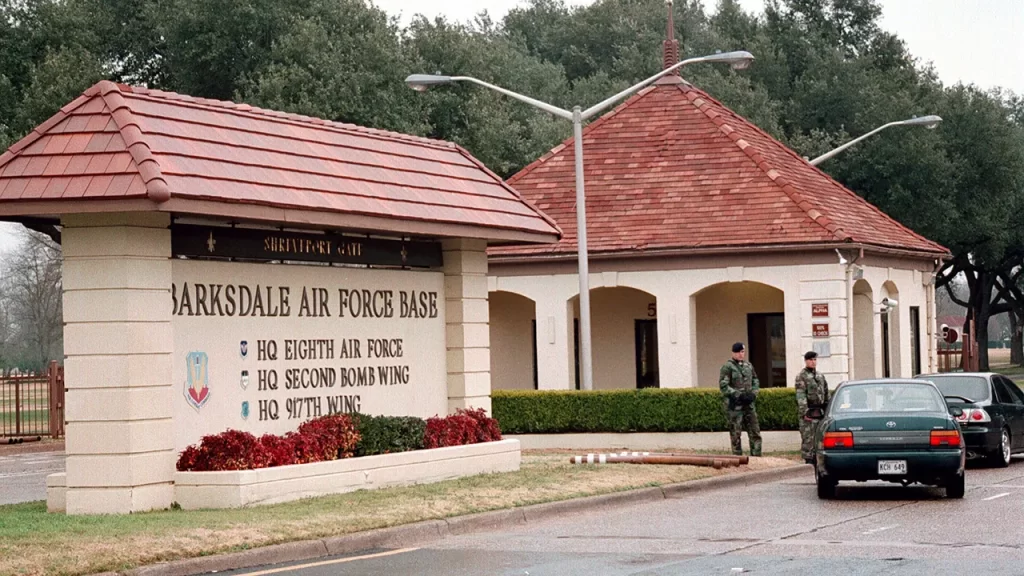

Louisiana Air Force Base Detects Multiple Unauthorized Drones: An Overview
Introduction
In a recent development, Louisiana’s Air Force base has identified multiple unauthorized drones operating in its airspace, raising concerns about security and operational safety. This incident has spotlighted the increasing prevalence of drone use and the challenges posed by unauthorized aerial vehicles near military installations. In this article, we will delve into the details of this occurrence, its implications for military security, and preventive measures that can be taken.
Background of the Incident
Unauthorized drones have become a common sight across many parts of the United States. They pose potential threats, especially when they hover near sensitive areas like military bases. Louisiana Air Force Base recently reported sightings of multiple drones flying in restricted airspace, prompting an immediate response from military personnel. The exact timeframe of these sightings remains unclear, but the incidents underscore the ongoing challenges military bases face regarding airspace security.
Why Drones Are Concerning
Drones can serve various purposes, from recreational use to more sinister applications, such as espionage or surveillance. When flown in unauthorized areas, especially near military installations, they can jeopardize both national security and personnel safety. Additionally, drones can interfere with aviation operations, cause accidents, and hinder missions.
Impact on Air Force Operations
Operational Safety Risks
The presence of unauthorized drones can significantly affect air force operations. For instance, they can disrupt training exercises, compromise flight schedules, and divert attention from essential security duties. Moreover, the risk of mid-air collisions with military aircraft becomes a pressing concern that can lead to catastrophic outcomes.
Mission Complications
Military bases often conduct critical missions for national defense. Unauthorized drones introduce complexity in these operations, as they may require a reevaluation of flight paths or missions altogether. This ultimately drains valuable resources and can slow down essential military responses to real-world threats.
Legal Framework Surrounding Drone Use
Federal Regulations
The Federal Aviation Administration (FAA) governs the use of drones across the United States. Under current laws, flying a drone near military installations without authorization is strictly prohibited. Nevertheless, the challenge lies in enforcement. Many drone operators remain unaware of these regulations, leading to unintended infringements that result in security alerts.
Local Enforcement Efforts
Local law enforcement agencies often collaborate with military personnel to monitor drone activity. This includes offering public awareness campaigns about the dangers of unauthorized drone flying and how it affects national security. Effective communication between local authorities and military installations is essential to ensure compliance with drone regulations.
Response Procedures of the Louisiana Air Force Base
Immediate Actions
When unauthorized drones are detected, military professionals have protocols they must follow. The first step typically involves assessing the situation to determine the potential threat level. Next, appropriate personnel may be dispatched to track the drone’s movements and record any identifiable information, such as the model or operator’s location.
Long-term Strategies
To deter future incidents, Louisiana Air Force Base may implement a combination of technological and operational strategies. This includes investing in advanced radar systems, engaging in community outreach, and enhancing enforcement measures against unauthorized drone operators.
Use of Technology
Many military bases are now employing sophisticated technologies to detect and neutralize unauthorized drones. These may include signal jamming equipment that disrupts drone operation or even counter-drone systems that can capture or destroy unwanted vehicles in a controlled manner.
Community Outreach and Education
Raising awareness among local communities about the importance of adhering to drone regulations is vital. Educational campaigns can help inform drone operators about the dangers associated with flying near military locations and the legal repercussions of such actions.
The Future of Drone Use Near Military Installations
Evolving Drone Technology
As drone technology continues to advance, legitimate uses are expected to proliferate, from delivery services to agricultural monitoring. However, this growth comes with an increased likelihood that unauthorized or malicious actors may exploit these technologies.
The Need for Enhanced Regulations
Policymakers must consider broader regulations that account for the growing complexity of drone operations and addresses issues related to airspace safety and security. Implementing stricter penalties for unauthorized drone activities may also deter recreational users from operating drones near military installations.
Public-Private Partnerships
Collaboration between private drone manufacturers, regulatory agencies, and military installations can lead to the development of safer systems. By establishing protocols and providing platforms for drone operators to report their intended flight paths, accidental infringements may be minimized.
Conclusion
The detection of multiple unauthorized drones by the Louisiana Air Force base is a clear indication of the challenges that military installations face in ensuring the security of their airspace. With the increasing popularity of drone technology, it is essential to prioritize safety through education, legal enforcement, and advanced technological solutions. By taking these measures, military bases like the one in Louisiana can uphold operational integrity and safeguard national security.
FAQs
-
What regulations govern drone use near military bases?
The FAA regulates drone use, prohibiting unauthorized flying within certain airspace zones, including military installations. -
What actions can military bases take against unauthorized drones?
They can assess threats, use technology to detect or neutralize drones, and engage in community outreach to educate the public about regulations. -
How does unauthorized drone activity affect military operations?
It compromises operational safety, complicates mission planning, and resources may be diverted to monitor and assess threats. -
What future measures might help curb unauthorized drone use?
Enhanced regulations, public-private partnerships, and new technologies are essential to mitigate risks associated with drone operation near military installations.
By understanding the complexities surrounding unauthorized drone activity, we can help safeguard critical military operations while promoting safety and compliance across the broader community.