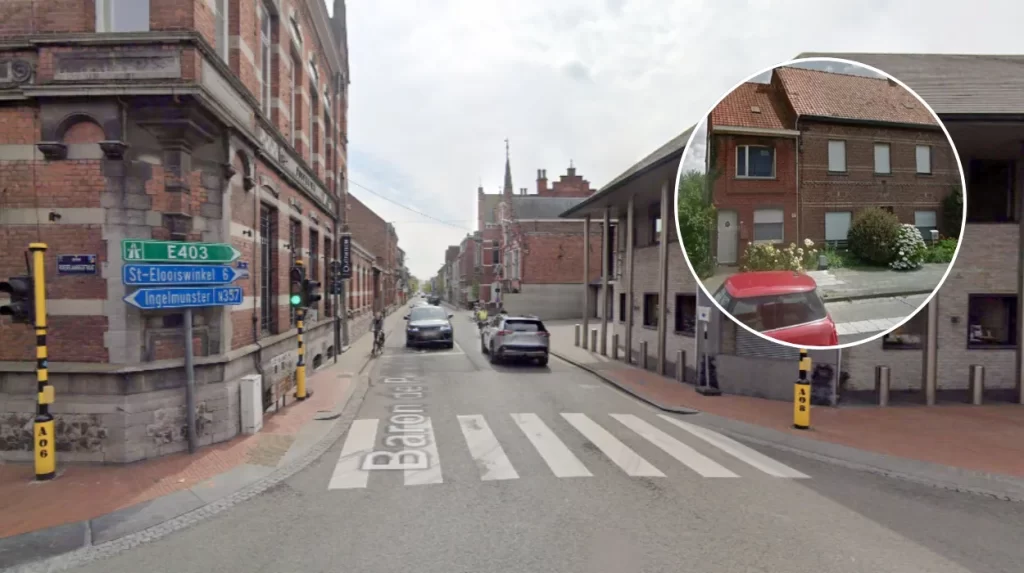

A man was recently hospitalized due to carbon monoxide (CO) poisoning after an indoor barbecue in a squat in Izegem, Belgium. This unfortunate incident highlights the often-overlooked dangers associated with improper use of portable grills and the serious risks of carbon monoxide inhalation in enclosed spaces.
Carbon monoxide is a colorless, odorless gas that is produced when fuels such as gas, charcoal, or wood do not burn completely. It can lead to serious health issues and even death when inhaled in significant quantities. Symptoms of CO poisoning can include headaches, dizziness, confusion, and nausea. In extreme cases, it can result in unconsciousness or death within minutes. Given these risks, using a barbecue indoors or in a confined space is highly discouraged.
In this particular case in Izegem, the man apparently set up the barbecue inside a squat, which is often an informal or unregulated living space that typically lacks adequate ventilation. This scenario creates ideal conditions for the accumulation of carbon monoxide. Fellow occupants of the squat report that they noticed signs of distress in the man, prompting them to seek medical assistance. He was subsequently rushed to the hospital, where medical professionals quickly assessed his condition and provided the necessary treatment for CO poisoning.
This incident serves as a stark reminder of the importance of fire safety and awareness regarding carbon monoxide exposure. Many people may underestimate the dangers posed by common household devices and cooking appliances when used improperly. While outdoor grilling can be a delightful addition to social gatherings, it is crucial to adhere to safety guidelines, such as using barbecues only in well-ventilated outdoor areas.
Authorities have consistently warned about the risks associated with using barbecues indoors, and this incident may reignite discussions regarding the safety regulations governing squat living arrangements. Squats, often lacking proper infrastructure, may not have smoke detectors or proper ventilation systems, further increasing the risks associated with fire and gas exposure.
This occurrence in Izegem echoes a broader public health imperative: education around the dangers of carbon monoxide and other hazardous substances. Increased awareness can help prevent future tragedies and ensure that individuals make safer choices regarding cooking and heating. In the wake of this incident, local health officials may implement outreach efforts to inform communities about the risks of CO poisoning and the importance of using grills safely.
For more details and the full reference, visit the source link below: