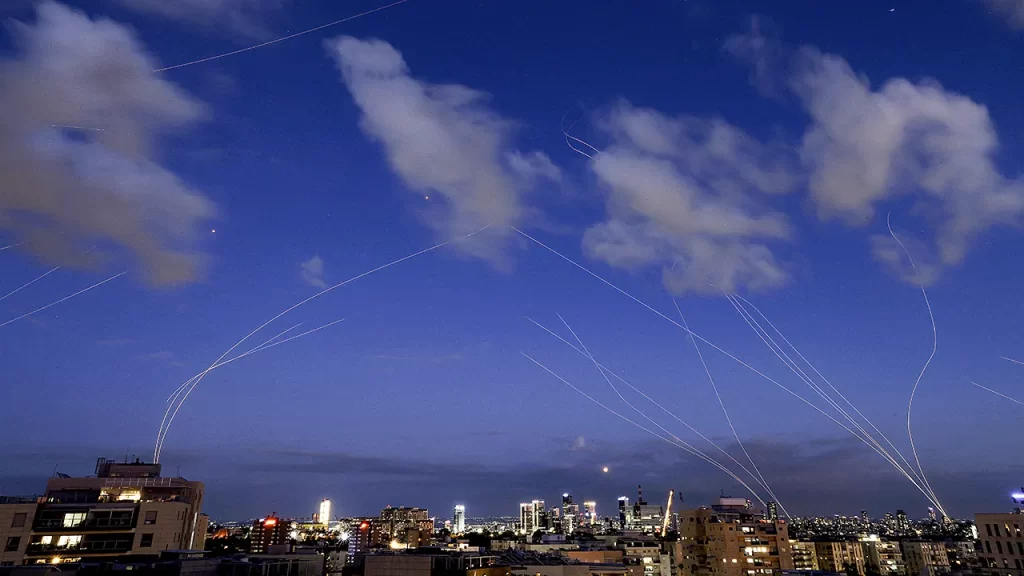

More than 90% of Iranian Missiles Intercepted: A Dangerous Imbalance is Emerging
In recent years, the geopolitical landscape of the Middle East has undergone significant transformations, primarily influenced by Iran’s missile capabilities and the military responses from various nations. Despite intercepting more than 90% of Iranian missiles, a precarious imbalance is emerging which could have profound implications for regional stability.
Understanding the Context: Iran’s Missile Program
Iran has developed an extensive missile program that poses a significant threat to its adversaries, particularly the United States and its allies in the Middle East. For years, Iran has been focused on advancing its missile technology, resulting in a robust arsenal capable of targeting key military and civilian infrastructures in Israel, Saudi Arabia, and beyond.
The Interception Success Stories
Advanced Missile Defense Systems
The effectiveness of missile interception has largely been attributed to advanced missile defense systems, such as the Israeli Iron Dome and the U.S. Aegis Ballistic Missile Defense. These systems have proven instrumental in neutralizing threats, achieving an impressive interception rate of over 90%.
Intelligence and Preparedness
Part of the success in intercepting missiles also stems from intelligence gathering and preparedness. Nations neighboring Iran have ramped up their surveillance and early warning systems, increasing their ability to respond swiftly to missile threats.
The Emerging Imbalance in Military Capabilities
Despite the high interception rates, a dangerous imbalance is emerging within the regional military landscape, raising concerns among various stakeholders.
Increased Iranian Aggression
As interception technologies improve, Iran’s response has included accelerating its missile development and diversifying its delivery systems. This includes the potential development of hypersonic missiles, which could evade current defense systems.
Proxy Warfare and Asymmetric Approach
Moreover, Iran is leveraging proxy warfare and asymmetric tactics to challenge its adversaries. By utilizing militia groups and armed factions across the region, Tehran can circumvent traditional military confrontations. These groups can launch attacks that may not be intercepted by standard missile defense systems.
Regional Arms Race
The high interception rates have prompted neighboring countries to escalate their military spending, furthering an arms race in the region. Nations like Saudi Arabia and the UAE are investing heavily in advanced defense technologies and building up their military capabilities, leading to an increasingly militarized environment.
The Role of Global Powers
U.S. and Western Response
The United States and its allies remain vigilant in their assessment of the shifting power dynamics in the region. Enhanced military cooperation among allies, joint exercises, and arms sales signify an effort to maintain technological superiority. However, the historical reliance on missile interception alone may not suffice for long-term security.
Russia and China’s Involvement
Conversely, nations like Russia and China are capitalizing on the opportunity to expand their influence in the region. By supporting Iran’s missile program through technology transfers and military assistance, they further complicate the balance of power.
The Risk of Miscalculation
Potential for Conflict
The emerging military imbalance could lead to miscalculations that escalate into wider conflicts. Nations may react defensively or preemptively, leading to a cycle of retaliations that could spiral out of control.
Escalating Military Tensions
Additionally, as Iran continues to bolster its missile capabilities, its adversaries may feel pressured to undertake more aggressive postures, hindering diplomatic negotiations.
The Dangers of Overconfidence
There is also a risk of overconfidence among nations equipped with advanced missile defenses. The high interception rate might foster a false sense of security, potentially underestimating the evolving threats posed by Iranian missile advancements and asymmetric warfare.
Financial Implications of an Arms Race
Rising Military Budgets
An arms race ultimately places a financial burden on all nations involved. The increased military spending could divert funds from essential services like healthcare and education, impacting overall national well-being.
Economic Sanctions and International Relations
Furthermore, reinforcing military capabilities could lead to further economic sanctions, particularly aimed at Iran, creating more friction in international relations that may have broader implications.
Diplomatic Solutions: The Need for Increased Dialogue
The Importance of Multilateral Engagement
To address the emerging imbalance and prevent potential conflicts, the need for diplomatic engagement cannot be overstated. Multilateral dialogues involving regional players and global powers can help establish norms and policies that mitigate risks.
Confidence-Building Measures
Confidence-building measures, such as transparency in military capabilities and shared intelligence, can lay the groundwork for reducing tensions. Diplomatic avenues must be pursued to de-escalate the arms race and foster trust among involved nations.
Conclusion: Navigating a Complex Security Landscape
While the impressive interception rate of Iranian missiles reflects advanced military capabilities, the emerging dangerous imbalance highlights the complexities of modern warfare. As regional dynamics evolve, it becomes increasingly vital for nations to prioritize diplomatic solutions over military posturing. Only through collaborative efforts can long-standing tensions be alleviated, ensuring peace and stability in an already volatile region.
Final Thoughts
In conclusion, the current geopolitical landscape calls for a careful evaluation of military strategies, recognizing that a balance must be struck between defense capabilities and diplomatic engagement. As nations navigate through these turbulent waters, understanding the implications of military advancements and the importance of dialogue will be crucial in ensuring a more stable and secure future for the region.
SEO Optimization Strategies
- Keywords: Iranian missiles, missile interception, military imbalance, Middle East geopolitics, regional stability.
- Meta Description: Explore the implications of more than 90% interception of Iranian missiles and the emerging military imbalance threatening regional stability.
- Headings and Subheadings: Break the content into clearly defined sections using H2 and H3 tags.
- Internal Linking: Include links to related articles about military strategies, regional conflicts, and diplomatic efforts.
- External Links: Reference authoritative sources and studies on missile defense systems and regional geopolitical analysis.
By adopting these strategies, the content can reach a wider audience while ensuring quality and relevance in the digital age.