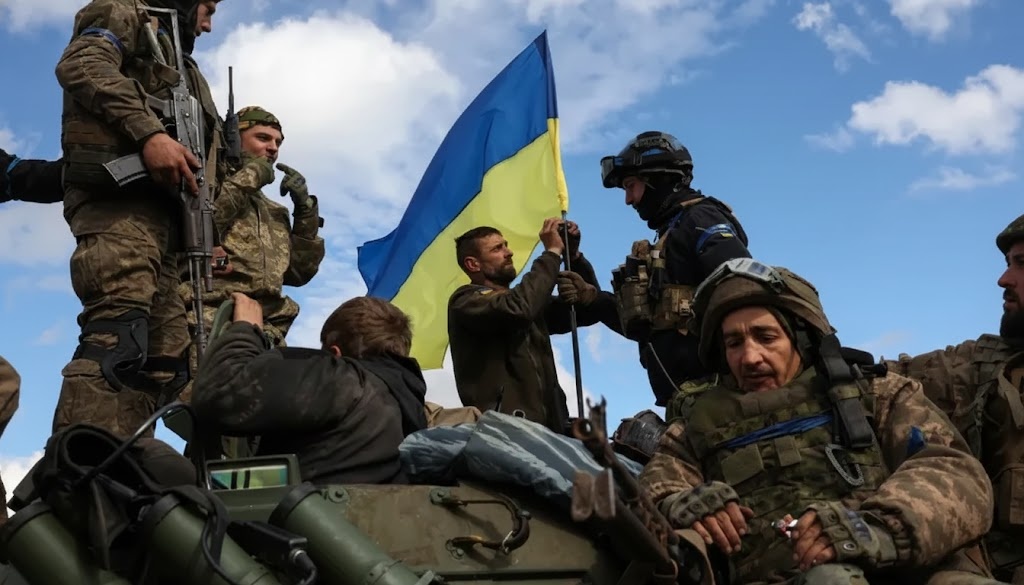

The ongoing conflict between Russia and Ukraine has taken a pivotal turn with Ukraine’s reclamation of the city of Kupiansk. Once a focal point for Russian forces in the Kharkiv Oblast, Kupiansk’s recapture not only marks a strategic military victory for Ukraine but also significantly challenges Moscow’s narrative surrounding the war.
Kupiansk, a hub for logistical operations, had fallen to Russian control early in the conflict. It served as a key access point for supplies and troop movements, enabling Russian forces to maintain their offensive in the region. However, over the last year, Ukrainian forces have demonstrated remarkable resilience and tactical innovation, gradually reclaiming territories that were once lost. The successful recapture of Kupiansk signals a shift in the war’s dynamics, enhancing Ukraine’s defensive stance and emboldening its military campaigns.
The emotional and psychological dimensions of this victory extend far beyond the battlefield. Moscow had framed the narrative around its military incursion in Ukraine as a “special operation” aimed at liberating ethnic Russians and protecting its borders. The loss of Kupiansk undercuts this storyline, revealing vulnerabilities in the Russian military strategy and exposing the limits of its operational capabilities. This dissonance between the Kremlin’s rhetoric and the realities on the ground creates an unsettling atmosphere for both the Russian government and its populace.
Moreover, the significance of this recapture resonates deeply with Ukrainian identity and resilience. The people of Kupiansk, who suffered under occupation, now symbolize the spirit of defiance against aggression. The Ukrainian government has capitalized on this narrative of renewal and liberation, reinforcing nationwide solidarity. The recapture serves as a rallying point for civilians and military personnel alike, energizing recruitment efforts and bolstering morale throughout the country.
As Ukraine continues to push forward in reclaiming territory, the implications extend internationally. The success in Kupiansk could encourage Western allies to provide further support—military assistance, economic aid, and diplomatic backing. These factors are critical in recalibrating the balance of power in the region, making it increasingly difficult for Russia to justify its ongoing military actions.
In summary, the recapture of Kupiansk is more than just a tactical military maneuver; it represents a profound shift in the narrative surrounding the war. It challenges Moscow’s claims of invincibility while highlighting the determination and strength of the Ukrainian spirit. As the conflict progresses, the implications of Kupiansk’s return to Ukrainian control will undoubtedly resonate in both military and diplomatic arenas, shaping the future of the Russian-Ukrainian landscape.
For more details and the full reference, visit the source link below: