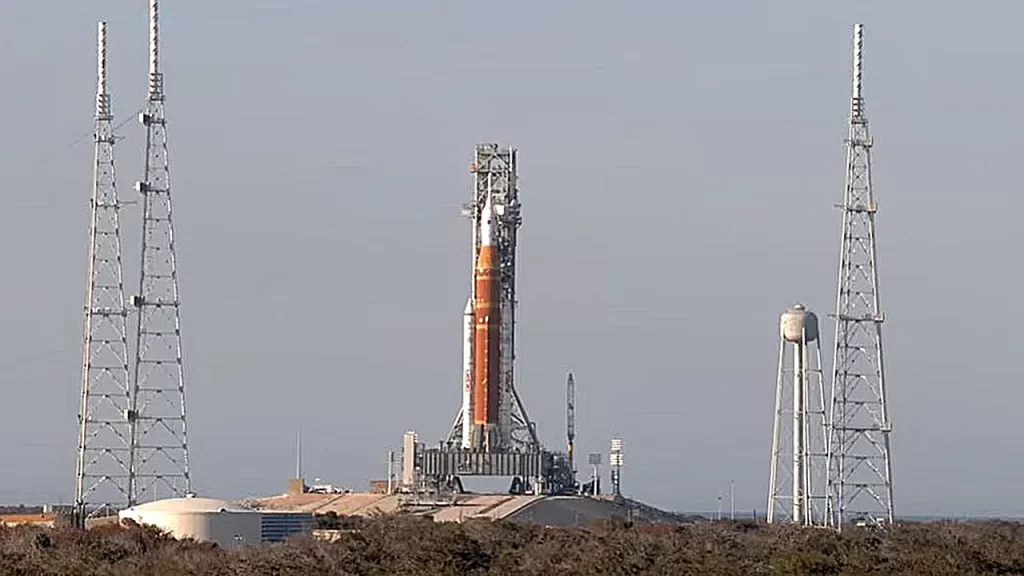

NASA Discovers Helium Problem with Artemis II Rocket During Launch Preparations
Introduction to Artemis II
NASA’s Artemis II mission is a critical part of the agency’s ambitious plan to return humans to the Moon by 2024. As the first crewed mission in the Artemis program, Artemis II aims to not only demonstrate capabilities for deep-space travel but also set the stage for subsequent lunar landings. However, recent launch preparations have revealed a significant helium issue with the Artemis II rocket that has raised concerns among engineers and mission planners.
The Role of Helium in Rocket Launch Preparations
Helium plays a crucial role in rocket technology, serving as an inert pressurizing gas in many systems. In the case of the Artemis II rocket, helium is essential for the propulsion system to ensure optimal performance during launch. It is used to pressurize fuel tanks, thus maintaining the required fuel flow throughout the launch sequence.
Pressurization and Fuel Flow
Proper pressurization is vital for the efficient functioning of rocket engines. Any deficiency in helium supply can lead to inadequate fuel pressurization, potentially causing launch delays or failures. This is particularly concerning for Artemis II, which is designed to undergo rigorous tests once the systems are operational.
The Discovery of Helium Issues During Preparations
Early Detection Systems
As Artemis II underwent pre-launch checklists and system evaluations, engineers utilized early detection systems to identify any abnormalities. It was during this phase that the helium problem became apparent. Engineers noticed that the helium levels were not reaching the expected thresholds, triggering an immediate review.
Investigating the Source
Upon further investigation, engineers analyzed helium tanks and plumbing for leaks or blockages. They conducted a series of tests to determine if the helium supply chain had issues or if there were systemic problems associated with the rocket’s pressurization systems.
Consequences of Helium Supply Issues
Potential Launch Delays
The helium problem raised immediate concerns about the timeline for Artemis II. NASA is operating under strict deadlines, as each launch delay could impede the overall agenda for lunar exploration. This unintended hiccup can push the launch further back, affecting subsequent missions planned for the years to follow.
Engineering Challenges
Beyond scheduling, the helium shortage presents engineering challenges. Teams must brainstorm potential solutions that may involve rerouting the helium supply lines, recalibrating existing systems, or even modifying hardware to accommodate uninterrupted helium flow.
Addressing the Helium Issue
Immediate Measures
To resolve the helium issue quickly, NASA initiated immediate investigative measures. This included mobilizing teams of engineers to the Kennedy Space Center for on-site analysis. The goal was to isolate the problem and implement fixes efficiently to resume normal operation as soon as possible.
Long-Term Solutions
In the long term, NASA is focusing on optimizing its helium supply chain. This includes looking at alternative suppliers, improving internal tracking systems for helium usage, and exploring innovative methods for helium capture and storage to prevent similar issues in future missions.
Understanding the Importance of Helium for Future Missions
The Role of Helium in Future Artemis Missions
As pivotal as helium is for Artemis II, its role extends beyond this single mission. Future Artemis missions will rely on helium for various functions, from engine operations to instrument cooling. Maintaining a reliable helium supply is essential not only for Artemis II but for the entire Artemis program.
Broader Implications for Space Exploration
The challenges faced by Artemis II regarding helium also reflect broader issues in the aerospace industry. Helium scarcity has been a growing concern in multiple sectors. As space exploration becomes more routine, ensuring the stable availability of critical materials like helium will be essential for the sustainable advancement of technology.
Conclusion
NASA’s discovery of the helium problems with the Artemis II rocket during launch preparations underscores the complexities involved in space missions. Though challenging, such obstacles are not uncommon in aerospace endeavors. The agency’s commitment to addressing these issues head-on demonstrates resilience and innovation and actions taken cite the necessity for diligent preparation and attention to detail.
The lessons learned from managing the helium issue will pave the way for greater efficiencies in future missions, ensuring that NASA keeps its sights set firmly on the Moon and beyond. The Artemis program continues to inspire a new generation of scientists and engineers, and overcoming challenges like this is a critical stepping stone in humanity’s journey to the stars.