
NTSB Discovers Conflicting Information in Tower Logs from LaGuardia Collision
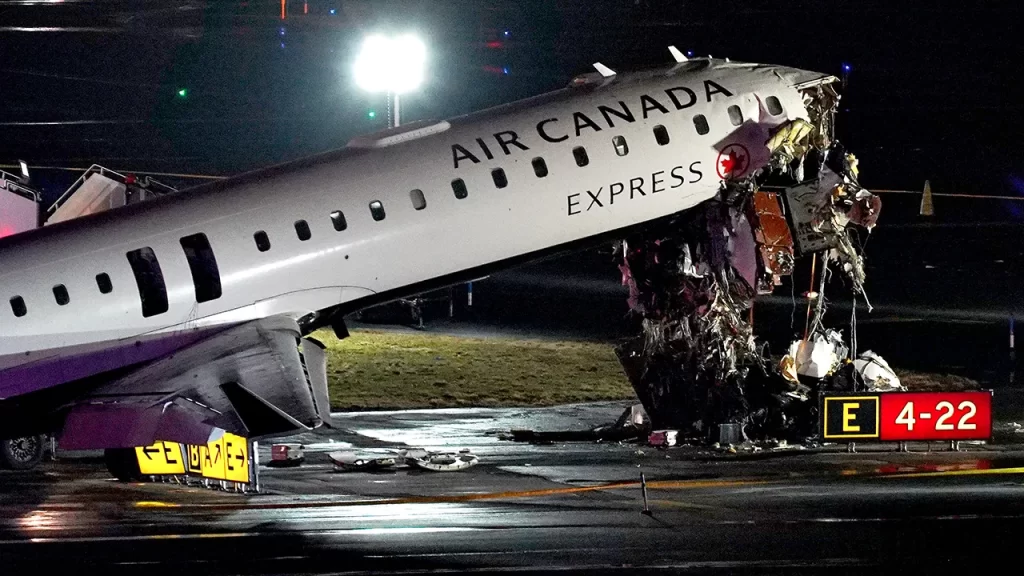
On a busy day at New York’s LaGuardia Airport, a significant aviation incident unfolded, resulting in an investigation by the National Transportation Safety Board (NTSB). The collision between two aircraft has prompted a thorough examination of the tower logs, yielding conflicting information that raises concerns about air traffic control practices and safety protocols. In this article, we will delve into the details of the incident, the findings of the NTSB, and what it means for aviation safety moving forward.
Overview of the Incident
The collision involved two commercial aircraft on the ground at LaGuardia Airport. One was preparing for takeoff, while the other was taxiing. Thankfully, there were no serious injuries reported, but the potential for catastrophe loomed large over this incident. Given LaGuardia’s reputation for high traffic and complexity, the government and aviation authorities were quick to respond to the scenario.
The Role of the NTSB
The National Transportation Safety Board (NTSB) is an independent U.S. government agency responsible for investigating aviation accidents. Their mission extends to ensuring that such incidents are thoroughly examined to prevent future occurrences. In the case of the LaGuardia collision, the NTSB has diligently scrutinized tower logs, flight data, and communication transcripts.
Conflicting Information in Tower Logs
One of the pivotal aspects of the NTSB’s investigation is the conflicting information found in the air traffic control (ATC) tower logs. The logs are essential, as they document communications between air traffic controllers and pilots, detailing instructions on takeoff, landings, and taxiing. However, discrepancies have been uncovered that point to potential lapses in protocol and communication.
This conflicting information could arise from various factors, including human error, technology failures, or even miscommunication between different personnel in the control tower. The NTSB aims to identify the root causes of these discrepancies and how they may have contributed to the collision.
Implications for Air Traffic Control
Air traffic control is a critical component of air travel safety. It involves managing the flow of aircraft in the airspace and on the ground, ensuring that planes are separated adequately to avoid collisions. The conflicting information discovered in the LaGuardia tower logs could have far-reaching implications for air traffic control practices. If the discrepancies point to systemic issues, it could lead to a reevaluation of protocols and training for air traffic controllers.
Moreover, such findings may necessitate the implementation of advanced technology to ensure better documentation and communication in busy airspaces. Investing in better log-book systems and communication tools could mitigate the risks of future incidents.
The Importance of Accurate Documentation
Accurate documentation is vital in aviation. Tower logs serve as a historical record of events that can provide insight into the operational environment during any given timeframe. If discrepancies persist, it hampers the ability of investigative bodies to determine the cause of accidents. Furthermore, it raises questions about accountability and responsibility among air traffic control personnel.
It’s critical that ATC staff maintain meticulous records, especially during peak operational times when the potential for human error increases. By implementing stringent logging standards and regular audits, aviation authorities can ensure the integrity of air traffic management systems.
Consequences of the Findings
The NTSB’s discovery of conflicting information in tower logs could lead to several consequences:
-
Reassessment of Policies: Aviation authorities may be compelled to reassess and revise existing policies surrounding air traffic control documentation. Implementing stricter regulations could be a necessary step to reduce human errors.
-
Increased Training: As the aviation industry becomes more complex, air traffic controllers need recurrent training. Emphasizing communication skills, especially in high-pressure scenarios, can significantly mitigate risks.
-
Technological Upgrades: Current systems may need upgrades or integration with modern technologies such as Artificial Intelligence and data analytics. These advanced systems could help in identifying discrepancies in real-time and provide actionable insights for controllers.
-
Public Trust: Incidents like the LaGuardia collision have the potential to erode public trust in air travel safety. Transparency in the NTSB’s findings and subsequent actions can help rebuild this trust.
Moving Forward in Aviation Safety
As we look to the future, the LaGuardia incident serves as a case study in the complexities of air traffic management. With increasing traffic volumes and the advancements in aviation technology, the focus on safety must be unwavering. The NTSB’s findings should act as a catalyst for change within the aviation industry.
-
Collaboration with Airlines: Collaboration between the NTSB, airlines, and air traffic organizations will be essential. Shared learnings from investigations can foster a culture of safety and vigilance.
-
Enhanced Communication Protocols: Standardizing communication protocols across different airports and control towers can reduce confusion. Enhanced clarity and consistency in communications must be prioritized.
-
A Culture of Safety: All stakeholders in the aviation sector, from airline management to ground staff, must foster a culture of safety. Lessons learned from this incident can strengthen the industry’s commitment to continuous improvement.
Conclusion
The NTSB’s investigation into the conflicting information found in the LaGuardia tower logs has highlighted critical areas that demand attention. Understanding the complexities of air traffic control and implementing changes based on investigative findings will play a significant role in ensuring the safety of air travel in the future.
As air travel continues to grow, it is crucial that authorities address these discrepancies proactively. Collaboration, technological integration, and a commitment to safety will be the cornerstones for a secure aviation landscape moving forward. The lessons learned from the LaGuardia incident will undoubtedly shape the future of air traffic management, ensuring that safety remains the highest priority for all.
By taking these steps, we can secure a safer flying experience for everyone and maintain the high standards that make air travel one of the safest modes of transportation available today.