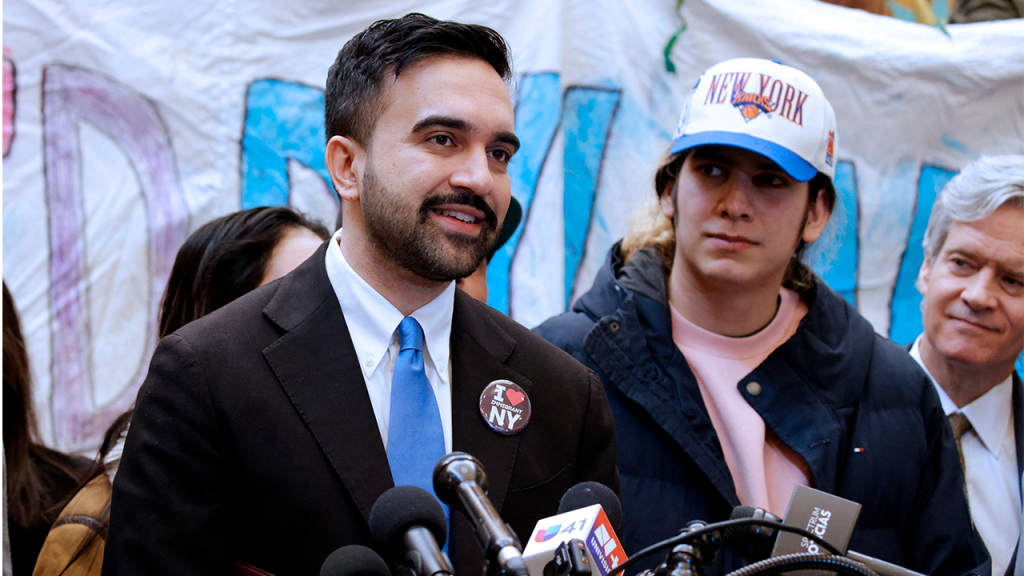

NYC Mayor Mamdani Creates Office of Community Safety to Reduce Police Role
In a groundbreaking move, Mayor Mamdani of New York City has established the Office of Community Safety, marking a significant shift in the city’s approach to public safety. By prioritizing community engagement and social services over traditional policing methods, this initiative aims to nurture safer neighborhoods while fostering trust between communities and local government.
The Vision Behind the Office of Community Safety
Mayor Mamdani’s vision encapsulates a multifaceted approach to public safety. The Office of Community Safety seeks to address the root causes of crime through empowerment and community-oriented solutions. This initiative signals a commitment to transforming governmental responses to crime, moving beyond conventional law enforcement practices.
Focus on Community Empowerment
At the core of the Office of Community Safety is the belief that empowered communities are safer communities. By investing in grassroots organizations and neighborhood initiatives, the NYC government aims to support local leaders in their efforts to build resilience and reduce crime. This approach fosters a sense of ownership among community members, encouraging them to collectively prioritize safety.
Emphasis on Mental Health and Social Services
The establishment of the Office of Community Safety also highlights the importance of mental health and social services in crime reduction strategies. By incorporating mental health professionals, social workers, and community organizers within the framework of public safety, this initiative aims to address underlying issues such as poverty, addiction, and trauma that often contribute to criminal behavior.
Reducing the Role of Police
Traditionally, policing has been the primary strategy for maintaining public safety. However, Mayor Mamdani’s Office of Community Safety calls for a recalibration of this role. By reducing reliance on police intervention and fostering alternative methods of support, the initiative seeks to create a more equitable system.
Encouraging Alternative Response Models
One key element of the Office of Community Safety is the promotion of alternative response models. Instead of inundating police with all calls for service, trained professionals will be dispatched to manage specific situations, particularly those involving mental health crises or social disturbances. This not only de-escalates potentially volatile situations but also allows police to focus on serious crimes.
Building Trust within Communities
One of the significant challenges police face is the erosion of trust within certain communities, often stemming from discrimination and aggressive policing tactics. The Office of Community Safety aims to bridge this gap by creating an environment of accountability and transparency. Engaging community members in meaningful dialogue is crucial for rebuilding this trust and ensuring community voices are heard.
Collaborations with Local Community Organizations
The Office of Community Safety recognizes the wealth of knowledge and resources possessed by local community organizations. Collaborating with these entities will enhance the efficacy of safety initiatives. By pooling resources, the city can leverage existing programs that advocate for de-escalation, mediation, and restorative justice.
Addressing Systemic Issues
To effectively reduce crime and enhance community safety, systemic issues such as poverty and lack of resources must be taken into account. By prioritizing the needs of marginal communities, the Office of Community Safety aims to foster an inclusive environment that works to eradicate the factors that breed crime. Initiatives could include job training programs, mental health services, and educational resources, all of which contribute to a more supportive community structure.
The Role of Data in Shaping Policies
The effectiveness of the Office of Community Safety will rely heavily on data-driven decision-making. By tracking crime statistics, community health indicators, and social service utilization, city officials can identify patterns and allocate resources effectively. This data-centric approach enables more accurate assessments and the ability to adjust strategies in real time, ultimately leading to better outcomes for communities.
Community Feedback Loops
In tandem with data analysis, establishing feedback mechanisms within communities is crucial. By incorporating community input into decision-making processes, the city can refine its strategies to better meet the needs of residents. Regular surveys, town halls, and focus groups can facilitate dialogue between city officials and community members, fostering a cooperative relationship that prioritizes community well-being.
Potential Challenges and Criticisms
Despite the promise of the Office of Community Safety, there remain challenges and criticisms to address. Some skeptics question whether community-based initiatives can adequately replace police interventions, particularly in high-crime areas. Concerns also arise regarding the availability of funding and resources necessary to sustain these initiatives long-term.
Ensuring Adequate Funding
The success of the Office of Community Safety hinges on consistent and adequate funding. Policymakers must prioritize budget allocations for community programs and services. Additionally, securing partnerships with private and nonprofit organizations will be essential to bolster resources.
Addressing Resistance to Change
Change can often be met with resistance, particularly from law enforcement agencies accustomed to traditional methods. Engaging police departments in this transformation will be necessary to ensure a smooth transition and unified approach to public safety.
The Future of Public Safety in NYC
The establishment of the Office of Community Safety represents a paradigm shift in how New York City approaches public safety. By focusing on community engagement, mental health, and social services, Mayor Mamdani is championing an innovative model that stands to redefine the relationship between government and its citizens.
Long-term Goals
As the initiative unfolds, long-term goals will be critical for measuring its success. These may include lowering crime rates, improving community health indicators, and fostering positive relationships between residents and local authorities. Continuous evaluation of outcomes will be key to ensuring that the initiative remains responsive and effective.
Conclusion: A Safer, More Inclusive New York City
In conclusion, Mayor Mamdani’s Office of Community Safety represents a transformative step towards reimagining public safety in New York City. By prioritizing community well-being through empowerment, mental health services, and alternative policing models, the city aims to create a more inclusive environment for all its residents. While challenges remain, the promise of a safer and more connected New York City is worth pursuing, and the establishment of this office could very well set a precedent for cities across the nation.
Through this innovative approach, NYC is poised to demonstrate that safety is not solely about policing, but about fostering healthy, resilient communities.