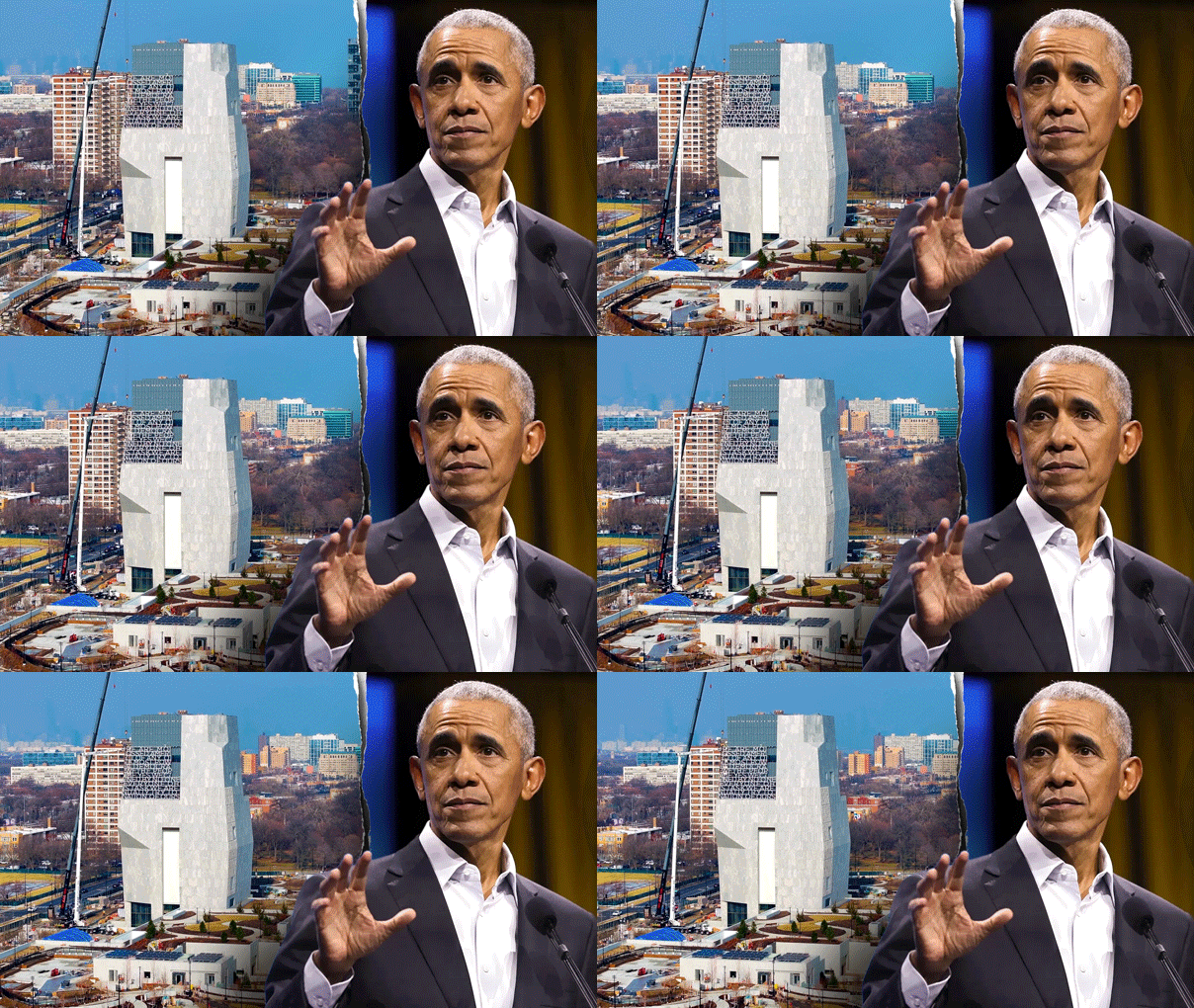

Obama Center Fuels Displacement Fears Among Woodlawn, Chicago Residents
Introduction
The Obama Presidential Center, set to revolutionize the South Side of Chicago, has sparked a mix of excitement and apprehension among local residents, particularly in the Woodlawn neighborhood. While the center promises economic growth, job opportunities, and community engagement, it also raises pressing concerns about displacement and gentrification. This article explores the implications of the Obama Center on Woodlawn residents, offering insights into community sentiment and the potential consequences for long-standing residents.
The Vision of the Obama Presidential Center
The Obama Presidential Center, envisioned by former President Barack Obama and First Lady Michelle Obama, aims to serve as a cultural and educational hub. Planned to include a museum, library, and community spaces, the center aspires to foster engagement and learning. However, this vision does not come without its challenges, particularly for residents of Woodlawn, a community that has historically faced economic hardships and marginalization.
Gentrification: A Double-Edged Sword
Gentrification is a phenomenon where urban neighborhoods undergo revitalization, often leading to increased property values and an influx of more affluent residents. While this can lead to economic growth and improved infrastructure, it can also displace long-term residents who can no longer afford the rising costs of living. For Woodlawn, the presence of the Obama Center has heightened fears of this process.
Rising Property Values
As interest in Woodlawn increases due to the nearby Obama Center, property values may rise significantly. This scenario can result in landlords raising rents, putting pressure on low-income families who have lived in the area for generations.
The Fear of Displacement
For many Woodlawn residents, the prospect of displacement is not an abstract concern—it is a tangible fear. Families worry about being pushed out of their homes as developers and new residents flock to the area. This anxiety is compounded by the historic context of displacement experienced by Black neighborhoods in Chicago, such as the infamous redevelopment policies of the mid-20th century.
Community Response and Activism
In light of these concerns, community activism has emerged robustly in Woodlawn. Residents are advocating for policies that prioritize affordable housing and protect long-standing communities from displacement.
Grassroots Organizations
Several grassroots organizations have taken up the cause of ensuring that the benefits of the Obama Center are equitably distributed. These organizations are demanding community involvement in decision-making processes related to development, housing, and economic planning.
Town Hall Meetings
Community members have organized town halls and forums to discuss the potential impacts of the Obama Center. These gatherings serve as platforms for residents to voice their concerns, share their stories, and collectively develop strategies to advocate for their needs.
Potential Solutions for Sustainable Development
Addressing the fears of displacement in Woodlawn requires thoughtful planning and community-oriented solutions. Policymakers, developers, and community leaders must collaborate to create a sustainable development model that benefits both newcomers and long-time residents.
Affordable Housing Initiatives
One critical solution is the development of affordable housing initiatives. Ensuring that a percentage of new housing developments within close proximity to the Obama Center remain affordable is crucial in maintaining the community’s diversity and cultural fabric.
Community Land Trusts
Community land trusts (CLTs) offer a promising avenue for preventing displacement. By allowing communities to own and manage land collectively, CLTs can help ensure that homes remain affordable for local residents, preserving the area’s heritage while accommodating future growth.
Job Opportunities for Locals
To ensure that the Obama Center brings economic benefits to Woodlawn residents, job training and hiring initiatives aimed at locals should be implemented. This approach would empower community members by providing them with the skills and opportunities necessary to participate in the thriving economy surrounding the center.
The Importance of Community Engagement
Active engagement between local residents, developers, and city officials will be pivotal in shaping the future of Woodlawn. The needs and concerns of residents must be prioritized to foster a development approach that respects the community’s history and promotes its welfare.
Feedback Mechanisms
Establishing feedback mechanisms where residents can express their thoughts on developments, policies, and initiatives will be essential. Creating a transparent dialogue promotes trust and allows for issues to be addressed proactively.
Long-term Planning
Integrating long-term planning strategies that consider the social and economic dynamics of Woodlawn will ensure that the growth spurred by the Obama Center aligns with the needs of the residents.
Conclusion
The Obama Presidential Center undoubtedly holds the promise of revitalizing the Woodlawn neighborhood and South Side of Chicago. However, this transformation must not come at the expense of the very residents who have long called this community home. By addressing fears of displacement through robust community engagement, affordable housing initiatives, and a commitment to local job creation, stakeholders can ensure that the benefits of this monumental project are shared equitably. It is imperative that the voices of Woodlawn residents are heard, respected, and integrated into the decisions shaping their community’s future. Ultimately, the vision of transformation must be inclusive, reflecting the values and aspirations of all who reside in this historic neighborhood.
Key Takeaways
- The Obama Presidential Center has generated excitement but also fears of displacement among Woodlawn residents.
- Gentrification poses significant risks, including rising property values and the displacement of long-term residents.
- Community activism is crucial in addressing these fears through grassroots organizations and town hall meetings.
- Solutions like affordable housing initiatives and community land trusts can help sustain the community amidst growth.
- Ongoing community engagement and long-term planning are essential for ensuring equitable benefits from the Obama Center.
By focusing on these key areas and fostering a collaborative atmosphere, Woodlawn can navigate the challenges ahead, preserving its rich cultural heritage while embracing the opportunities that lie ahead.