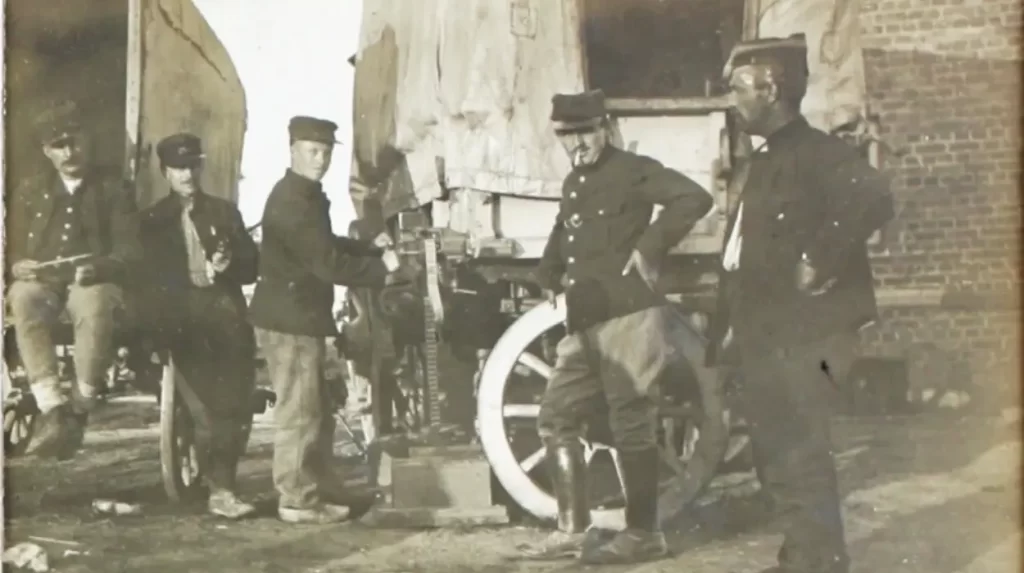

The origins of World War I, commonly referred to as the Great War, can be traced back through a complex interplay of political, social, and economic factors that had been brewing in Europe for decades leading up to 1914. The landscape of Europe at the time was characterized by a web of alliances, fervent nationalism, militarism, and imperial competition, setting the stage for a catastrophic conflict.
One of the primary catalysts of the war was the system of alliances established throughout Europe. The most notable were the Triple Alliance, consisting of Germany, Austria-Hungary, and Italy, and the Triple Entente, comprising France, Russia, and Great Britain. These alliances were initially intended for mutual protection, but they unwittingly created an environment in which a localized conflict could escalate into a full-scale war.
Nationalism played a significant role in the growing tensions. Many ethnic groups sought independence or greater autonomy, particularly in the Balkans, where Slavic nationalism was on the rise. The assassination of Archduke Franz Ferdinand of Austria-Hungary on June 28, 1914, by Gavrilo Princip, a Bosnian Serb nationalist and member of a secret society called the Black Hand, acted as a spark in this volatile atmosphere. Austria-Hungary issued an ultimatum to Serbia, which contained demands that were deliberately designed to be unacceptable. When Serbia’s response failed to satisfy all the demands, Austria-Hungary declared war on July 28, 1914.
The declaration of war set off a chain reaction due to the entangled alliances. Russia mobilized in support of Serbia, prompting Germany to declare war on Russia on August 1. Germany then declared war on France on August 3, believing that France would back Serbia. When German troops violated Belgian neutrality to execute the Schlieffen Plan aimed at quickly defeating France, Great Britain declared war on Germany on August 4.
The early conflicts of the war were marked by rapid movements and initial successes for the Central Powers, particularly during the Battle of the Frontiers and the invasion of Belgium. However, this period of maneuver warfare soon bogged down into trench warfare, which would define much of the Western Front. The fighting became characterized by stalemate, attrition, and horrific casualties.
Thus, the origins and early conflicts of 1914 were shaped by a mix of long-standing rivalries, nationalist fervor, and strategically disastrous decisions. The events that unfolded in that critical summer ultimately changed the course of history, leading to a devastating war that would reshape borders, societies, and the global order for generations to come.
For more details and the full reference, visit the source link below: