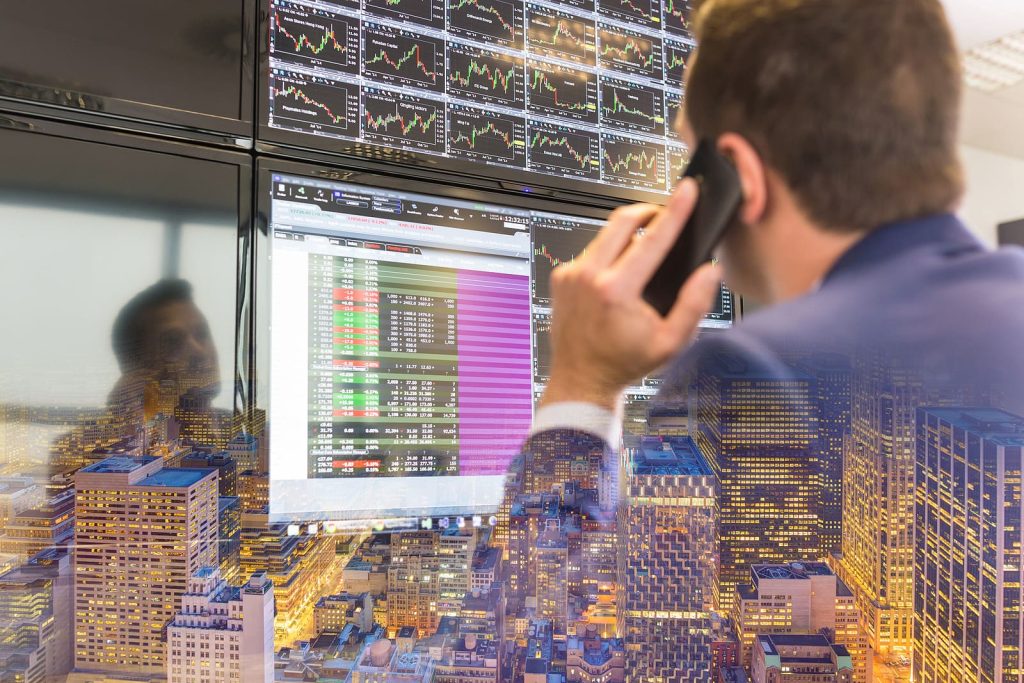

Overseas overnight trading has long been a barometer for market sentiment, offering insights into global perspectives prior to the opening of major stock exchanges. However, recent trends indicate that this segment of trading has started to quiet down significantly. Various factors contribute to this phenomenon, including geopolitical stability, economic conditions, and the influence of technology on trading patterns.
One reason behind the quieting of overnight trading is the relative stability observed in global markets. Following a prolonged period of volatility due to events like the pandemic, geopolitical tensions, and economic uncertainty, markets are showing signs of consolidation. Investors appear to be adopting a more cautious approach, opting to await clearer signals before making significant trades during the overnight periods. As markets stabilize, the frenetic pace of trading seen during more tumultuous times has begun to wane.
Moreover, economic indicators play a pivotal role in shaping trading behavior. Recent economic reports from major economies, such as the U.S. and China, have suggested a mix of growth and caution, prompting investors to reassess their strategies. As traders digest these figures, many may choose to hold off on initiating trades overnight, preferring to react during regular trading hours when volumes and liquidity are higher. This shift can lead to a more subdued trading atmosphere after hours, contributing to the overall quietness.
Technological advancements are also reshaping the landscape of overseas overnight trading. The rise of algorithmic trading and artificial intelligence has allowed for rapid execution of trades, often sidelining human traders. These algorithms can react to news and trades more quickly than a human trader, leading to less participation in overnight markets. Additionally, the prevalence of pre-market and after-hours trading has led many investors to focus their activities during these periods, further diminishing the volume of overnight trades.
The current trend of quiet overseas trading may also hint at a broader psychological shift among investors. Psychological factors, such as fear of missing out or the desire to play it safe, can lead traders to adopt a wait-and-see approach. With less action occurring overnight, there may be less excitement and urgency for traders to jump into the markets, leading to an overall sense of calm.
In conclusion, the silence enveloping overseas overnight trading is a multifaceted issue influenced by stability in markets, macroeconomic conditions, and technological advancements. As traders navigate these evolving landscapes, the quiet turnover during off-hours signals a potential recalibration of strategies in response to a shifting global economic environment. Whether this trend will persist or give way to new volatility remains an open question, but for now, the quietude suggests a moment of reflection for the trading community.
For more details and the full reference, visit the source link below:
Read the complete article here: https://www.stl.news/overseas-overnight-trading-quiet-dec-30-2025/