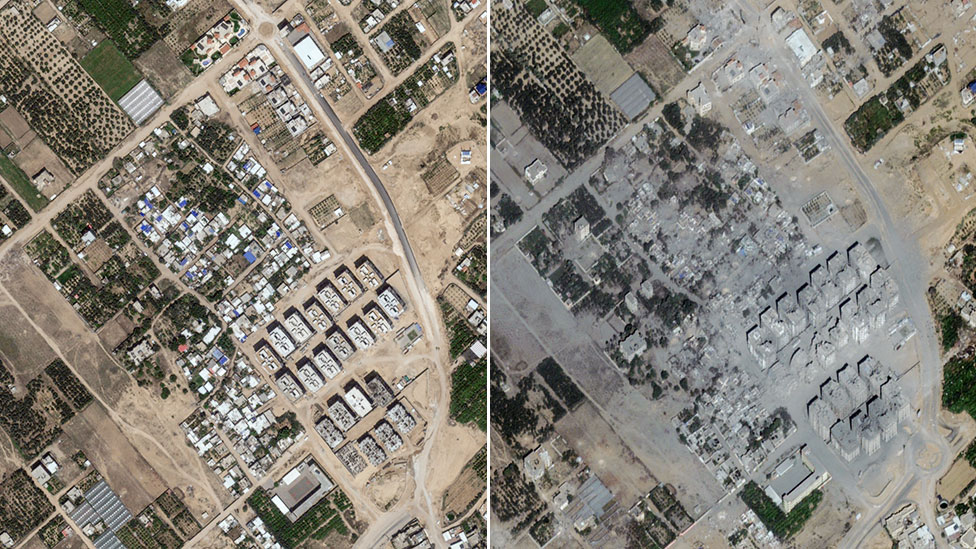

The Palestinian Territories, comprising the West Bank and Gaza Strip, have witnessed alarming changes over the past few decades, driven by a complex interplay of political, social, and economic factors. These changes have profound implications for the lives of the Palestinian people and the broader Middle East conflict.
One of the most significant alterations is the escalation of Israeli settlements in the West Bank. Characterized by systematic land appropriation and infrastructure development, these settlements are a contentious aspect of the Israeli-Palestinian conflict. As more settlers move into these areas, they not only encroach upon Palestinian land, but also fuel tensions between communities. The expansion often leads to increased military presence and more frequent confrontations, escalating the cycle of violence and unrest.
The Gaza Strip, on the other hand, faces dire socio-economic conditions exacerbated by an ongoing blockade imposed by Israel and Egypt. The blockade severely restricts the flow of goods, services, and people, leading to a humanitarian crisis that affects health, education, and overall living standards. Unemployment rates soar, particularly among the youth, resulting in frustration and despair among the population. Overcrowded living conditions combined with limited access to clean water, healthcare, and electricity contribute to a deteriorating quality of life.
Moreover, political fragmentation within Palestinian leadership further complicates the situation. The division between Hamas, which governs Gaza, and the Palestinian Authority (PA), which has control over parts of the West Bank, hampers efforts for a unified Palestinian response to Israeli policies and international diplomacy. This division not only weakens their political stance but also affects governance and public services, leaving many Palestinians feeling disenfranchised and hopeless.
Internationally, the perception of the Israeli-Palestinian conflict has also shifted. As regional dynamics change, Arab nations are reevaluating their stances, with some moving towards normalization of relations with Israel, often at the expense of Palestinian interests. This trend brings additional challenges as Palestinians grapple with diminishing international solidarity and support.
In summary, the Palestinian Territories are experiencing alarming changes marked by an increase in settlement activity, chronic humanitarian crises in Gaza, political fragmentation, and shifting international attitudes. These factors collectively contribute to a volatile situation, demanding urgent global attention and a renewed commitment to peace and justice for Palestinians. The future lies in addressing these longstanding issues with empathy, understanding, and a genuine desire for resolution.
For more details and the full reference, visit the source link below:
Read the complete article here: https://brusselsmorning.com/palestinian-territories-changes/87839/