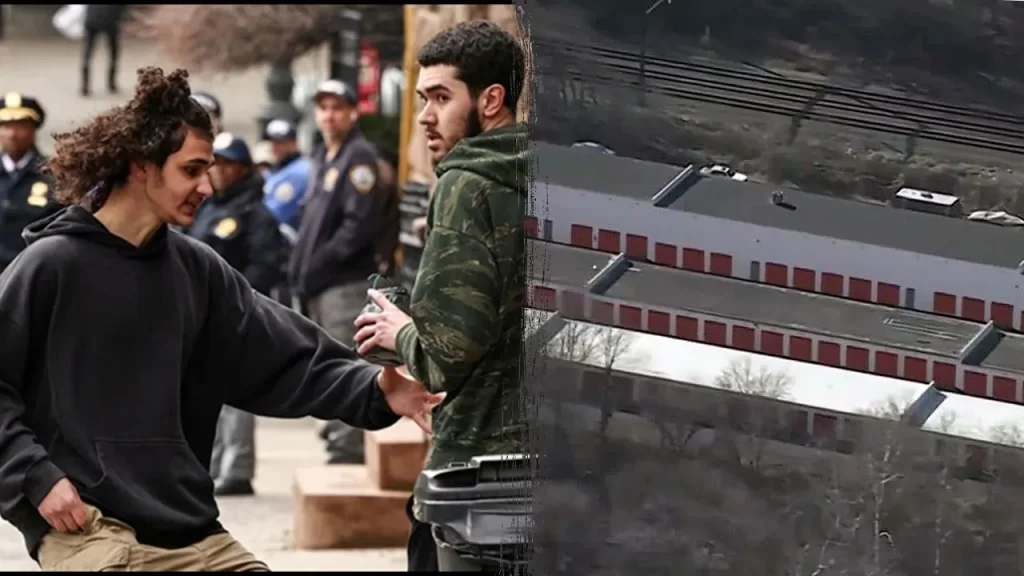

Pennsylvania Teens Accused of ISIS-Inspired Attack at NYC Mayor’s Home
Introduction
In a deeply troubling turn of events, two Pennsylvania teenagers were arrested for allegedly plotting an ISIS-inspired attack on the home of New York City’s mayor. This disturbing incident raises questions about domestic terrorism, radicalization among youth, and public safety. In this article, we examine the details of the case, the implications for national security, and the broader context of adolescent radicalization.
Background of the Case
In early 2023, law enforcement agencies launched an investigation into two male teens from Pennsylvania who were suspected of planning a violent act inspired by the ISIS terror group. According to the FBI, their plot included targeting the residence of the New York City mayor, aiming to garner attention for their extremist views.
Arrest and Investigation
The FBI’s Joint Terrorism Task Force executed the arrests after gathering intelligence on the teens’ communications and activities. Investigators found troubling online postings that indicated a fascination with the ideology espoused by ISIS. The teens allegedly discussed their plan in various online forums and social media channels.
Understanding Radicalization
The Role of Social Media
Social media platforms have become potent tools for radicalization. They facilitate the spread of extremist ideologies, allowing vulnerable adolescents to be influenced by dangerous rhetoric. The Pennsylvania case exemplifies how young individuals can easily become enmeshed in extremist narratives available online.
Psychological Factors
Adolescents are particularly susceptible to radicalization due to a mix of psychological and social factors. Feelings of alienation, a desire for belonging, and exposure to extremist content can lead some teens to embrace violent ideologies. Understanding these motivating factors is vital for preventing future radicalization.
National Security Concerns
Domestic Terrorism Landscape
The incident involving the Pennsylvania teens underscores a worrying trend in domestic terrorism. While international terrorism tends to dominate media narratives, domestic threats, particularly from homegrown extremists, are on the rise. The FBI reported an increase in arrests related to domestic terrorism, drawing attention to the need for robust counterterrorism measures.
Targeting High-Profile Figures
Targeting high-profile figures, such as the NYC mayor, is a tactic often employed by extremists to gain media coverage and instill fear. These acts not only target individuals but also aim to disrupt the societal fabric and provoke governmental responses. The psychological impact on the wider community can be profound.
Legal Implications
Charges and Potential Sentencing
The teenagers face multiple charges, including conspiracy to commit terrorism. If convicted, they could face lengthy prison sentences. The legal proceedings will likely delve into the complexities of their motivations and the extent of their planning.
Youth and Legal Consequences
One critical aspect of this case is how the legal system addresses juvenile offenders involved in serious crimes. Courts often consider the age of the perpetrators and their level of intent, weighing the need for justice against the potential for rehabilitation.
Community Response
Public Outcry and Concern
The attempted attack has incited fear and outrage among New Yorkers and beyond. Community leaders have condemned the plot, emphasizing the importance of vigilance in the face of such threats. Security experts are calling for increased awareness and preventive measures to safeguard public spaces.
Educational Initiatives
In response to such incidents, community organizations are advocating for educational programs focusing on countering extremist narratives. Schools and local groups are working to equip young people with critical thinking skills to resist radicalization and develop a robust sense of community.
Preventative Measures
Counter-Radicalization Strategies
Preventing radicalization requires a multifaceted approach. Law enforcement agencies, educators, and community organizations must collaborate to create effective counter-radicalization strategies. These can include outreach programs, youth engagement initiatives, and providing safe spaces for dialogue.
Mental Health Support
Mental health services play a critical role in addressing the needs of at-risk youths. By providing support and resources, communities can help address the underlying vulnerabilities that may lead to radicalization. Early intervention can be a powerful tool in mitigating the risks associated with domestic terrorism.
Moving Forward
Enhancing Awareness and Prevention
As society grapples with the implications of incidents like the Pennsylvania teens’ plot, enhancing awareness and prevention strategies is crucial. Ongoing education about the risks of radicalization, particularly among young people, can create a more informed public.
Building Resilience in Youth
Fostering resilience in youth communities will be vital in combating radicalization. Programs that promote inclusivity, understanding, and acceptance can help counteract the divisive narratives often promulgated by extremist groups.
Conclusion
The case of the Pennsylvania teens accused of planning an ISIS-inspired attack on New York City’s mayor’s home has opened up a broader dialogue about the threat of domestic terrorism, radicalization among youth, and the complexities of addressing these issues. As communities strive to enhance safety and awareness, we must focus on prevention, education, and fostering a culture of inclusivity. By understanding and addressing the root causes of radicalization, society can work towards a safer future for all.