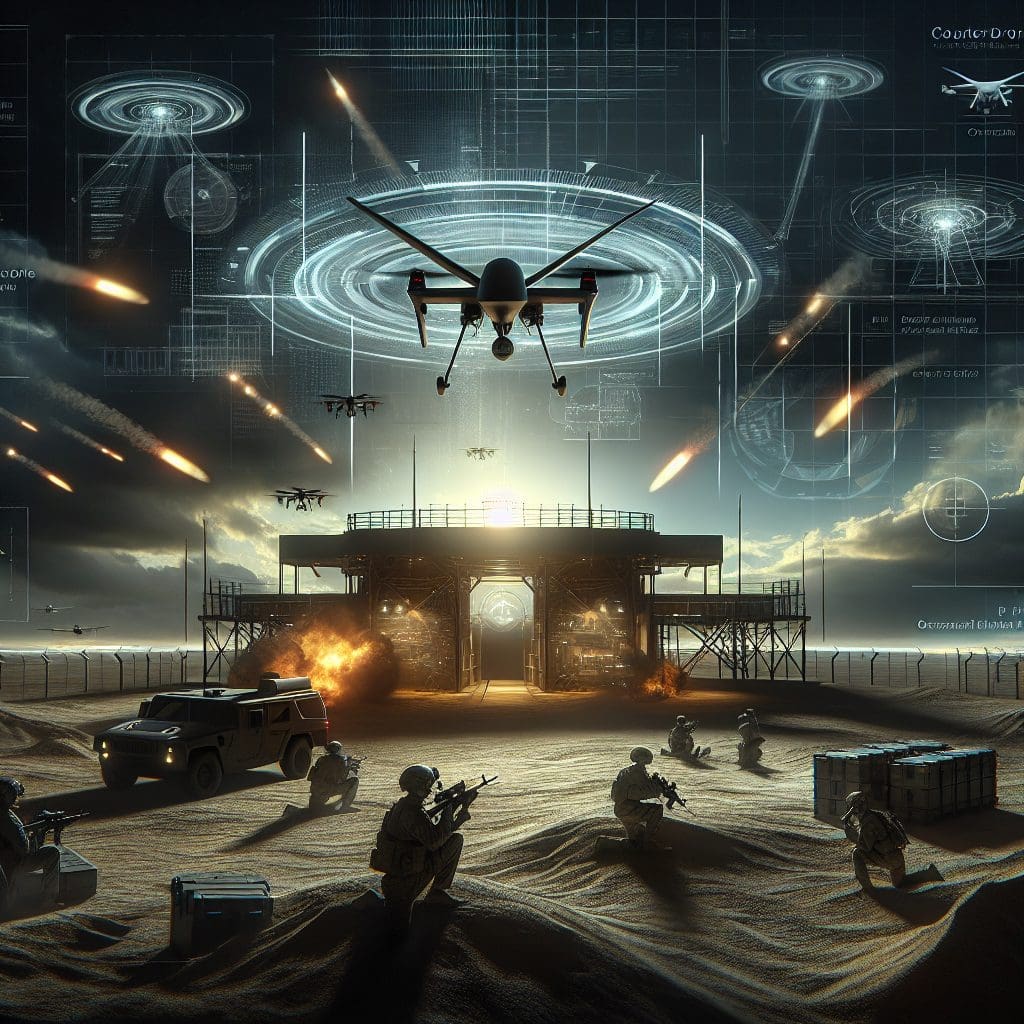

In recent months, the Pentagon has intensified its efforts to develop and deploy counter-drone technologies in response to escalating threats from Iranian drone swarms. The complexity of modern warfare has prompted military authorities to reassess the effectiveness of traditional missile defense systems, which are often ill-equipped to handle the rapid and unpredictable movements of drone swarms. These unmanned aerial vehicles (UAVs), which can be deployed en masse, have posed significant challenges to existing defensive measures, leading to an urgent call for innovative solutions.
The Iranian regime has increasingly leveraged drone technology to exert influence across the Middle East, utilizing these aircraft not only for reconnaissance but also for precision strikes against both military and civilian targets. Recent incidents have underscored the effectiveness of these drones, prompting fears that they could potentially be used in coordinated attacks against U.S. interests or allies. In light of these developments, the Pentagon is accelerating its research and acquisition of counter-drone systems that can effectively neutralize such threats in real-time.
Counter-drone technologies encompass a range of systems, from kinetic solutions like small interceptors to non-kinetic methods such as electronic warfare. The emphasis is on developing adaptive technologies that can respond to the dynamic nature of drone swarms, which often employ tactics designed to overwhelm traditional missile defense arrays. This shift in focus not only highlights the changing landscape of aerial combat but also underscores the need for the military to remain agile and responsive to emerging threats.
In addition to the Iranian drone menace, several major news stories have captured public attention, including geopolitical tensions involving Russia and China, the ongoing challenges posed by climate change, and the impact of domestic policies on the economy. These issues have significant implications for national security and military readiness. The Pentagon’s rapid developments in counter-drone systems can be viewed as a proactive measure to safeguard U.S. interests amid these competing priorities.
The integration of artificial intelligence and machine learning in counter-drone technologies promises to improve detection and response times. By harnessing advanced algorithms, the military aims to develop predictive models capable of identifying potential threats before they materialize. This proactive approach could significantly enhance the effectiveness of aerial defenses and offer a new layer of security against drone swarms.
In conclusion, as the Pentagon expedites its counter-drone initiatives in response to Iranian threats, it remains crucial to address the broader geopolitical arena. The interplay of various global challenges compels military leaders to remain vigilant and innovative, ensuring the protection of U.S. interests while adapting to the rapidly evolving landscape of warfare.
For more details and the full reference, visit the source link below: