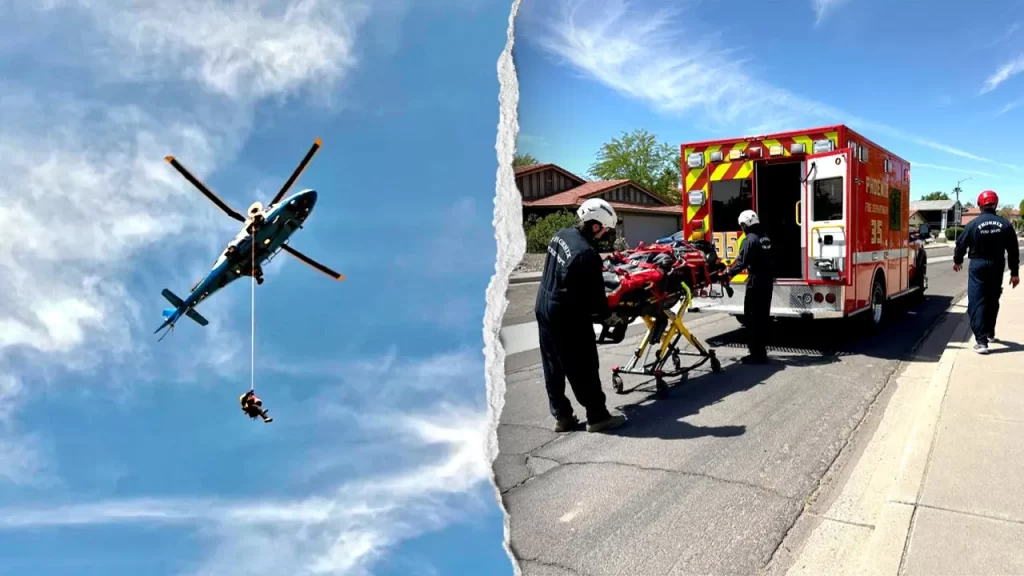

Phoenix Hiker Stung Over 100 Times by Bees: Critical Condition and Airlift Rescue
In a shocking turn of events, a Phoenix hiker found themselves in a life-threatening situation after being stung over 100 times by a swarm of bees. The incident has not only raised concerns regarding outdoor safety but has also brought attention to the importance of understanding bee behavior.
Incident Overview
The incident occurred while the hiker was exploring a popular trail near Phoenix, Arizona. While enjoying the natural beauty of the area, the hiker inadvertently disturbed a hidden bee nest. This led to a rapid and aggressive response from the bees, resulting in over 100 stings.
Emergency responders were alerted immediately, and the hiker was airlifted to a nearby hospital due to the severity of their condition. The multiple stings caused significant allergic reactions, putting the hiker’s life at risk. News of the incident spread quickly through local media, sparking discussions about bee safety and outdoor precautions.
The Health Risks of Bee Stings
Bee stings can pose serious health risks, particularly for individuals who may have allergic reactions. For many people, the venom from a bee sting can lead to mild symptoms such as swelling and pain; however, for others, including the hiker in this case, the situation can escalate quickly.
Understanding Allergic Reactions
Anaphylaxis is a severe allergic reaction that can occur after a bee sting. Symptoms may include:
- Difficulty breathing
- Swelling of the throat and tongue
- Rapid pulse
- Dizziness or fainting
In such cases, immediate medical attention is crucial. The hiker’s critical condition underscores the necessity of being aware of one’s allergies and having an emergency plan in place when venturing outdoors.
Navigating the Outdoors Safely
While outdoor activities like hiking are incredibly rewarding, they come with inherent risks. Awareness and preparation are key to ensuring a safe experience.
Tips for Outdoor Safety
-
Research Trails: Before embarking on a hike, ensure that you are familiar with the trail and any potential wildlife encounters.
-
Wear Appropriate Clothing: Avoid bright colors and floral patterns that may attract bees. Opt for neutral shades instead.
-
Avoid Strong Scents: Fragrances, lotions, and perfumes can attract bees. It’s best to keep scents minimal while hiking.
-
Stay Calm: If you happen to encounter bees, try to remain calm. Swatting at them can provoke a more aggressive response.
-
Know First Aid: Familiarize yourself with first aid procedures for bee stings and keep a basic first aid kit handy.
The Importance of Bee Conservation
While the incident may instill fear, it’s essential to recognize the crucial role bees play in our ecosystem. Bees are vital pollinators, contributing to the growth of many plants and crops. Understanding their behavior and habits can help individuals coexist peacefully with these important insects.
Bee Behavior
Bees typically only sting when they feel threatened. When hiking, avoiding their nests and being aware of your surroundings can minimize the risk of an encounter.
Recovery and Medical Attention
Following the hiker’s rescue, they received immediate medical treatment at the hospital. The healthcare team focused on managing the severe allergic reactions and monitoring for any potential complications stemming from the multiple bee stings.
Importance of Emergency Response
This incident highlights the critical role that emergency responders play in outdoor safety. The rapid deployment of airlift services can mean the difference between life and death in critical situations.
Community Response and Awareness
Since the incident, local authorities and outdoor organizations have ramped up efforts to educate the community on the importance of bee safety while hiking. Community workshops, informational pamphlets, and online resources aim to raise awareness and reduce the risk of similar incidents in the future.
Sharing Personal Experiences
Hikers are encouraged to share their experiences and knowledge. Such discussions can foster a sense of community and enhance outdoor safety practices.
Conclusion
The harrowing experience of the Phoenix hiker serves as a poignant reminder of the dangers lurking in the great outdoors and the importance of safety. With proper preparation, awareness, and understanding of our environment, individuals can enjoy the beauty of nature while minimizing risks.
Call to Action
As outdoor enthusiasts, let’s commit to being responsible and well-informed hikers. Share this information, spread awareness, and help ensure that outdoor adventures remain safe for everyone. By embracing safety precautions and respecting wildlife, we contribute to a healthier and safer hiking community.