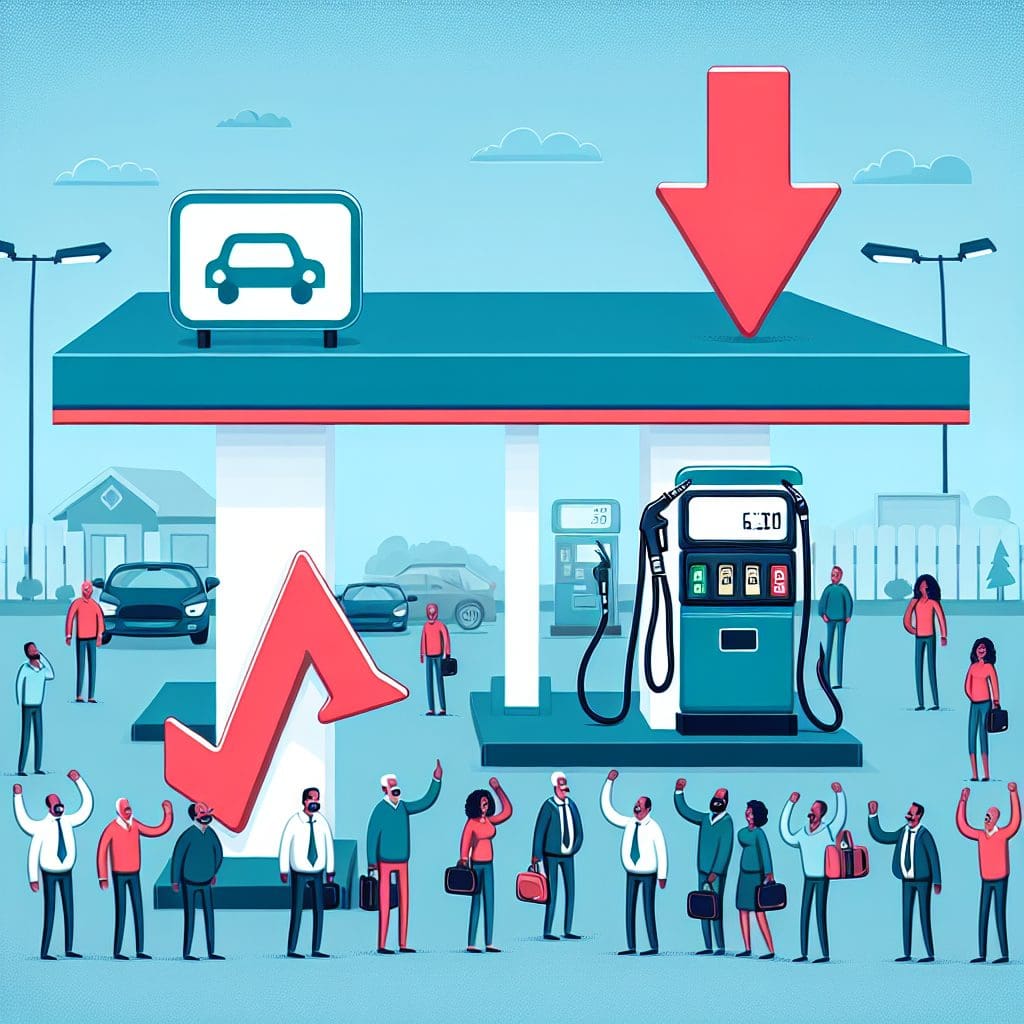

In light of escalating gas prices across Canada, Conservative Party leader Pierre Poilievre is advocating for temporary federal fuel tax relief to alleviate the financial strain on Canadian consumers. The rising cost of fuel has become a pressing issue for many households and businesses, prompting discussions about the government’s role in mitigating these challenges.
Poilievre’s proposal centers around suspending the federal excise tax on gasoline and diesel for a limited time. This move is aimed at providing immediate relief to Canadians who are feeling the pinch at the pumps. According to Poilievre, the increase in fuel prices not only affects individual consumers but also has broader implications for the economy, driving up costs for goods and services due to increased transportation expenses.
The importance of such a measure is underscored by the fact that fuel prices have surged due to a variety of factors, including geopolitical tensions, supply chain disruptions, and pandemic-related fluctuations. As households grapple with increased costs for essential goods, Poilievre argues that the government should step in to ease the burden through tax relief.
Critics of Poilievre’s proposal, however, raise concerns about the potential revenue loss for federal and provincial governments, which rely heavily on fuel taxes for infrastructure and public services. They argue that while the intention is to aid consumers, such a tax suspension may undermine the funds necessary for maintaining roads and public transit systems. Furthermore, there are questions about the broader implications for environmental policy, as reducing fuel taxes might not align with long-term sustainability goals.
Supporters of Poilievre’s initiative, on the other hand, emphasize the immediate need for action. Many families are finding it increasingly difficult to make ends meet, and the rising cost of gas is a significant factor in exacerbating inflationary pressures. Advocates argue that targeted tax relief can offer a temporary solution while broader strategies to address fuel prices are developed.
The conversation around fuel taxes also taps into larger debates concerning energy policy in Canada. With the country facing climate change challenges, the dynamics of fossil fuel reliance and the transition to greener alternatives have become central to political discourse. As Poilievre promotes his tax relief proposal, it highlights the tension between addressing immediate economic concerns and planning for a sustainable energy future.
In conclusion, Pierre Poilievre’s call for temporary federal fuel tax relief reflects a critical response to the rising gas prices affecting Canadians. As the situation evolves, the debate surrounding tax relief, government revenue, and environmental sustainability will continue to shape the narrative in the realm of Canadian politics. The challenge remains to balance short-term relief for consumers with long-term goals for a sustainable economy.
For more details and the full reference, visit the source link below: