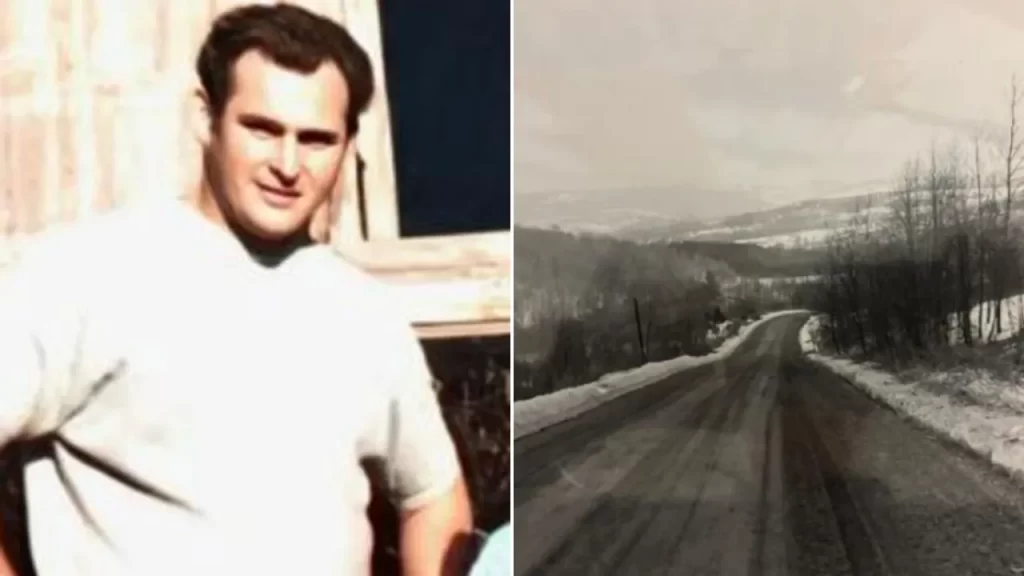

In a remarkable breakthrough for cold case investigations, police have identified a headless victim from a 1976 New York case using advanced DNA evidence. The victim, who had been discovered decades ago, is now recognized as 19-year-old Maureen D. O’Sullivan, a young woman reported missing during that tumultuous era. This development highlights the pivotal role of forensic science in solving cold cases that have remained shrouded in mystery for years.
Maureen was last seen in April 1976, and her disappearance sent shockwaves through her family and the local community. Despite extensive searches and investigations, her case went cold as the years passed. The discovery of her remains in a remote area of the Bronx marked the beginning of an unsolved mystery that haunted law enforcement for decades. The lack of a head made the identification process exceedingly difficult, leading to many unanswered questions and ongoing concerns for her family.
In recent years, advancements in DNA technology, particularly the use of familial DNA searches, have revolutionized the way law enforcement approaches cold cases. In this instance, investigators re-examined the remains, which had been stored for years, and extracted DNA samples. By comparing those samples to existing databases, they could identify potential relatives. This method allowed law enforcement to bridge the gap between old evidence and new forensic capabilities.
Once police initially identified a familial connection, they reached out to relatives, confirming the identity of the victim through DNA testing. The announcement brought a complex mixture of closure and sorrow to O’Sullivan’s family. While they had long hoped for a resolution, the confirmation of her identity brought to light the tragic circumstances of her death. With additional investigation, authorities are now working to piece together the events leading up to her disappearance and untimely death.
This case also illustrates the importance of persistent efforts in solving cold cases; many similar cases could benefit from the same innovative techniques that finally brought some resolution. Furthermore, this identification underscores the critical need for law enforcement agencies to embrace new technologies that can provide answers for families seeking closure.
The revival of this cold case serves as a chilling reminder of unresolved crimes from the past, and while it brings a sense of closure to one family, it opens discussions about unsolved cases that still linger in the shadows. As law enforcement continues to harness the power of DNA evidence, there remains hope that more victims will be identified and justice served, no matter how distant the past may seem.
For more details and the full reference, visit the source link below: