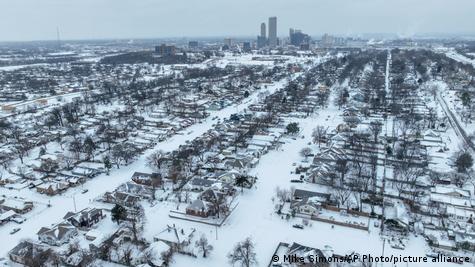

In 2026, the United States faced a series of devastating storms that led to widespread power outages, affecting millions across the nation. These storms, fueled by climate change, were characterized by severe winds, torrential rains, and intense lightning, wreaking havoc on infrastructure and communities.
The storm system began in the Midwest, where a powerful cold front collided with warm, moist air, creating ideal conditions for severe weather. Tornadoes touched down in several states, flattening homes and uprooting trees; the havoc did not end there. As these storms moved eastward, they grew in intensity, causing significant damage to power lines and substations. Reports indicated that over 20 million people experienced interruptions in their electricity supply, with some regions remaining without power for days or even weeks.
The impact of these outages was felt far and wide. Hospitals and emergency services faced enormous challenges as they struggled to maintain operations without electricity. Backup generators proved insufficient for the surge of demand, leading to critical delays in patient care. In rural areas, the situation was even more dire. Many residents relied on electric heaters or air conditioning, making prolonged outages not just uncomfortable, but also dangerous, especially for vulnerable populations.
Emergency response teams were mobilized swiftly to assist those affected. Utility companies worked around the clock to restore power, but downed trees and flooding hampered their efforts. Communities came together, demonstrating resilience and solidarity. Neighbors helped each other by sharing resources like food and generators, while local organizations set up shelters to assist those who were displaced or in need of basic supplies.
Amid the chaos, the effects of the outages were also felt in the business sector. Disruptions forced many companies to close, leading to financial losses and uncertainty. The agricultural sector faced its own crisis, as farmers struggled to preserve livestock and crops without proper refrigeration. The long-term ramifications for economies that depend heavily on agriculture became a topic of significant discussion.
In the aftermath, discussions on infrastructure resilience gained momentum. Policymakers recognized the urgent need for modernizing the electrical grid, investing in renewable energy sources, and implementing better disaster preparedness plans. The storms of 2026 served as a grim reminder of the vulnerability of infrastructure in the face of climate change, igniting a push for comprehensive solutions to mitigate future risks.
For more details and the full reference, visit the source link below: