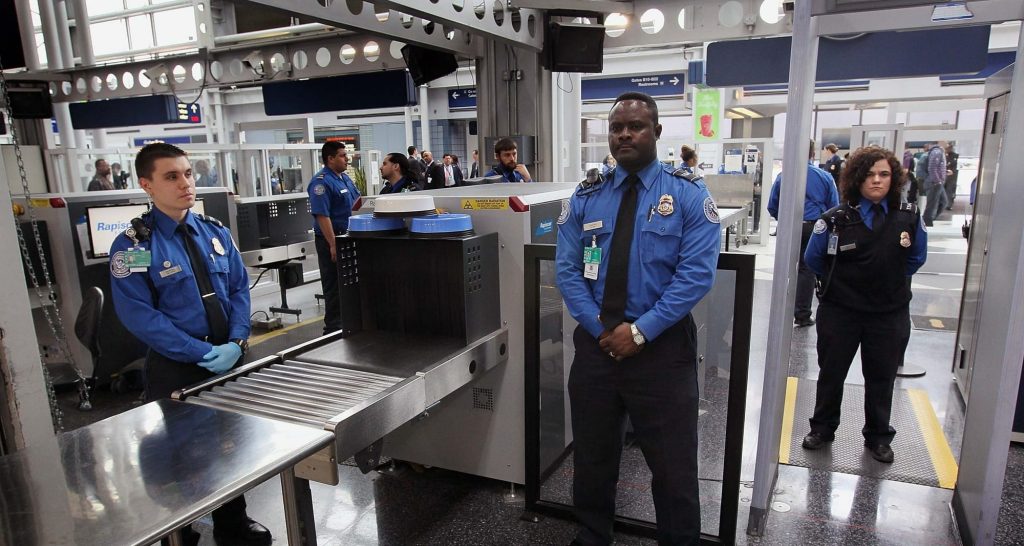

Powerful Airport Security Reform Reshapes Airports
In recent years, powerful airport security reforms have become a focal point of discussion, fundamentally reshaping the way travelers experience air travel. Following high-profile security incidents and evolving threats, airport authorities worldwide have implemented comprehensive changes designed to enhance safety while also improving passenger experience.
One of the most significant reforms has been the integration of advanced technology into screening processes. Biometric solutions, such as facial recognition and fingerprint scanning, are increasingly being used to streamline the check-in and boarding processes. These innovations not only help in efficiently verifying passenger identities but also reduce queues, making air travel less stressful. For instance, airports utilizing biometric systems report shorter wait times and a smoother flow of passengers through security checkpoints.
Moreover, the shift towards risk-based screening processes represents a transformative approach in airport security. Instead of a one-size-fits-all model, many airports are now adopting predictive analytics to identify higher-risk passengers while facilitating quicker passage for those deemed lower risk. This allows for a more tailored security experience and helps in allocating resources effectively. Enhanced screening for high-risk passengers can include more thorough inspections using advanced imaging technology, while low-risk travelers may benefit from expedited lines, enhancing overall efficiency.
Additionally, the collaboration between airports, airlines, and security agencies is more robust than ever. Shared intelligence and cooperative strategies have led to the development of comprehensive security programs that respond dynamically to emerging threats. For example, the establishment of international security standards means that passengers can expect a consistent level of screening regardless of their departure or arrival airport. This uniformity not only strengthens global security protocols but also fosters greater trust among travelers.
Reforms also extend to the design and layout of airport facilities. Modern airports are increasingly being built with security considerations in mind. Open-plan structures promote visibility and allow security personnel to monitor passenger flows more effectively. Enhanced signage and information systems provide clear guidance, helping travelers navigate through security without confusion.
Moreover, these reforms have sparked a renewed focus on customer service. Many airports now invest in staff training to ensure that security personnel are not only skilled in consultation and safety procedures but also in customer interaction. The objective is to create an environment where security is perceived as a cooperative effort rather than an intrusive necessity.
As airport security reforms continue to evolve, the industry is poised to benefit from enhanced safety, improved operational efficiency, and enriched passenger experiences. These changes are crucial for meeting the challenges of modern travel, ensuring that airports remain safe and welcoming spaces for millions of travelers globally.
For more details and the full reference, visit the source link below:
Read the complete article here: https://brusselsmorning.com/airport-security-reform-explained/85607/