
Delcy Rodríguez is one of the most influential political figures in Venezuela today, serving as the country’s Vice President and a prominent member of the ruling United Socialist Party of Venezuela (PSUV). Her ascent in the political landscape reflects not only her personal ambitions but also the broader dynamics of power within the country. Rodríguez’s career has been shaped by her close association with Nicolás Maduro, the controversial president who succeeded Hugo Chávez, and her role has been critical during turbulent periods for the Venezuelan government.
Born on December 15, 1969, in Caracas, Rodríguez graduated with a degree in Political Science from the Central University of Venezuela. Her initial foray into politics came through her work as an attorney and a staunch defender of Chávez’s Bolivarian Revolution, which aimed to transform Venezuela into a socialist state. Over the years, she held several key positions, including Minister of Foreign Affairs, where she became known for her vocal defense of the Maduro regime on international platforms, often tackling accusations of human rights abuses and economic mismanagement.
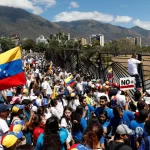
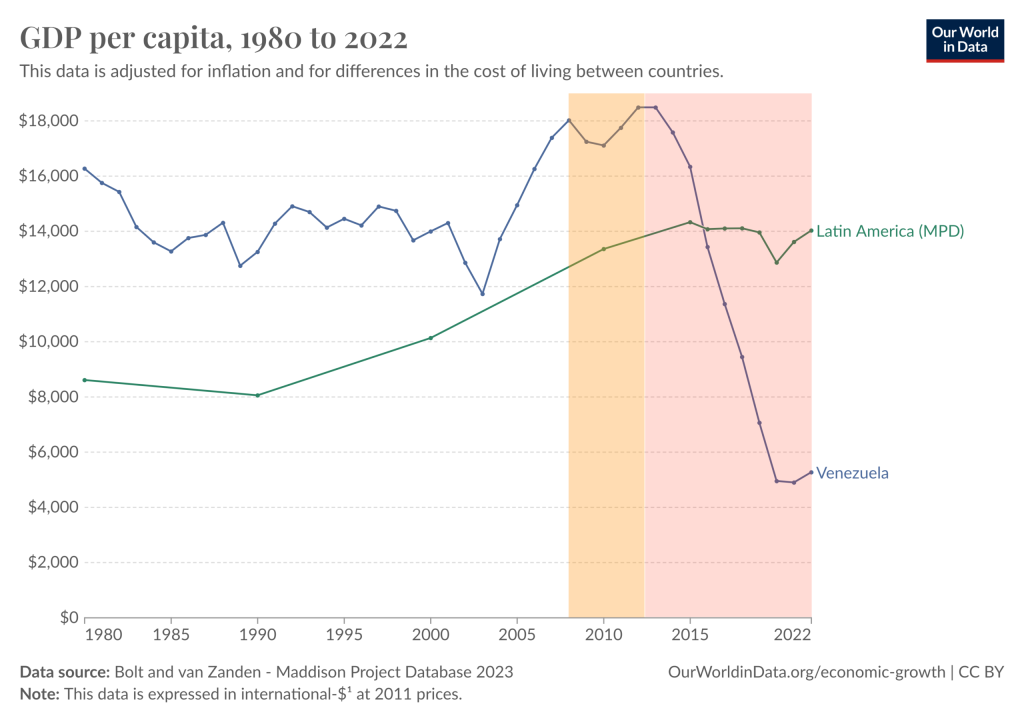
Rodríguez’s stewardship has placed her at the center of Venezuela’s political crises. The country has faced significant challenges, including hyperinflation, a humanitarian crisis, and international sanctions. Despite widespread criticism, Rodríguez has managed to project an image of resilience and commitment to “defending the fatherland,” often rallying support from both domestic and international allies. Her powerful oratory skills have made her an effective spokesperson, particularly when addressing the nation during crisis moments.
Her leadership style is characterized by a blend of assertiveness and loyalty to Maduro. Rodríguez is seen as a key strategist, working behind the scenes to consolidate power for the ruling party in a country where opposition leaders face unprecedented challenges and repression. Critics argue that her influence contributes to the regime’s authoritarian grip on power, where dissent is stifled, and political pluralism is under threat.
Under her guidance, the Venezuelan government has sought to implement social programs and bolster state control over key industries, particularly oil. However, the results have been mixed, with many citizens suffering from widespread scarcity and a lack of basic services. Despite these challenges, Rodríguez remains a key figure in Maduro’s inner circle, signifying a continuation of the Bolivarian policies that have defined Venezuelan governance since Chávez’s presidency.
As Venezuela navigates its complex political landscape, Delcy Rodríguez’s role will likely remain pivotal. Her ability to adapt to the shifting dynamics of power, both domestically and internationally, will shape the future of the nation and its efforts to overcome the myriad crises it currently faces. Whether she can effectively bridge the gap between governmental authority and public discontent remains a critical question for Venezuela’s political trajectory.
For more details and the full reference, visit the source link below:
Read the complete article here: https://brusselsmorning.com/delcy-rodriguez-leading-venezuela/88801/