
The history of U.S. regime change is a complex narrative shaped by geopolitical motives, ideological convictions, and economic interests. Rooted in the desire to expand democracy and combat communism during the Cold War, U.S. interventions have had lasting implications for global stability and international relations.
One of the earliest examples is the 1898 Spanish-American War, which resulted in the U.S. asserting influence in the Caribbean and the Pacific. By ousting Spain, the U.S. claimed territories such as Puerto Rico, Guam, and the Philippines, starting a pattern of interventionism. This was soon followed by the U.S. involvement in Central America, notably the overthrow of Guatemalan President Jacobo Árbenz in 1954. Árbenz’s agrarian reform policies and his perceived alignment with communism were viewed as threats to U.S. interests, leading the CIA to orchestrate a coup that established a military dictatorship. This intervention laid the foundation for decades of violence and instability in Guatemala.
The Cold War period saw increased U.S. involvement in numerous countries, driven by the fear of communism. The most notable case is Iran in 1953, where the CIA orchestrated Operation Ajax to depose Prime Minister Mohammad Mossadegh, who had nationalized the oil industry. The U.S. reinstated the Shah, whose authoritarian regime ultimately contributed to widespread discontent and the Islamic Revolution of 1979, resulting in anti-American sentiment that persists to this day.
In Latin America, the U.S. supported various authoritarian regimes, viewing them as bulwarks against communism. The overthrow of Chile’s democratically elected President Salvador Allende in 1973 led to years of dictatorship under General Augusto Pinochet, characterized by human rights violations and economic instability.
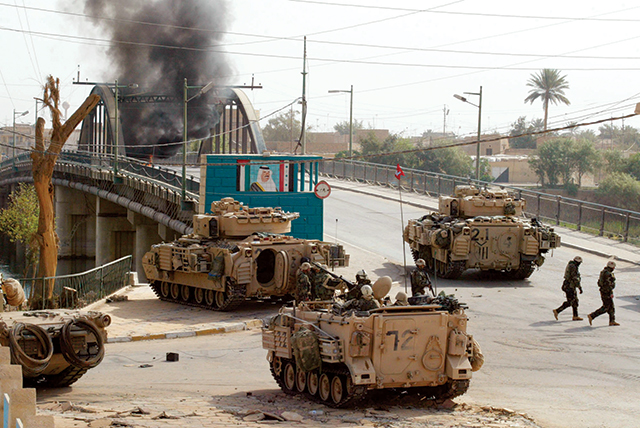
Post-9/11, U.S. regime change efforts evolved. The invasion of Afghanistan aimed to dismantle al-Qaeda and the Taliban, but it marked the beginning of a prolonged conflict with ambiguous outcomes. The 2003 invasion of Iraq, justified by the supposed existence of weapons of mass destruction, resulted in the toppling of Saddam Hussein. However, the aftermath ignited sectarian violence and led to the rise of extremist groups like ISIS, illustrating the unforeseen consequences of intervention.
The U.S. regime change narrative raises critical questions about sovereignty, morality, and the responsibility of powerful nations in foreign affairs. While advocates argue that these interventions promote democracy, the realities often depict a cycle of violence and instability. Understanding this history is crucial for assessing current U.S. foreign policy strategies and their implications for global governance.
For more details and the full reference, visit the source link below: