
Powerful Iran Military Capability Outlook 2026
As we look towards 2026, Iran’s military capabilities are expected to undergo significant advancements, reflecting both geopolitical aspirations and regional security dynamics. Iran’s military strategy has historically been shaped by its desire for self-sufficiency, defense against perceived threats, and the projection of power within the Middle East. The country’s military outlook for 2026 will likely be characterized by an increase in technological advancements, a growing focus on asymmetric warfare, and enhanced regional influence.
One of the central pillars of Iran’s military capability is its missile program. By 2026, Iran is projected to further develop its ballistic and cruise missiles, enhancing both their range and accuracy. This development not only serves as a deterrent against foreign adversaries, particularly the United States and Israel, but also aims to extend its influence across the region. These missile systems may also increasingly be complemented by emerging technologies, including precision-guided munitions and advanced targeting systems, allowing Iran to strike at strategic targets more effectively.
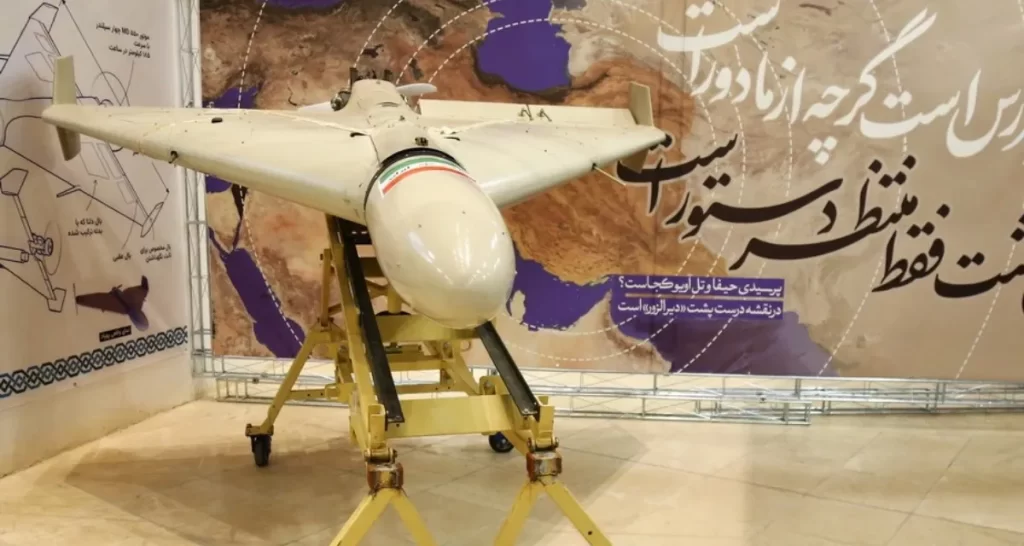
Moreover, Tehran’s investment in drone technology will likely play a pivotal role in its military capabilities. Iranian drones have already demonstrated their effectiveness in various regional conflicts, such as in Syria and Yemen. By 2026, Iran is expected to enhance its drone manufacturing capabilities, creating more sophisticated unmanned aerial vehicles (UAVs) that can conduct surveillance and combat missions. This would not only bolster Iran’s military arsenal but also incentivize asymmetric tactics that can offset conventional military disadvantages.
Additionally, Iran’s military strategy emphasizes the concept of asymmetric warfare, involving unconventional tactics like proxy warfare, cyber operations, and guerrilla tactics. By 2026, it is likely that Iran will continue to support proxy groups across the region, including Hezbollah in Lebanon and various factions in Iraq and Syria. These groups serve as force multipliers, allowing Iran to project power without directly engaging in conventional warfare.
Furthermore, the geopolitical landscape in 2026 will likely see Iran seeking to expand its alliances. Regional cooperation with countries like Russia and China could result in advanced military technologies being shared or sold to Iran, further enhancing its capabilities. Additionally, Iran might engage in joint military exercises, which could lead to a greater understanding and integration of military strategies between these nations.
In conclusion, Iran’s military outlook for 2026 suggests a proactive approach to enhancing its defensive and offensive capabilities. With an emphasis on advanced missile technology, drone warfare, and asymmetric strategies, Iran is expected to fortify its position in the region and adapt to the evolving security environment. As a result, the dynamics of Middle Eastern geopolitics could shift, necessitating a reevaluation of defense strategies among neighboring countries and global powers.
For more details and the full reference, visit the source link below:
Read the complete article here: https://brusselsmorning.com/iran-military-capability-2026/91050/