
In recent weeks, the pressure has intensified on Israel following its controversial decision to ban the entry of the United Nations Relief and Works Agency for Palestine Refugees in the Near East (UNRWA) from operating in Gaza. This move, justified by Israeli authorities on the grounds of alleged ties between UNRWA and militant factions, has sparked widespread condemnation from humanitarian organizations, foreign governments, and international agencies.
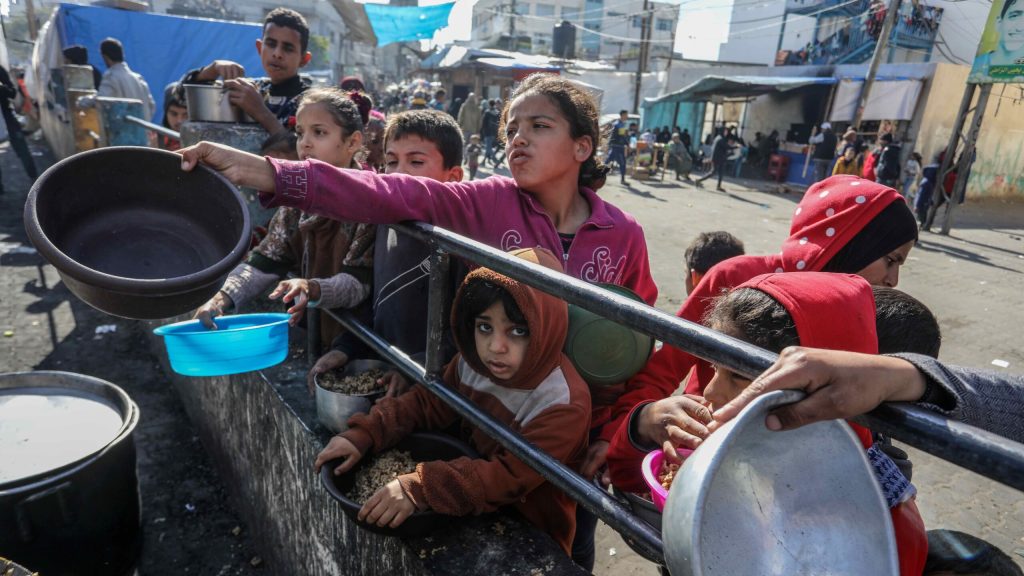
The humanitarian situation in Gaza is already dire, with over two million residents facing severe shortages of basic necessities such as food, clean water, and medical supplies. By prohibiting UNRWA—a key provider of aid, education, and healthcare services—the Israeli government risks exacerbating an already critical situation. The agency has been pivotal in offering support to Palestinian refugees since its establishment in 1949, and its absence could lead to further destabilization in the region.
International responses have been swift, with various countries and NGOs calling for the immediate reversal of the ban. The United Nations itself has expressed deep concern over the implications of such a decision on humanitarian operations. UN Secretary-General António Guterres has emphasized that aid should not be politicized, and access to humanitarian assistance is a fundamental right for all civilians, particularly in conflict zones.
Moreover, the ban adds fuel to ongoing debates about the Israeli-Palestinian conflict and the broader implications for peace efforts in the region. Critics argue that undermining UNRWA could be seen as a move to delegitimize the Palestinian refugee cause, further complicating prospects for a two-state solution. For many Palestinians, the agency represents not just a provider of services, but also a symbol of hope and identity.
Beyond the immediate humanitarian impacts, the ban has implications for Israel’s international standing. Human Rights Watch and other advocacy groups have warned that such actions could lead to greater scrutiny of Israel’s policies in the International Criminal Court (ICC) and beyond. As the international community rallies to support Palestinian rights, Israel risks alienating potential allies by appearing to disregard humanitarian needs.
In addition, public opinion in many countries is shifting, with grassroots movements advocating for Palestinian rights gaining momentum. The global response has been characterized by calls for solidarity and action against perceived injustices. As social media amplifies voices of dissent, Israel will face increased diplomatic challenges and scrutiny on the world stage.
In conclusion, the ban on UNRWA and the ensuing pressure on Israel reflects a complex interplay of humanitarian, political, and social dynamics. As the situation unfolds, the international community must navigate the delicate balance between supporting humanitarian efforts and addressing legitimate security concerns, all while striving for a just resolution to the longstanding Israeli-Palestinian conflict.
For more details and the full reference, visit the source link below: