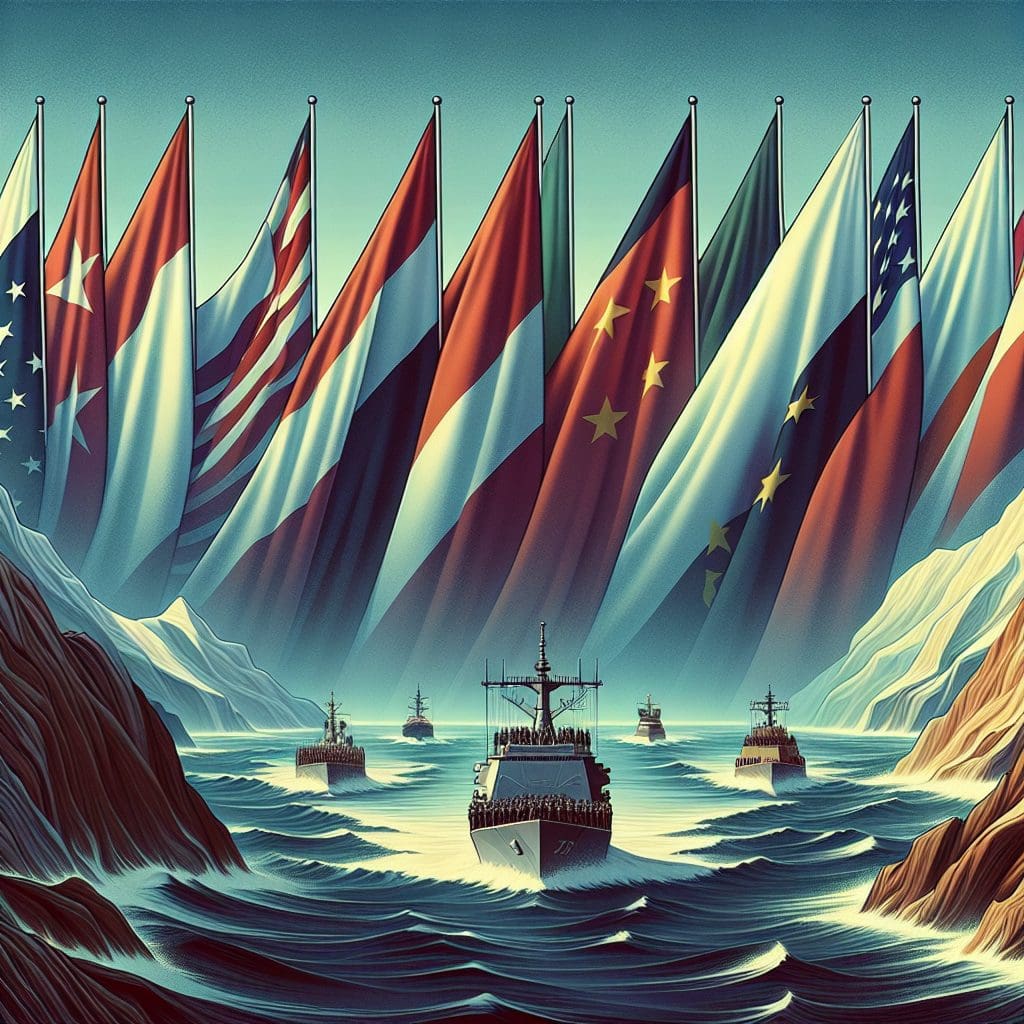

The Strait of Hormuz, a vital maritime chokepoint for global oil shipments, has been a focal point of geopolitical tensions, particularly concerning U.S. foreign policy and its allies. Amidst rising tensions, allies have exhibited hesitance in openly supporting Trump’s policies in the region, which can be attributed to several nuanced reasons.
First, the unpredictability of Trump’s approach to foreign policy has raised concerns among allies. His “America First” strategy often implied a reevaluation of long-standing alliances and commitments. Allies are wary that Trump’s actions could lead to unfavorable repercussions, destabilizing the region further. His abrupt decisions, such as withdrawing from the Iran nuclear deal, demonstrated a willingness to abandon established diplomatic frameworks, prompting allies to reconsider their support and involvement in the Strait of Hormuz.
Secondly, the allies’ priority of maintaining regional stability contrasts with Trump’s more aggressive stance toward Iran. Many Middle Eastern nations rely on stable relationships to ensure oil supply and regional security. Trump’s potentially escalatory approach can exacerbate tensions, alienating crucial partners that may see dialogue as a more effective means of containing Iranian influence. For instance, European allies’ preference for diplomacy reflects a desire to avoid military confrontation, fearing that supporting Trump could drag them into a protracted conflict.
Moreover, the potential economic implications play a critical role in allies’ hesitance. The Strait of Hormuz is responsible for a significant portion of the world’s oil supply, and any military escalation could disrupt shipping routes, leading to soaring oil prices and global economic instability. Allies, particularly those with heavy economic dependencies on oil imports, are likely to be cautious of Trump’s militaristic rhetoric. They may prioritize their own national interests, steering clear of actions that could jeopardize their economies.
Additionally, domestic political landscapes within allied nations also influence their stance. Leaders may face pressure from their constituents to pursue non-confrontational policies, particularly if public sentiment leans towards aversion to military engagements. A lack of strong domestic support for Trump’s policies can contribute to hesitation among allied nations, mirroring a broader wariness of getting embroiled in conflicts perceived as driven by U.S. interests rather than mutual benefits.
Finally, the dynamics of public opinion and international diplomacy cannot be ignored. Allies are acutely aware of their reputations on the world stage. Aligning too closely with Trump—whose controversial approach and rhetoric often attract criticism—could sully their own international standing, making countries more reluctant to explicitly endorse his policies in volatile regions like the Strait of Hormuz.
In conclusion, the hesitance of U.S. allies to support Trump in the Strait of Hormuz stems from concerns over unpredictability, a focus on regional stability, economic implications, domestic political pressures, and the broader international diplomatic landscape. These complexities underscore the intricate nature of geopolitical alliances and the cautious navigation required in times of heightened tensions.
For more details and the full reference, visit the source link below: