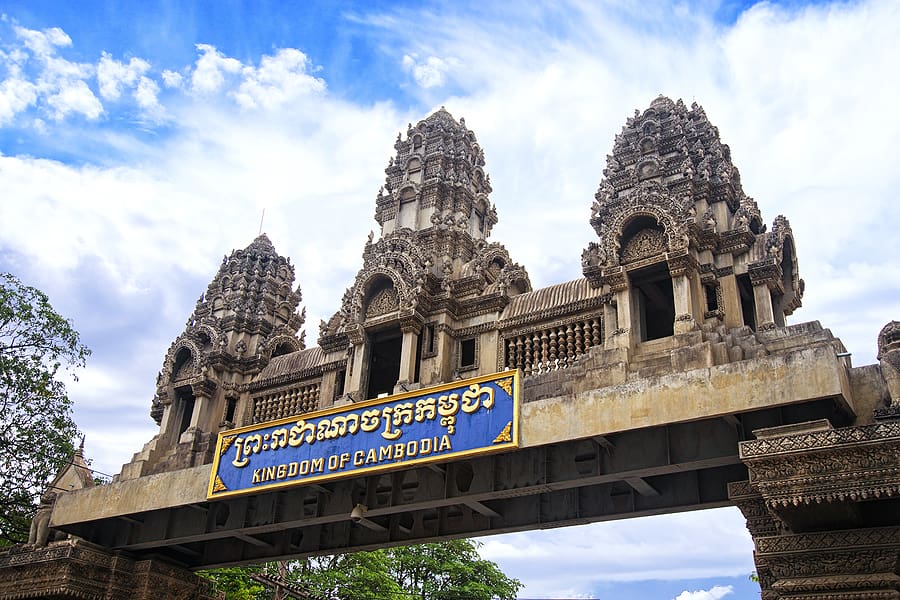

Rising Tensions on the Thailand–Cambodia Border
The border between Thailand and Cambodia has long been a focal point for historical and nationalistic disputes, and recent developments have escalated these tensions. Recent skirmishes along the border, particularly around the ancient Preah Vihear Temple, have rekindled long-standing rivalries. Conflicting claims over territorial rights and natural resources have continued to fuel animosities between these two Southeast Asian nations.
The nexus of the dispute can be traced back to the colonial era when borders were drawn without consideration for ethnic lines or historical claims. The Preah Vihear Temple, a UNESCO World Heritage site, is a prime example of this ambiguity. Following a ruling by the International Court of Justice (ICJ) in 1962 that awarded the temple to Cambodia, both countries have claimed surrounding areas, exacerbating tensions. The temple serves as a symbol for national pride, making the conflict even more sensitive.
In recent years, military forces from both sides have been deployed to the border area, sparking small clashes and standoffs. Civilians in nearby regions often find themselves caught between these nationalistic fervors. Local farmers have reported difficulties accessing their land due to military presence, further complicating living conditions for communities that depend on agriculture.
The political landscape in both countries also adds to the volatility of the situation. In Thailand, nationalistic sentiments can often rise quickly, especially during periods of political instability. Similarly, the Cambodian government has utilized the dispute to consolidate its political base by rallying citizens around a nationalist agenda. As both leaders seek to strengthen their political standing, the border conflict can become a convenient scapegoat for domestic frustrations.
Internationally, organizations such as ASEAN (Association of Southeast Asian Nations) have also prompted discussions aimed at alleviating tensions. However, progress has been slow, and both parties often view negotiations as a sign of weakness. This deadlock creates a cycle of suspicion and hostility that is difficult to break.
Moreover, the strategic importance of the region, with its rich natural resources, has attracted attention from broader geopolitical forces. China’s growing influence in Southeast Asia, particularly through investments aimed at infrastructure development, has added another layer to this complex situation. The involvement of external powers further complicates an already intricate regional dynamic.
Navigating the tension at the Thailand–Cambodia border calls for diplomatic engagement, dialogue, and a robust understanding of historical context. Only through cooperative frameworks can the two nations hope to transform the lines of conflict into avenues for partnership and mutual benefit, fostering a more peaceful coexistence for their peoples.
For more details and the full reference, visit the source link below: