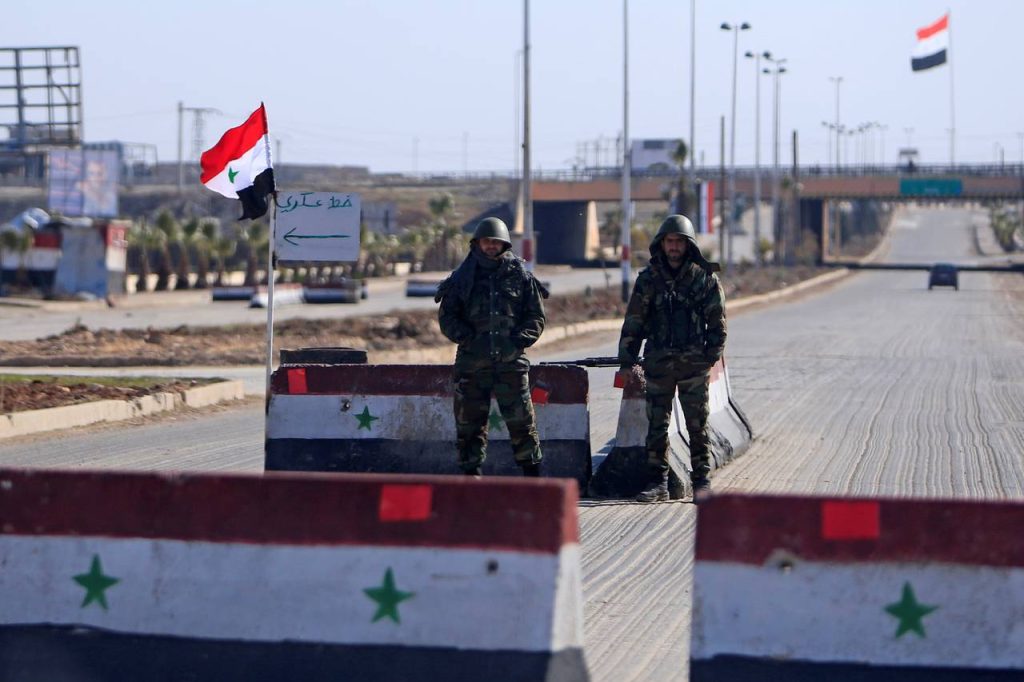

The recent clashes involving the Syrian Democratic Forces (SDF) mark a critical turning point in the ongoing turmoil of Northern Syria. The SDF, predominantly composed of Kurdish fighters backed by U.S. forces, has been a key player in the fight against ISIS, and their recent confrontations reveal not only the escalating tensions in the region but also the shifting dynamics amongst various factions vying for control.
Initially formed in 2015, the SDF has successfully managed to liberate significant territories from ISIS, creating a semi-autonomous administrative structure in Northern Syria. However, the recent onset of clashes highlights internal divisions, particularly with Arab groups that feel marginalized by the Kurdish-led governance. This has led to rising discontent and open conflict as various factions assert their claims over vital resources and political power.
Moreover, the geopolitical landscape complicates these internal struggles. Turkey views the SDF as an extension of the PKK (Kurdistan Workers’ Party), designated as a terrorist organization in Turkey, the U.S., and the EU. As a result, Turkey has previously launched military operations to push SDF forces away from its borders, creating a precarious balance in territorial control. This animosity has only intensified recently, prompting more significant aggression from both Turkish-backed Syrian opposition groups and the SDF.
The socio-economic backdrop also exacerbates the volatility in the region. Northern Syria is grappling with deteriorating living conditions, exacerbated by ongoing conflicts and the Syrian civil war’s protracted nature. A struggling economy fuels resentment among the populace, particularly among Arab communities who feel excluded from governance and economic opportunities afforded to Kurdish regions. This disenfranchisement has manifested in protests and violent confrontations, further complicating the peace efforts in the area.
Internationally, the SDF’s pattern of governance and military actions are under scrutiny. While they have been crucial allies in the fight against ISIS, the increasing tensions within their ranks and with neighboring powers may shift U.S. support. The potential for diminished backing could embolden opposition groups and compounding instability in a region already rife with conflict.
In conclusion, the recent clashes involving the SDF are emblematic of a critical shift in Northern Syria. With underlying political, ethnic, and economic grievances coming to the forefront, the volatile situation threatens not only the SDF’s authority but also the fragile peace in a region that has seen relentless discord. The outcome of these clashes could redefine alliances and governance structures throughout Northern Syria, making it imperative for all stakeholders to reevaluate their strategies moving forward.
For more details and the full reference, visit the source link below:
Read the complete article here: https://brusselsmorning.com/sdf-clashes-northern-syria/91911/