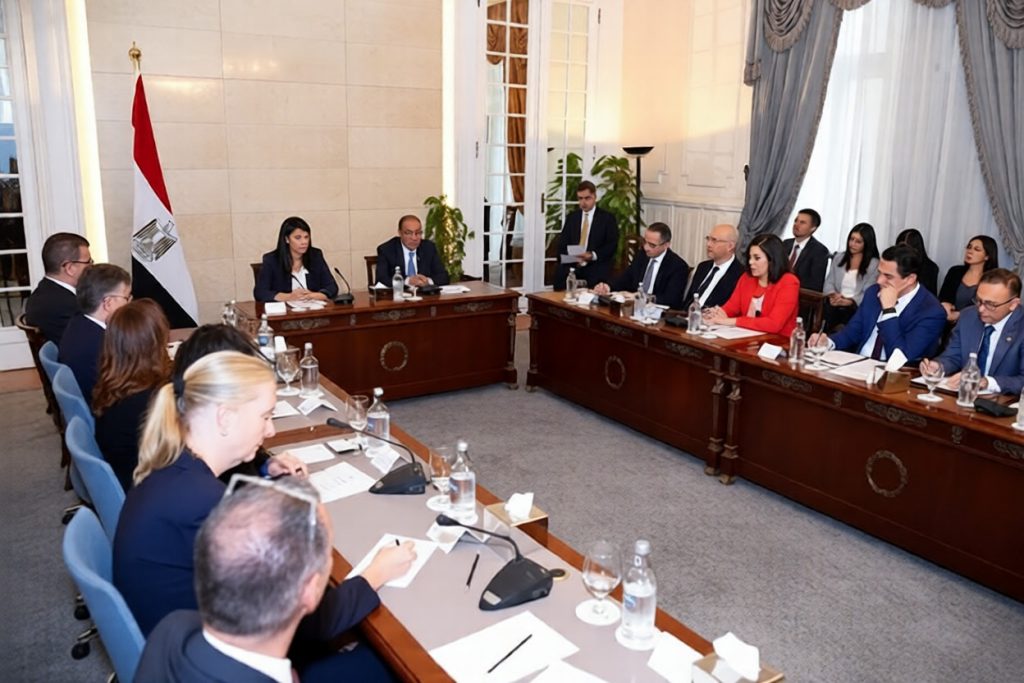

As the world watches the escalating tensions in Gaza, the second phase of ceasefire talks has commenced, seeking to bring about a much-needed peace amidst the turmoil. The initial ceasefire, though a temporary measure, highlighted the urgency of addressing the underlying issues that perpetuate the conflict. The escalation of violence has led to significant loss of life and exacerbated humanitarian crises, particularly affecting civilians.
The recent flare-ups stem from long-standing grievances and territorial disputes, complicated by political dynamics both within the region and globally. International mediators have taken on a crucial role in these negotiations, as the stakes have never been higher. The urgency is underscored by increasing civilian casualties and the displacement of thousands, which has drawn widespread condemnation and calls for action from humanitarian organizations.
During the first phase of the ceasefire talks, preliminary agreements were made regarding humanitarian aid and the cessation of hostilities. However, these measures were merely a stopgap, and the need for a more sustainable and comprehensive framework has become apparent. The second phase aims to address not only immediate concerns but also the broader political landscape that fuels the conflict.
Key players in this second round of discussions include representatives from Hamas, the Palestinian Authority, and Israeli officials, alongside international stakeholders like the United Nations and regional powers such as Egypt and Qatar. The involvement of multiple parties is essential, as any lasting peace will require buy-in from all significant actors in the region.
Amid these negotiations, tensions continue to rise. Reports of clashes on the ground and airstrikes create a precarious backdrop, complicating peace efforts. Civilian protests demanding both justice and security further highlight the population’s frustration with ongoing violence and instability. These dynamics place added pressure on negotiators to deliver substantive outcomes that can resonate with the affected communities.
As talks proceed, the focus must shift toward creating an environment conducive to lasting peace. Addressing core issues such as land rights, political recognition, and socioeconomic conditions will be vital to creating a framework that encourages cooperation rather than conflict.
The international community remains watchful, recognizing that while ceasefire agreements can halt immediate violence, true peace necessitates addressing the root causes of the conflict. As these talks unfold, the hope remains that a comprehensive agreement can emerge—one that not only silences the guns but also lays the groundwork for a sustainable and just resolution to a conflict that has plagued the region for decades.
For more details and the full reference, visit the source link below: