
Security Crackdown Deepens Crisis in Iran 2026
In 2026, Iran finds itself engulfed in an unprecedented crisis, intensified by a rigorous security crackdown from the government aimed at suppressing dissent and dissenters. The socio-political fabric of the country has been increasingly strained, as widespread discontent grows among the populace due to economic hardships, human rights violations, and a perceived lack of political freedoms.
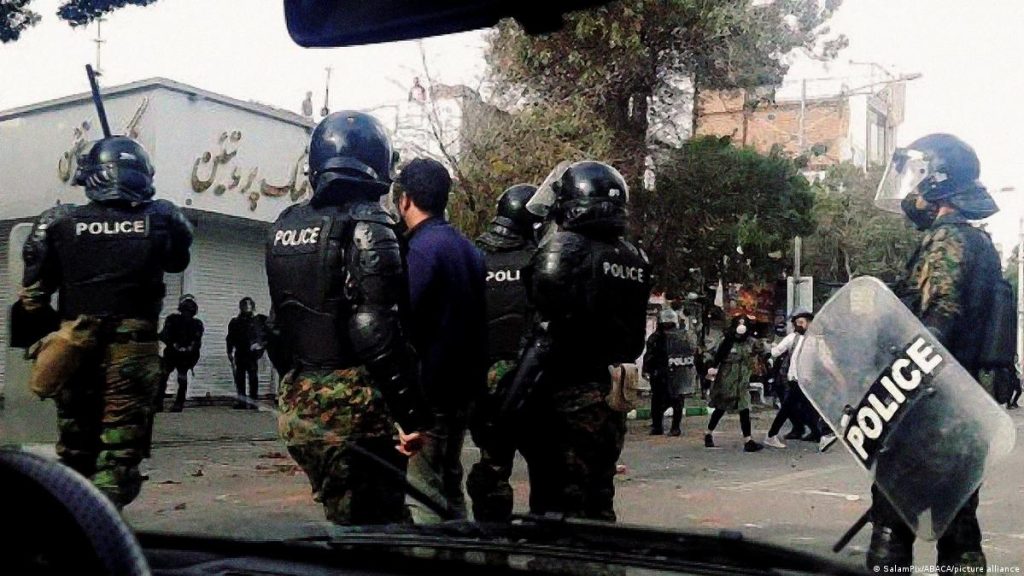
After years of mounting inflation, unemployment, and limited access to basic amenities, the Iranian public has become increasingly restless. The economic situation has forced many citizens to confront the stark realities of their lives, leading to protests that began as outcries for better living conditions. However, these protests quickly morphed into larger demonstrations against the ruling regime itself. The government, responding with an iron fist, has ramped up its security measures, deploying forces in cities across the nation. The atmosphere has become increasingly suffocating, as dissenting voices are met with violence, arrests, and, in some cases, disappearances.
Reports from human rights organizations indicate that the government’s crackdown has predominantly targeted activists, journalists, and any individuals believed to be inciting unrest. As the administration resorts to draconian measures, including internet blackouts, curfews, and increased surveillance, the basic rights of free expression and assembly have been severely curtailed. These oppressive tactics have only stoked the flames of discontent, pushing many Iranians into a state of despair and anger.
Internationally, the situation in Iran has drawn sharp criticism, with global human rights advocates calling for intervention and sanctions against the ruling regime. The Iranian economy, already reeling from years of U.S. sanctions and mismanagement, now faces the additional strain of isolating itself from the international community. The government’s heavy-handed tactics have led to a simultaneous rise in both domestic and international disapproval, driving Iran further into a corner.
The crisis deepens as the regime faces the paradox of needing to maintain order while losing the support of the very people it has sworn to protect. With the collapse of public faith in the government, the fear of a potential uprising looms large. In response, the regime’s narrative has shifted towards portraying itself as a stabilizing force in a “foreign-influenced” chaos. However, this narrative is increasingly falling on deaf ears as the realities of daily life weigh heavily on the minds of citizens.
As 2026 unfolds, the potential for widespread unrest remains high. The ramifications of this security crackdown are likely to resonate far into the future, contributing to a cycle of instability that could redefine Iran’s political landscape. The question now remains: can the regime sustain its grip on power amidst such profound public discontent, or will it ultimately lead to a reckoning long overdue?
For more details and the full reference, visit the source link below: