
In recent months, the region surrounding Bethlehem has witnessed a significant escalation in violence and unrest, leading to severe civilian property damage. This troubling trend is attributed to various factors, including heightened tensions between conflicting parties, military operations, and localized protests that have wrought havoc on neighborhoods and communities.
Bethlehem, a city of profound historical and cultural significance, sits within the West Bank and has been central to the Israeli-Palestinian conflict for decades. The recent clashes have seen tear gas, rubber bullets, and live ammunition used, particularly in areas close to checkpoints and flashpoints. As a result, civilian homes, businesses, and public properties have suffered extensive damage, with reports of shattered windows, destroyed infrastructure, and vehicles burnt or vandalized.
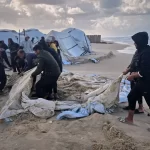
For families living in the vicinity, the impact has been devastating. Many residents have been forced to evacuate their homes, fearing for their safety as violence escalates. This displacement adds another layer to the ongoing humanitarian crisis, leaving families to grapple not only with the fear for their lives but also with the loss of their belongings and sense of security. Community centers, which often serve as vital hubs for social services, have also been caught in the fray, resulting in a disruption of essential services like education and healthcare.
Furthermore, the psychological toll on civilians cannot be ignored. Witnessing violence and destruction can lead to long-lasting trauma, especially among children. The fear of further attacks or unrest creates an environment of anxiety, impeding the community’s ability to recover and rebuild.
International human rights organizations have begun to take notice, calling for accountability and urging parties involved to prioritize civilian safety. The destruction of property has drawn condemnation, with many advocating for immediate humanitarian aid to the affected regions to address the pressing needs of those displaced or impacted by the violence.
As Bethlehem continues to navigate these tumultuous times, resilience among its residents remains palpable. Community leaders are working tirelessly to provide support and assistance to those impacted, emphasizing the importance of unity and solidarity in the face of adversity.
In summary, severe civilian property damage near Bethlehem reflects the broader complexities of the Israeli-Palestinian conflict. The road to recovery will be long and arduous, requiring both local and international efforts to address the root causes of the violence and the urgent needs of affected civilians.
For more details and the full reference, visit the source link below: