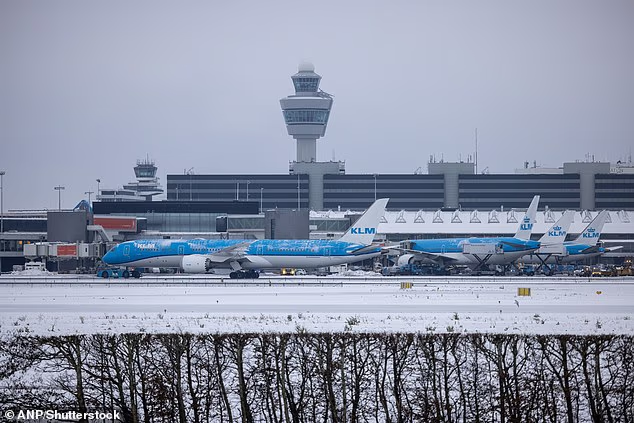

In early January 2026, Europe found itself grappling with one of the most severe winter storms in recent history, which brought travel to a standstill across multiple countries. A powerful low-pressure system swept through the continent, leading to heavy snowfall, ice storms, and biting cold temperatures. The impact was nothing short of catastrophic, affecting not only daily life but also the travel industry, which was unprepared for such a sudden and fierce assault of winter weather.
Airports across Europe faced widespread delays and cancellations, with some of the largest hubs like Heathrow and Frankfurt reporting that hundreds of flights were grounded. Thousands of travelers found themselves stranded, unable to reach their destinations or return home. Ground transportation was equally affected, as trains became immobilized due to heavy snow accumulation and dangerous road conditions. Major highways were closed, and many drivers faced perilous situations, leading to highway pile-ups and requiring emergency assistance.
The storm prompted governments to issue travel advisories and warnings, urging citizens to remain indoors wherever possible. As temperatures plummeted, local authorities scrambled to clear roads and ensure access to essential services. Even hospitals faced challenges, as emergency services were delayed in reaching patients. Small towns with limited resources were hit particularly hard, forcing communities to come together to support one another.
Amidst this chaos, the tourism industry buckled under the pressure. Ski resorts that had hoped for a profitable winter season found themselves inundated with tourists who couldn’t leave town. Hotels and restaurants, initially buoyed by snowfall enthusiasts, were soon dealing with cancellations and empty tables as people remained trapped due to the perilous conditions. The economic ramifications worldwide were staggering, compounded by a significant decline in travel bookings, as fears over safety led to widespread cancellations for future trips.
However, this crisis also highlighted the resilience and adaptability of the people affected. Communities organized to provide shelter for stranded travelers, offering warm meals and temporary accommodations. Social media became a lifeline for many as people shared real-time updates on conditions and resources. Additionally, the storm served as a wake-up call for the travel industry to improve contingency planning and crisis management strategies to mitigate the impacts of such extreme weather events in the future.
As Europe gradually recovered from the storm, the 2026 winter travel crisis became a stark reminder of the unpredictability of nature and its profound effects on daily life and global economies. The lessons learned would undoubtedly shape the future strategies of both governments and businesses in their efforts to prepare for and respond to similar events.
For more details and the full reference, visit the source link below:
Read the complete article here: https://brusselsmorning.com/winter-storm-europe-2026/89328/