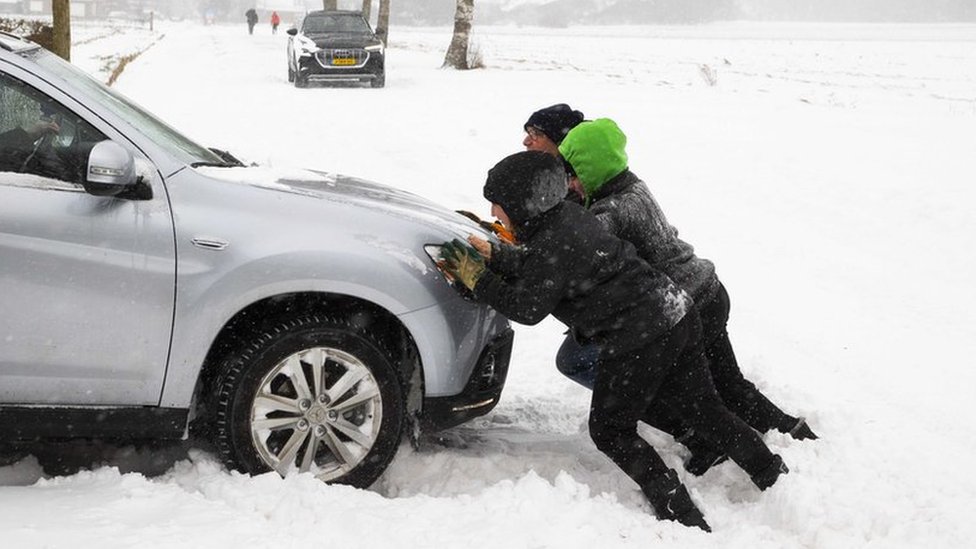

Severe Winter Storm in the Netherlands Disrupts Transport
The recent severe winter storm that swept through the Netherlands has brought significant disruption to transportation networks across the country. As heavy snowfall and strong winds associated with the storm blanketed many regions, residents found themselves grappling with hazardous conditions that affected roadways, rail services, and air travel.
As the storm began, meteorologists had issued early warnings about the potential for heavy snow and gusty winds, advising residents to stay indoors whenever possible. However, many commuters and travelers faced the brunt of the storm as they attempted to navigate their daily routines. Major highways were affected, with numerous accidents reported due to icy conditions, resulting in traffic jams and road closures. Travelers using private vehicles experienced prolonged delays, amplifying frustration and stressing the need for improved winter preparedness.
In urban areas, public transport services faced severe disruptions. Buses were unable to operate on many routes, either canceled or running with significant delays as crews struggled to clear the snow. Furthermore, tramlines in cities like Amsterdam and Rotterdam were also impacted, leaving many passengers stranded or forced to find alternative means of transport. The storm created a ripple effect, causing chaotic scenes at bus and train stations where people crowded in search of timely updates and options to complete their journeys.
The rail network, typically one of the most dependable means of transport in the Netherlands, faced substantial challenges. Train services were frequently delayed or canceled, with several lines shut down entirely. The national rail operator, NS, urged travelers to stay updated through their apps and social media channels, implementing contingency plans by deploying extra staff at major stations to assist stranded passengers. However, the unprecedented nature of the storm meant that even the best-laid plans struggled to cope with the immediate demands.
Air travel was equally affected as many flights were canceled or delayed, particularly at Schiphol Airport in Amsterdam, one of Europe’s busiest hubs. Passengers hoping to jet off on holiday or return home found themselves stuck amidst the chaos, prompting frustrations and long queues both at check-in counters and security checks. Airlines worked diligently to rebook flights and support travelers over the challenging weekend.
Amidst the disruptions, local authorities coordinated snow removal operations and provided assistance to vulnerable populations, particularly the elderly and those with disabilities. Shelters were established for those unable to reach their homes. The event served as a reminder of the need for robust emergency preparedness plans, given the Netherlands’ susceptibility to unpredictable winter weather patterns. As the snow begins to melt, the effects of the storm will likely linger, prompting discussions around improving infrastructure resilience to prepare for future severe weather events.
For more details and the full reference, visit the source link below:
Read the complete article here: https://brusselsmorning.com/winter-storm-netherlands/88963/