
Should LA’s Coast Become a National Park? A Call for Public Input
The coastline of Los Angeles, known for its stunning beaches and vibrant communities, is under consideration to become a national park. This proposal has sparked discussions among residents, environmentalists, and policymakers about the potential benefits and challenges. In this article, we’ll explore the reasons why making LA’s coast a national park could be a transformative step for the region while addressing concerns and gathering public input.
The Natural Wonders of LA’s Coast
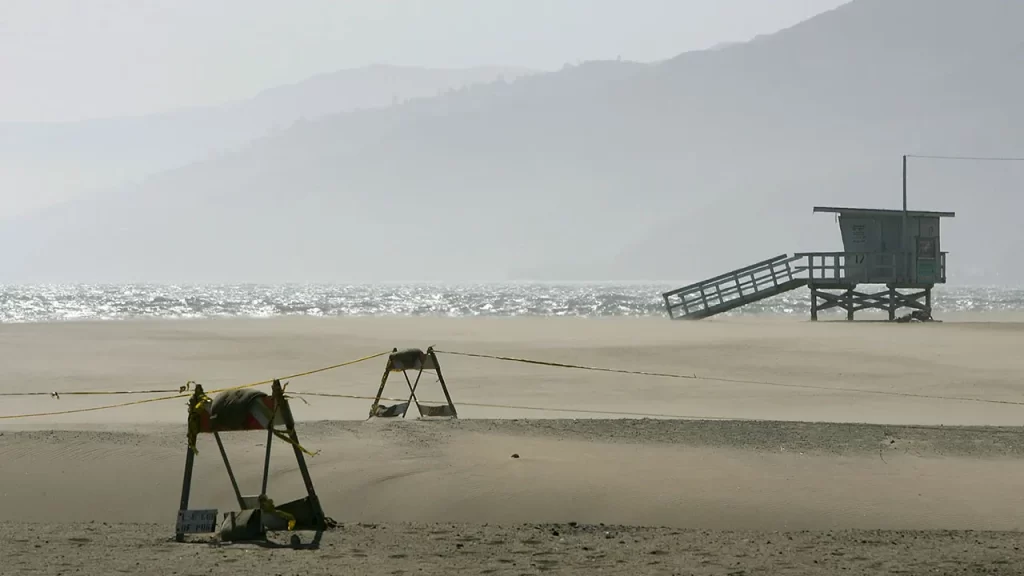
Los Angeles County boasts some of the most picturesque coastal landscapes in the United States. With over 70 miles of coastline that includes stunning beaches, wetlands, and critical habitats, the area supports diverse ecosystems. The Pacific Ocean serves as a backdrop to iconic sites such as Santa Monica Beach, Malibu, and the tide pools of Point Dume.
Benefits of Creating a National Park
1. Preservation of Biodiversity
One of the primary purposes of establishing a national park is to protect unique ecosystems. The LA coastline is home to various plants and animals, some of which are endangered. A national park designation would create a sanctuary for wildlife and combat the pressures of urban development.
2. Enhanced Recreational Opportunities
A national park would further enhance recreational activities, allowing residents and tourists alike to enjoy hiking, biking, and beach activities in a well-maintained environment. Improved access to nature has been linked to increased physical health and mental well-being.
3. Economic Benefits
Tourism is a significant economic driver in Los Angeles. With new visitors attracted to a national park, local businesses could see increased revenue. Parks often lead to job creation, from park staff to hospitality services, benefiting the community economically.
4. Education and Community Engagement
A national park designation would create opportunities for educational programs focusing on environmental conservation. Schools could collaborate with the National Park Service to engage students in outdoor learning, fostering a culture of stewardship among younger generations.
Addressing Environmental Challenges
1. Climate Change Adaptation
With climate change causing rising sea levels and increasing extreme weather events, creating a national park can help mitigate some of these effects. Protecting coastal wetlands can serve as a buffer against storm surges, promoting resilience against climate-related challenges.
2. Pollution Management
As part of the national park framework, there would be greater resources allocated for monitoring and managing pollution. Ocean health directly impacts the coastal ecosystem, and dedicated efforts could ensure cleaner beaches and improved marine habitats.
Community Concerns
1. Gentrification Risks
One significant concern among locals is the potential for gentrification. A national park might attract more affluent visitors and investors, potentially raising property values and displacing long-time residents. Community leaders must ensure that this transition does not compromise local livelihoods.
2. Access to Resources
Some residents worry about potential restrictions on activities, including fishing and beach access. Open lines of communication between the National Park Service and local communities are crucial in addressing these concerns and ensuring that voices are heard in the decision-making process.
3. Balancing Conservation and Recreation
Finding the right balance between conservation efforts and recreational activities can be challenging. Stakeholders must consider how to manage increased foot traffic while protecting fragile ecosystems.
Encouraging Public Input
Engaging the community in the discussion is vital to the success of any proposal for a national park. Public input can take many forms, including town hall meetings, surveys, and social media feedback. The National Park Service (NPS) should emphasize transparency and inclusivity during this process.
Open Forums and Educational Workshops
Hosting open forums where community members can express their thoughts and concerns allows for a more collaborative approach. Educational workshops can also provide residents with information about the benefits and responsibilities that come with national park status.
Utilizing Digital Platforms
With the rise of social media and digital communication, the NPS can tap into modern technology for outreach. Creating a dedicated website or social media page would enable ongoing dialogue, where residents can ask questions or share experiences regarding their local coast.
Conclusion: The Future of LA’s Coast
As the discussion surrounding the potential designation of LA’s coast as a national park unfolds, it is essential for community voices to be heard. From the preservation of biodiversity to potential economic benefits, the transformation of LA’s coastline into a national park presents unique opportunities. However, addressing community concerns and ensuring equitable access to resources must remain at the forefront of this initiative.
Every Los Angeles resident has a role to play in shaping the future of the coast they cherish. The proposal for a national park is not just a question of conservation; it’s about creating a shared vision for a sustainable and vibrant community that respects both nature and its inhabitants.
As public input is sought, let your voice be part of the conversation. Together, we can pave the way for a thriving future for LA’s coast, where natural beauty and community well-being coalesce harmoniously.