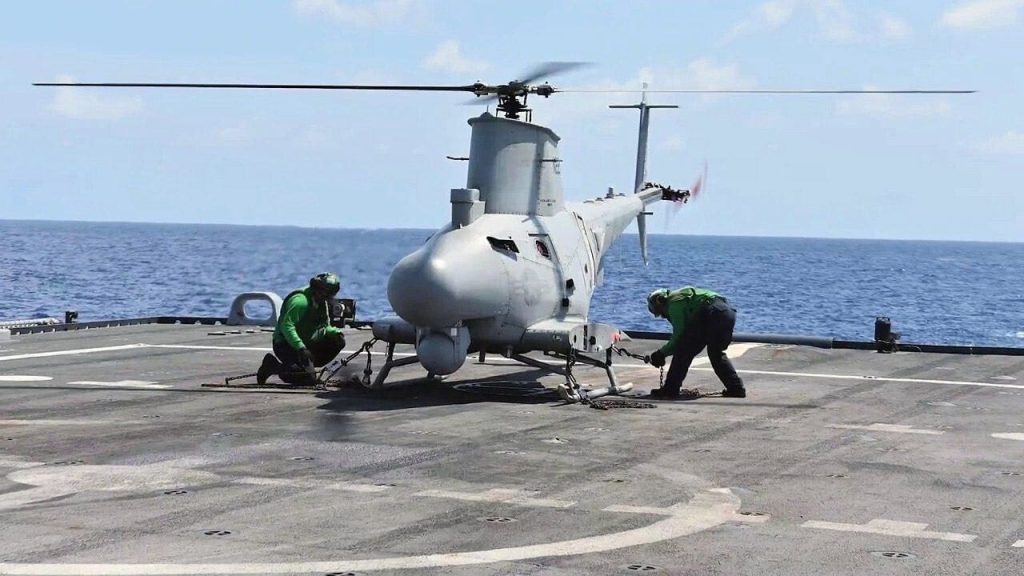

SOUTHCOM Launches First Autonomous Warfare Command in Latin America
Introduction
In a landmark move that redefines military strategy and technological integration, the United States Southern Command (SOUTHCOM) has officially launched the first autonomous warfare command in Latin America. This initiative underscores the critical need for advanced operational capabilities in an increasingly complex geopolitical landscape. Here, we explore the implications, capabilities, and strategic importance of this groundbreaking command.
The Strategic Importance of SOUTHCOM
Geopolitical Context
Latin America has long been a focal point for U.S. foreign policy, but recent developments in regional security have prompted innovative approaches. Challenges such as drug trafficking, terrorism, and cyber threats have necessitated a shift in how military operations are conducted in the region.
Evolving Threat Landscape
The rise of non-state actors and transnational criminal organizations poses unique challenges that require a multifaceted response. Traditional methods may no longer suffice, compelling SOUTHCOM to leverage technology for enhanced operational efficiency.
The Role of Autonomous Warfare
Defining Autonomous Warfare
Autonomous warfare refers to military operations conducted with minimal human intervention. This may include unmanned aerial vehicles (UAVs), robotics, and artificial intelligence (AI) systems designed to perform missions independently or with limited oversight. The introduction of autonomous warfare commands aims to optimize response times, improve situational awareness, and reduce human risk.
Key Technologies Implemented
SOUTHCOM’s commitment to autonomous warfare is evidenced through the deployment of several cutting-edge technologies:
-
Unmanned Aerial Systems (UAS): Capable of conducting surveillance and targeted strikes, UAVs enhance various operational capabilities without risking lives.
-
Robotic Ground Vehicles: These can be used for reconnaissance, logistics, and even combat roles, making them versatile in diverse scenarios.
-
AI-Powered Decision Support Systems: Utilizing AI to process vast amounts of data in real-time enhances decision-making capabilities and operational effectiveness.
Implications for Latin America
Enhancing Regional Security
The establishment of an autonomous warfare command aims not only to bolster U.S. military operations but also to improve regional security dynamics. By working in collaboration with local governments, this initiative hopes to address security issues head-on, contributing to the stabilization of vulnerable areas.
Addressing Humanitarian Needs
In addition to combat missions, autonomous systems can be employed in humanitarian efforts, such as disaster response and logistics. Their rapid deployment capability can be invaluable during natural disasters, providing assistance where human access may be limited.
Fostering International Partnerships
SOUTHCOM’s initiative aims to strengthen relationships with Latin American nations through joint exercises and training. This will not only enhance interoperability but also build trust and promote regional cooperation.
Challenges and Concerns
Ethical Considerations
The use of autonomous warfare raises significant ethical questions. The potential for unintended consequences, including civilian casualties, necessitates rigorous ethical and legal frameworks to govern their deployment.
Technological Vulnerabilities
As with any technological advancement, vulnerabilities persist. Cybersecurity is paramount; if adversaries can exploit weaknesses in autonomous systems, the risks could outweigh the benefits. Continuous investment in cybersecurity measures is critical.
Public Perception
The introduction of autonomous warfare commands may lead to public apprehension regarding militarization and the increased use of technology in conflict. Effective communication and transparency will be pivotal in addressing these concerns.
Future Prospects
Expanding the Autonomous Warfare Model
The success of SOUTHCOM’s autonomous warfare command in Latin America could pave the way for similar initiatives globally. As other regions face similar challenges, the model can be adapted to meet those unique needs.
Continued Innovation
Ongoing research and development in robotics and AI will likely lead to further advancements in autonomous warfare. The integration of machine learning could enhance decision-making processes, making operations even more effective.
A Shift in Military Culture
As the military embraces technological advancements, there will likely be a cultural shift in training and operations. Future military personnel must be equipped not only with traditional combat skills but also with technological literacy to operate and manage autonomous systems.
Conclusion
The launch of SOUTHCOM’s first autonomous warfare command in Latin America marks a significant step forward in military strategy, technology integration, and regional security dynamics. While challenges remain, the potential benefits of enhanced operational efficiency, rapid response capabilities, and collaborative security efforts can reshape the landscape in profound ways. As the command moves forward, its success will ultimately depend on addressing ethical considerations, ensuring technological security, and fostering partnerships that promote stability across the region. The future of warfare is here, and it is autonomous.