
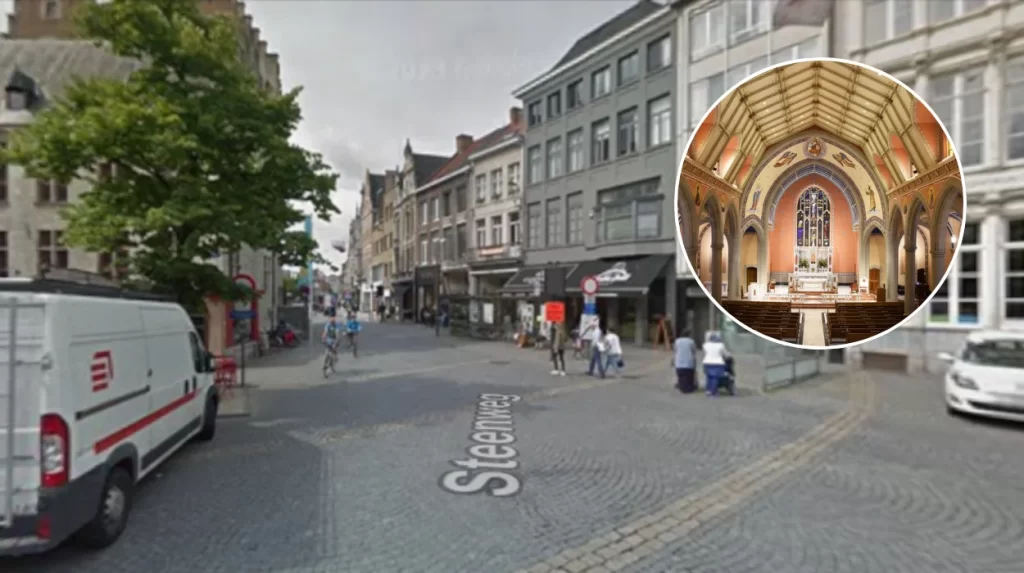

The St. Gummarus Church in Mechelen, Belgium, stands as a stunning example of cultural transformation in urban living. Once a solemn place of worship, the church has been reimagined into a thriving cohousing hub. This shift reflects not only a growing trend in sustainable living but also an innovative approach to community building in a modern context.
Originally constructed in the 19th century, St. Gummarus Church was historically significant, known for its beautiful architecture and rich community heritage. However, like many religious edifices in Europe, it faced declining congregational numbers over the years, calling into question its future use. Instead of letting the building fall into disrepair or being demolished, visionary leaders in Mechelen sought an alternative, sustainable purpose.
This transformation into a cohousing hub represents a vital adaptation to changing societal needs. Cohousing encourages collaborative living arrangements, where residents prioritize shared spaces and communal activities while maintaining their private homes. By converting the church, the community preserves its historical significance while fostering a new, inclusive lifestyle.
The interior of the St. Gummarus Church has been innovatively redesigned to accommodate living spaces while retaining its sacred atmosphere. The nave has been repurposed into communal areas such as a shared kitchen, dining room, and common rooms for gatherings. Residents can enjoy the unique ambiance of high ceilings and stained glass while engaging in workshops, social events, or simply relaxing among neighbors.
Cohousing at St. Gummarus is not merely about shared facilities; it embraces the ethos of cooperation and communal responsibility. Residents are encouraged to participate in decision-making processes and contribute to maintaining the hub, promoting a sense of ownership and belonging. This model inherently addresses issues of loneliness and isolation, which are increasingly common in urban life.
Moreover, the initiative aligns with eco-friendly practices. The church’s conversion incorporates green building practices, efficient energy systems, and communal gardens, further enhancing residents’ commitment to sustainability. This approach considers the environment and creates a self-sufficient community that can thrive within the unique architectural framework of the church.
St. Gummarus’s transformation into a cohousing hub in Mechelen is a remarkable case showcasing how historical sites can adapt to contemporary needs. It illustrates the potential synergy between preserving cultural heritage and fostering modern, communal living, thus setting a precedent for similar projects worldwide. As urban centers continue to evolve, such innovative solutions will likely play a crucial role in shaping the future of community living.
For more details and the full reference, visit the source link below:


