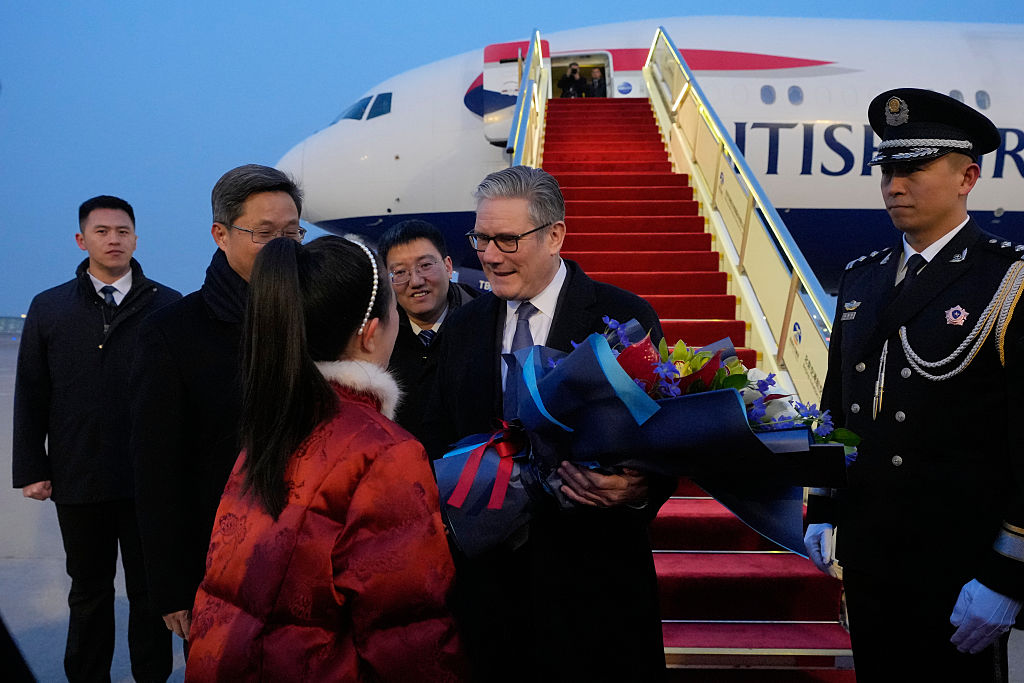

In 2026, Sir Keir Starmer’s visit to China sent shockwaves across international political circles, prompting a reevaluation of UK-China relations. His trip, characterized by bold signals from Beijing, underscored the complexities of diplomacy amidst a rapidly changing global landscape. The visit was marked by high-level discussions aimed at re-establishing dialogue between the two nations, which had been strained over trade disputes, human rights issues, and geopolitical tensions.
Upon arrival in Beijing, Starmer and his delegation were welcomed with impressive formalities, emphasizing China’s desire to strengthen ties with the UK. This reception marked a significant shift in Beijing’s approach, suggesting a willingness to engage constructively with international partners. In a series of meetings with key Chinese officials, including President Xi Jinping, Starmer articulated the UK’s commitment to addressing global challenges collaboratively, notably climate change, trade, and security.
One of the most striking aspects of Starmer’s visit was the emphasis on economic cooperation. As both countries navigate the complexities of a post-pandemic world, mutual interests in trade and investment emerged as focal points of discussion. Starmer’s proposals for increased trade flows and joint ventures signaled a potential thaw in relations, highlighting the UK’s desire to balance economic pragmatism with ethical considerations.
During the visit, Beijing also presented bold initiatives aimed at addressing Western concerns. China’s reaffirmation of its commitment to climate agreements and readiness to engage in dialogue regarding human rights issues signaled a nuanced shift in strategy. Starmer’s engagement with these topics demonstrated the UK’s willingness to hold China accountable while seeking common ground. This delicate balancing act reflected a broader trend in international relations, where countries increasingly seek to navigate conflicting interests in a multipolar world.
The visit was not without its critics. Some commentators argued that Starmer’s overtures risked compromising the UK’s stance on human rights, especially regarding issues in Hong Kong and Xinjiang. However, supporters contended that dialogue is essential for fostering change and that engagement, rather than isolation, is a more effective approach to influence.
In conclusion, Starmer’s visit to China in 2026 served as a pivotal moment in UK-China relations, signaling a potential shift toward renewed cooperation amid global challenges. The bold signals from Beijing, coupled with Starmer’s diplomatic strategy, highlighted the importance of dialogue in navigating a complex geopolitical landscape. As both nations look to the future, the developments from this visit may pave the way for a more pragmatic and constructive relationship, balancing economic interests with ethical imperatives.
For more details and the full reference, visit the source link below: