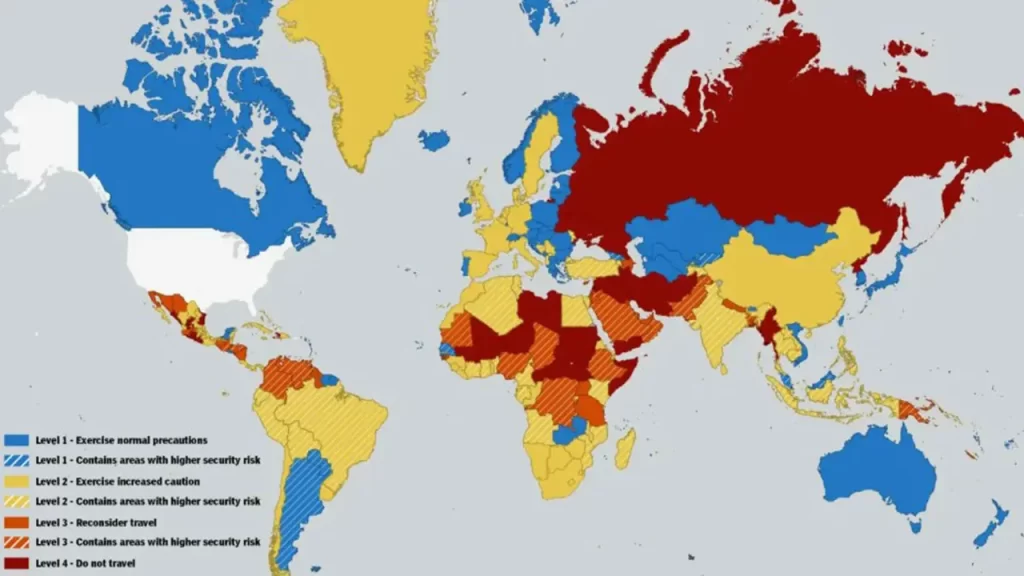

The State Department Map: Identifying the World’s Most Dangerous Countries
In an increasingly interconnected world, understanding global safety is vital for travelers, expatriates, and even businesses. The U.S. Department of State has developed a comprehensive travel advisory system, including a well-documented map that highlights the world’s most dangerous countries. This article delves into the significance of this resource, how to interpret the information it provides, and an overview of some of the countries that appear on the list.
Understanding the Travel Advisory System
The Travel Advisory Levels
The State Department assigns each country a travel advisory level, ranging from Level 1 (Exercise Normal Precautions) to Level 4 (Do Not Travel). These classifications are based on various factors including crime rates, civil unrest, health risks, and natural disasters.
- Level 1: Exercise Normal Precautions
- Level 2: Exercise Increased Caution
- Level 3: Reconsider Travel
- Level 4: Do Not Travel
By adhering to these guidelines, travelers can make informed decisions, ensuring their safety and well-being while abroad.
How the Map is Created
The State Department’s map is regularly updated based on intelligence reports, on-the-ground assessments, and consultations with foreign governments. This dynamic nature allows it to reflect real-time conditions within various locales, making it an essential tool for safety-conscious individuals.
Why Use the State Department Map?
Importance for Travelers
For prospective travelers, understanding which countries are deemed dangerous can shape travel itineraries and help with planning. Countries with higher advisory levels often present increased risks related to personal safety, travel disruptions, or even health crises.
Essential for Expatriates
Individuals planning to move abroad for work or other reasons can greatly benefit from the insights provided by the map. Awareness of the local conditions can help expatriates prepare better and mitigate risks.
Impact on Businesses
For businesses considering expansion into international markets, the State Department map serves as a vital resource in assessing economic environments and potential risks. It can inform decisions ranging from marketing strategies to security measures.
The Current Landscape: Most Dangerous Countries
1. Afghanistan
Rated as one of the highest-risk locations, the U.S. Department of State has classified Afghanistan with a Level 4 advisory. The ongoing conflict, political instability, and terrorist activities significantly affect safety. Travel is strictly discouraged due to these persistent dangers.
2. Syria
Syria’s prolonged civil war has led to catastrophic infrastructure collapse and rampant violence, making it a quintessential example of a high-risk country. The Level 4 advisory stems from threats including bombings, violence, and kidnappings.
3. South Sudan
As one of the world’s youngest nations, South Sudan grapples with internal conflicts and humanitarian crises. The State Department’s Level 4 rating reflects the ongoing armed conflicts, high crime rates, and lack of adequate health services.
4. Iraq
Iraq has faced significant turmoil over the past decades.Although there are areas that have stabilized, high levels of violence and extremism in several regions warrant a Level 4 advisory from the State Department.
5. Yemen
Yemen’s dire humanitarian crisis and ongoing conflict make it exceedingly dangerous for travelers and expatriates alike. The State Department strongly advises against travel due to risks related to bombings, civil unrest, and severe shortages in food and medical supplies.
6. Venezuela
With skyrocketing crime rates and political instability, Venezuela has earned significant concern from foreign governments. The Level 4 advisory points to ongoing protests and widespread shortages of essential goods, making it a high-risk destination.
Safety Tips for Traveling to High-Risk Countries
Research and Stay Informed
Before traveling, it’s crucial to stay updated on current events in the destination country. The State Department often releases specific alerts and recommendations tailored to changing conditions.
Register Your Travel
Utilizing the Smart Traveler Enrollment Program (STEP) can alert you to safety measures and provide critical updates while traveling abroad.
Health Precautions
In high-risk countries, health concerns can be heightened. Ensure vaccinations are up-to-date, and consider packing a first aid kit, along with any necessary medications.
Local Contacts
Having local contacts familiar with the region can provide invaluable assistance should an emergency arise. Whether it’s a resident or a reputable guide, local knowledge can enhance safety.
Conclusion
Navigating the complexities of international travel requires vigilance, especially when dealing with countries designated as dangerous by the U.S. State Department. Monitoring the State Department map offers critical insights that can shape travel plans and preparations. Being informed about risks associated with certain countries is not merely a precaution—it’s a necessity in today’s unpredictably volatile world. By staying educated and prepared, travelers can make informed choices that prioritize their safety while exploring the globe.
For anyone planning on traveling abroad or working internationally, the State Department map serves as a vital resource, guiding decisions and ensuring that safety remains at the forefront of travel experiences. Always remember to respect the advice given, and prioritize your well-being in all your global ventures.