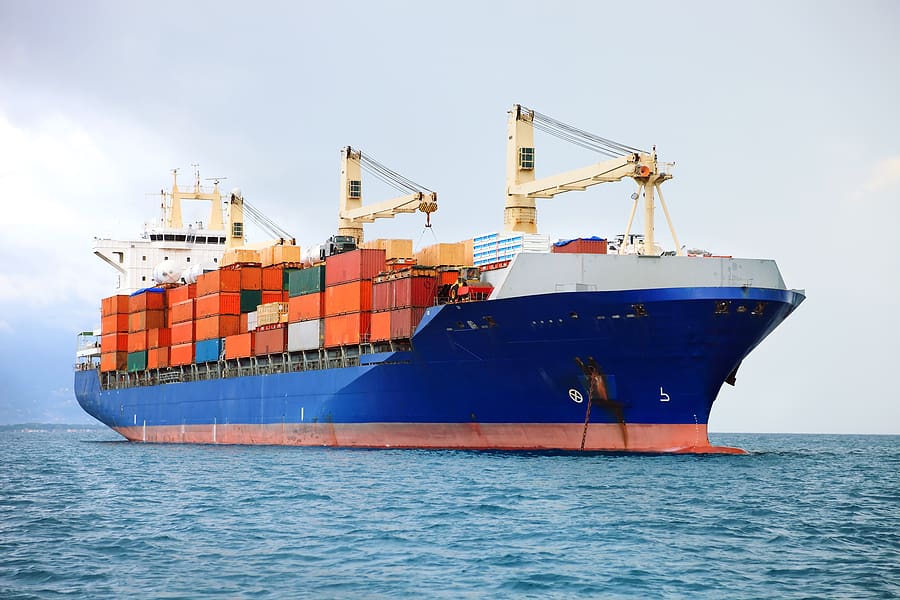

The Strait of Hormuz, a narrow passage crucial for global oil transportation, has become increasingly volatile, heightening military tensions in the region. Approximately 20% of the world’s oil passes through this vital waterway, making stability in this area essential to avoid global economic repercussions. The escalated hostilities reflect a complex web of geopolitical rivalries, notably between Iran and its neighboring countries, as well as Western powers.
In recent months, incidents involving naval confrontations, drone strikes, and sabotage of oil tankers have raised alarms about the security of maritime routes. Iran has threatened to block the Strait as a means of asserting its influence and responding to what it perceives as external pressures. In turn, the United States and its allies have ramped up military presence in the region to safeguard shipping lanes and deter Iranian aggression. This has led to a precarious situation where miscalculations or unintended interactions could easily spiral into broader conflict.
The ramifications of a crisis in the Strait of Hormuz extend far beyond the immediate region. A significant disruption in oil supply could send shockwaves through global markets, driving up prices and destabilizing economies that are heavily reliant on energy imports. For instance, countries in Europe, Asia, and beyond could face considerable economic strain, especially if tensions escalate to a point where shipping through the Strait is halted. The resultant oil price surge could trigger inflation, affecting consumer prices and economic growth.
Moreover, the crisis has highlighted the fragility of alliances in the region. Countries dependent on oil exports may favor a diplomatic approach to avoid conflict, while other nations may view military action as a strategic necessity. The intricate balance of power involves not just Iran and the U.S., but also regional players like Saudi Arabia and the United Arab Emirates, which have their interests in countering Iranian influence.
As military drills and strategic maneuvers increase, the international community watches closely. The United Nations and various diplomatic channels are under pressure to mediate tensions and encourage dialogue. However, the deep-rooted grievances and complexities of national interests make finding common ground challenging.
In conclusion, the ongoing crisis at the Strait of Hormuz serves as a stark reminder of how regional conflicts can have global implications. As military tensions heighten, the world’s energy supply hangs in the balance, urging stakeholders to seek peaceful resolutions to avert economic fallout and promote stability in one of the world’s most crucial maritime corridors.
For more details and the full reference, visit the source link below: