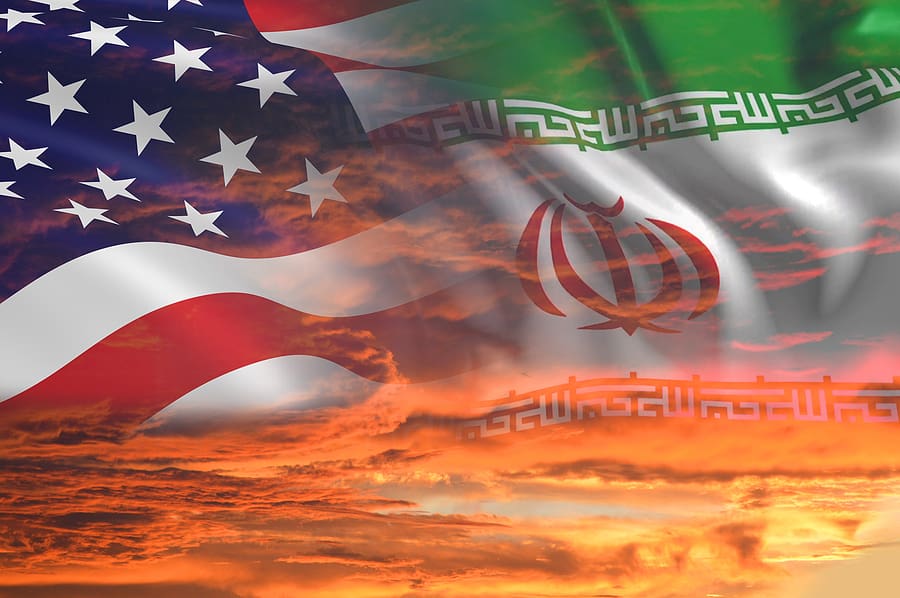

The Strait of Hormuz, a narrow waterway critical for global oil transportation, has reopened following a period marked by heightened tensions between Iran and various international stakeholders. This vital strait, which connects the Persian Gulf to the Arabian Sea, is a strategic corridor through which approximately 20% of the world’s crude oil passes. The recent de-escalation of conflict in the region has been welcomed by global markets, with oil prices stabilizing after weeks of volatility fueled by fears of military confrontation.
The tension escalated due to a series of confrontational actions, including naval confrontations, the seizure of vessels, and provocative military exercises. The international community, especially oil-importing nations, expressed grave concerns over the security of maritime navigation in the Strait. Diplomatic efforts intensified among nations seeking to mediate the situation, with the aim of reducing hostilities and ensuring the safe passage of vessels.
Signs of de-escalation emerged as both Iranian authorities and international players engaged in dialogue aimed at restoring stability. Recent negotiations facilitated by intermediaries resulted in several key agreements designed to promote regional security and prevent misunderstandings that could lead to military incidents. Iranians reiterated their commitment to safeguarding maritime security while also ensuring their rights to operate within their territorial waters.
The reopening of the Strait of Hormuz signifies more than just a return to logistical normalcy; it represents a fragile but crucial step towards broader peace in a region that has often been marred by conflict and instability. Diplomatic channels remain open, signaling that stakeholders are willing to engage in constructive dialogue rather than resorting to aggression. This cautious optimism is bolstered by the acknowledgment that any disruption in the Strait’s operations could have far-reaching implications for global energy supplies and economic stability.
The situation remains delicate, with underlying tensions still simmering beneath the surface. The changes in maritime security protocols and increased naval presence by international forces aim to deter further provocations while encouraging compliance among vessels navigating this essential route. With this newfound cooperation, there is hope for a more stable maritime climate in the Strait, allowing trade to flourish and facilitating economic recovery in the region.
In conclusion, the reopening of the Strait of Hormuz amidst signs of de-escalation in the Iran conflict is a significant development with positive implications for global energy markets and regional security. Nonetheless, the path forward requires careful navigation through ongoing geopolitical complexities, urging all parties to prioritize dialogue over hostilities.
For more details and the full reference, visit the source link below:
Read the complete article here: https://www.stl.news/strait-of-hormuz-reopens-iran-conflict/