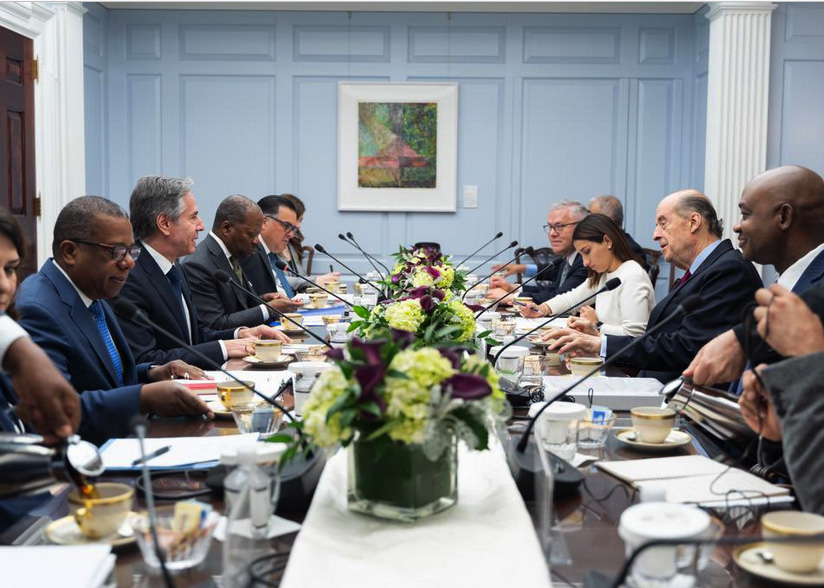

As we look ahead to 2026, the relationship between the United States and Colombia stands as a cornerstone of both countries’ strategies in the Western Hemisphere. Historically rooted in shared values of democracy and economic opportunity, the partnership has evolved, adapting to contemporary challenges such as drug trafficking, climate change, and regional security threats. This evolving relationship is crucial for shaping policies that not only benefit the two nations but also contribute to broader regional stability.
By 2026, the strong ties between the U.S. and Colombia are expected to further influence immigration policy and bilateral trade agreements. The Colombian government has made strides toward addressing the root causes of migration, promoting economic development in rural areas, and improving security. Concurrently, the U.S. continues to provide support through initiatives focused on economic investment, education, and community development. This collaborative approach aims to reduce the pressures of forced migration while reinforcing the importance of lawful pathways for those seeking better opportunities.
Climate change is another critical arena where U.S.-Colombian relations are expected to take a significant leap forward by 2026. Both nations recognize the necessity of sustainable environmental policies and their impact on future generations. Collaborative efforts in this area could lead to innovative solutions that not only address local environmental issues in Colombia but also serve as models for other Latin American countries. U.S. assistance in areas like renewable energy, conservation, and climate resilience is likely to strengthen the bilateral agenda, enhancing Colombia’s capacity to manage its rich biodiversity and combat the adverse impacts of climate change.
Furthermore, security cooperation remains a top priority, especially in the face of transnational crime and the defiance of organized criminal groups. By 2026, the U.S. may expand its security training programs and intelligence-sharing initiatives, reinforcing Colombia’s ability to combat these threats effectively. Innovations in technology and law enforcement training will play a vital role in modernizing Colombian institutions, fostering a more secure environment that also encourages foreign investment.
Culturally, the bilateral relationship has blossomed through people-to-people exchanges, fostering a deeper understanding and appreciation between citizens of both nations. Educational programs and scholarships continue to strengthen academic ties, creating networks that promote mutual respect and collaboration.
In summary, the relationship between the U.S. and Colombia is poised to significantly shape policy in 2026 through collaborative efforts in economic development, environmental sustainability, and security cooperation. As both nations work to address common challenges, their partnership not only fortifies their own interests but also serves as a beacon of hope for regional stability and prosperity.
For more details and the full reference, visit the source link below:
Read the complete article here: https://brusselsmorning.com/us-colombia-relations/89160/