
Technology is Helping Restaurants Increase Margins
In today’s fast-paced digital landscape, restaurants are leveraging advanced technologies not just to enhance customer experience but also to significantly improve their profit margins. From point-of-sale systems to inventory management software, technological innovations are reshaping the dining scene.
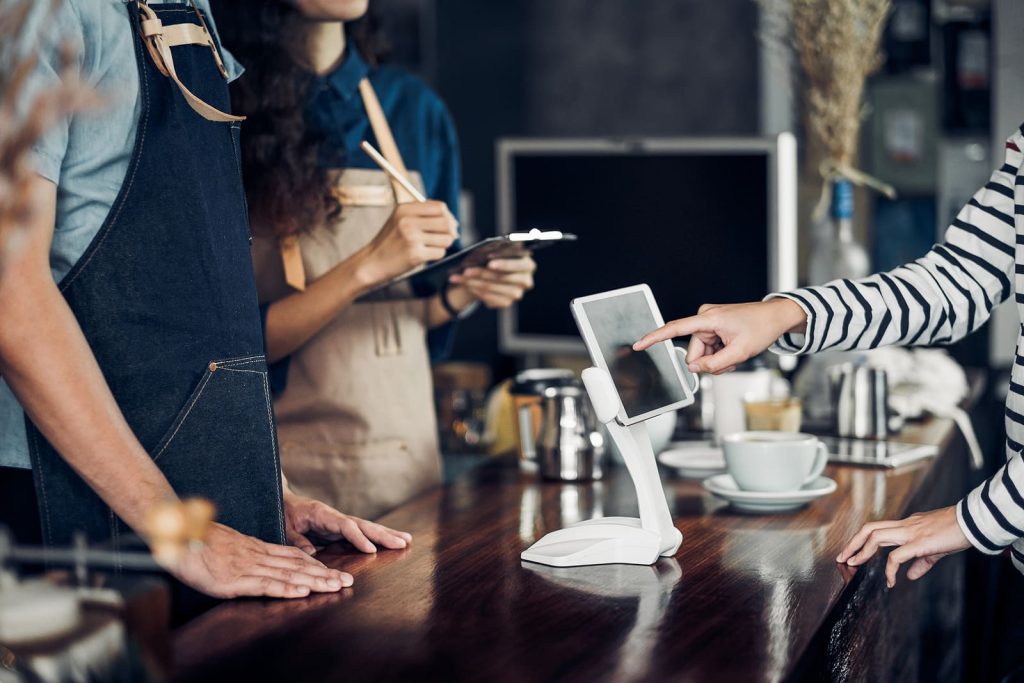
One of the most impactful advancements is the adoption of smart point-of-sale (POS) systems. Modern POS systems streamline operations by integrating sales reporting, inventory tracking, and customer relationship management into one platform. This holistic view allows restaurant managers to analyze customer preferences and sales trends, enabling them to make informed decisions on menu design and pricing strategies. By identifying high-margin items, restaurants can focus on promoting dishes that optimize profitability.
Moreover, inventory management has transformed dramatically. Traditional inventory practices are often time-consuming and prone to error, leading to overstocking or spoilage. However, with smart inventory management systems, restaurants can track stock levels in real time, automatically reorder supplies, and even predict future needs based on historical data. This not only minimizes waste but also ensures that restaurants maintain the right stock levels to meet customer demand, thus improving both efficiency and margins.
Online ordering and delivery platforms have also become crucial for restaurants. With the rise of services like UberEats and DoorDash, many establishments have expanded their customer bases beyond the physical confines of their locations. This convenience has led to an increase in sales, as customers are often willing to spend a little more for home delivery. Additionally, these platforms often offer analytics that can help restaurants understand their performance, optimize their menu for delivery, and fine-tune marketing strategies to attract more customers.
Furthermore, customer relationship management (CRM) software helps restaurants build loyalty programs, manage customer feedback, and deliver personalized experiences. By analyzing customer behavior, restaurants can tailor marketing campaigns and promotional offerings, thereby boosting repeat business—a key driver of profitability.
Another emerging trend is the use of artificial intelligence and machine learning to analyze consumer data. These technologies help restaurants predict trends, optimize pricing, and enhance operational efficiency. For example, by employing predictive analytics, restaurants can forecast peak times and adjust staffing accordingly, reducing labor costs while ensuring excellent service during busy hours.
Ultimately, as the restaurant industry continues to evolve, those embracing technology will not only enhance customer satisfaction but also significantly improve their operational efficiency and profit margins. In a market where every cent counts, leveraging technology becomes less of a luxury and more of a necessity for restaurants looking to thrive in a competitive landscape.
For more details and the full reference, visit the source link below: