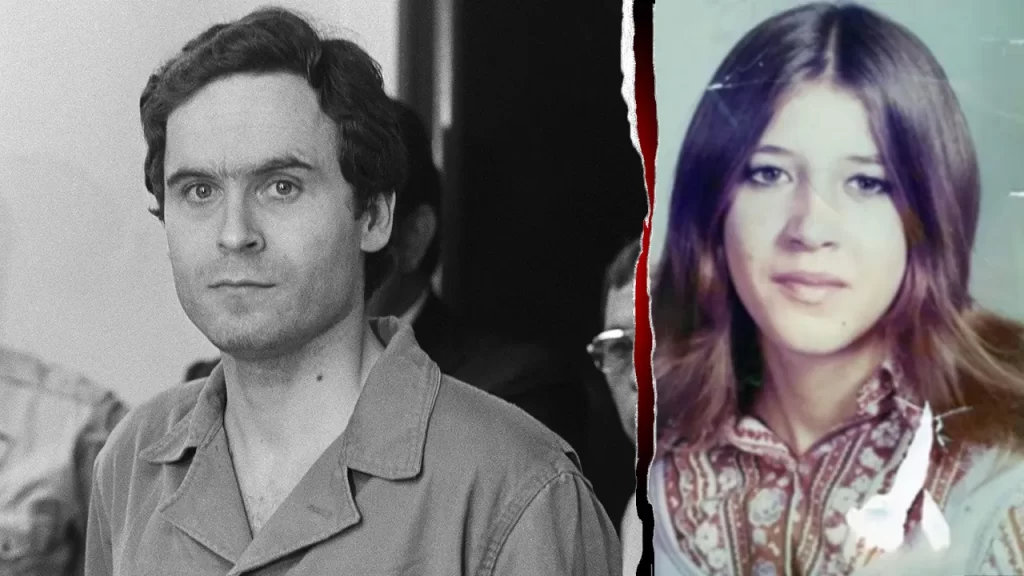

Ted Bundy Tied to Utah Cold Case as DNA Profile Shared to Find More Victims
Introduction
The legacy of Ted Bundy, one of America’s most notorious serial killers, continues to haunt countless families as new forensic techniques bring to light potential connections to unsolved cases. With the recent development of advanced DNA profiling technology, investigators are revisiting cold cases linked to Bundy in Utah, raising the possibility of discovering additional victims. This article explores the chilling associations and implications of these findings.
Who Was Ted Bundy?
A Brief Overview
Ted Bundy, active during the 1970s, is infamous for his heinous crimes across several states, including Utah. His charming demeanor and intelligence belied his violent tendencies, allowing him to lure many young women to their doom. Bundy’s capture and subsequent confessions revealed a shocking pattern of abductions, sexual assaults, and murders.
Bundy’s Connection to Utah
Bundy’s criminal activity in Utah, where he attended law school at the University of Utah, is particularly significant. He is known to have committed several murders in the state, establishing a grim legacy that has left law enforcement and families searching for answers.
The Utah Cold Case
The Evolution of Cold Cases
Cold cases are crimes that remain unsolved, often due to lack of evidence or leads. However, advancements in forensic science, particularly DNA technology, are breathing new life into these investigations. In Utah, cold cases related to Bundy are now being re-examined using DNA profiling, heightening the hope of finding justice for unresolved cases.
Recent Developments
Authorities in Utah recently shared a DNA profile that may link Bundy to additional victims in the state. This is an unprecedented step, with investigators combing through unsolved cases from the 70s and 80s. With the ongoing research and outreach to the public, this DNA profile could provide crucial evidence and lead to the identification of more victims.
The Role of DNA Profiling
How DNA Profiling Works
DNA profiling analyzes genetic material to create a unique identifier for an individual. This technology can match biological samples collected from crime scenes to potential suspects, making it a powerful tool in solving cold cases.
Impact on Serial Killer Investigations
In the realm of serial killers, DNA profiling has revolutionized the way investigators link murders across different jurisdictions. Bundy’s modus operandi was consistent, and matching DNA found at crime scenes could confirm connections to unsolved cases, helping to establish a more comprehensive picture of his victimology.
Investigative Techniques Employed
Review of Evidence
Law enforcement officials are meticulously reviewing evidence from cold cases tied to Bundy. This includes re-examining old police reports, witness statements, and physical evidence collected but previously unresolved. By updating the investigation with today’s technology, authorities are equipped to uncover connections that were once impossible to see.
Collaboration with Genealogists
Recent successes in solving cold cases have often involved collaboration with genealogists who specialize in genetic information. By using public DNA databases, investigators can trace familial links that may lead them closer to identifying victims or confirming links to Bundy’s known crimes.
Potential Victims of Bundy in Utah
Unsolved Cases Under Review
The renewed focus on Bundy has led authorities to re-open investigations into several unsolved cases thought to be linked to him. Families of victims long thought forgotten are beginning to receive renewed attention, with hopes that the DNA profile might yield new leads.
Notable Cases of Interest
Several cold cases in Utah are under scrutiny, including the disappearances of young women during Bundy’s active years. Each unresolved case holds the potential for closure and brings renewed focus on the incredible pain inflicted upon families by Bundy’s reign of terror.
The Impact on Families
Seeking Closure
For many families, the reopening of these cases brings both hope and anxiety. The prospect of finding answers can be a double-edged sword; while many long for closure, revisiting traumatic events can be emotionally taxing.
Community Support
Local communities are rallying around families affected by Bundy’s actions. Groups and organizations dedicated to victim advocacy provide resources and support, encouraging families to stay involved in the pursuit of justice.
Ethical Considerations
The Balance of Truth and Trauma
As investigators delve into Bundy’s past, ethical considerations arise. Balancing the need for justice with the potential for re-traumatizing families and communities is a complex issue faced by law enforcement and support organizations alike.
The Role of Media and Public Interest
The media plays a significant role in shaping the narrative around serial killers and their victims. While it can galvanize public interest and prompt tips that aid investigations, it can also sensationalize tragedies and further complicate the healing process for those affected.
Future Implications for Cold Case Investigations
Continued Emphasis on Forensic Science
As technology continues to advance, the likelihood of solving other cold cases increases. The use of DNA profiling, coupled with modern investigative techniques, offers fresh hope to families who have waited decades for answers.
Lessons Learned from Bundy’s Cases
The investigation into Bundy’s crimes can also serve as a learning opportunity for law enforcement agencies. By understanding the complexities of his behaviors and methods, future investigations can be better equipped to handle similar cases.
Conclusion
The connection between Ted Bundy and Utah’s cold cases evokes a sense of unease, yet it carries the potential for closure for many families. As DNA profiling and modern investigative techniques continue to evolve, the hope remains that more victims will be identified and that justice will finally be served. The haunting legacy of Bundy serves as a stark reminder of the importance of continued vigilance and the pursuit of truth in the face of unspeakable horror.
SEO Optimization Tips:
- Use keywords such as “Ted Bundy,” “Utah cold case,” “DNA profiling,” “serial killer investigations,” and “victim advocacy” in headers and throughout the content.
- Optimize meta descriptions to include relevant keywords and encourage clicks.
- Use internal links to connect to related articles on cold cases, DNA advancements, and victim support resources.