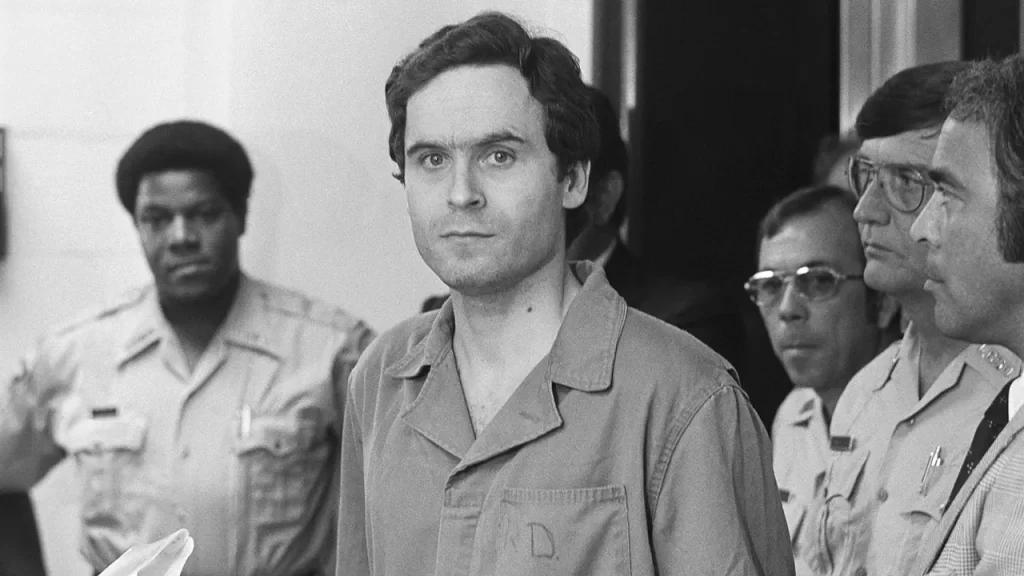

Ted Bundy’s Cousin Edna Martin Reveals Moment She Knew He Was Guilty
Introduction
The chilling story of Ted Bundy, one of America’s most notorious serial killers, continues to captivate the public’s imagination even decades after his execution. Bundy’s heinous crimes shocked the nation, and many struggled to reconcile the charming façade he presented with the monstrous acts he committed. Among those trying to make sense of his duality is Edna Martin, Bundy’s cousin. In this comprehensive article, we will delve into Edna Martin’s perspective and reveal the pivotal moment she realized Ted Bundy was guilty of his terrible crimes.
Understanding Ted Bundy: A Brief Overview
Before we explore Edna Martin’s revelations, it’s vital to understand who Ted Bundy was. Born in 1946 in Burlington, Vermont, Bundy was known for his good looks and charisma, traits that he exploited to gain the trust of his victims. He was responsible for the murders of at least 30 young women throughout the 1970s, although it’s believed the actual number may be significantly higher. His ability to circumvent suspicion and manipulate those around him made him a master of deception.
Edna Martin: A Family Connection
Edna Martin grew up in a close-knit family with Bundy. While they were relatives, their lives took drastically different paths. Edna often recalled moments from their childhood, emphasizing how Ted appeared to be a typical boy, albeit with some hints of troubling behavior. This tension between what she knew of him personally and the horrific crimes he was accused of would later play a significant role in her realization of his guilt.
The Moment of Clarity: Edna’s Revelation
The Build-Up to the Truth
Edna Martin revealed that she had a “gut feeling” about Ted long before his crimes came to light. There were whispers in the family about Ted’s erratic behavior, but it wasn’t until she saw him on television, being described as a suspect, that her world began to unravel.
The News Coverage
At the time of his arrest, Bundy was being extensively covered by the media. Edna watched the news reports unfold, and on one fateful evening, she witnessed Ted’s sly smile and affected charm during a live television appearance. The juxtaposition of his demeanor with the horrifying allegations lodged against him struck Edna deeply.
“Seeing him on screen, wearing that cocky grin, made my skin crawl,” she recalled. It was at that moment she understood the gravity of his actions, and the realization turned her childhood memories of a charming cousin into a distressing nightmare.
The Psychological Conflict
The Struggle to Accept
Edna’s struggle to reconcile her memories of Ted with the reality of his actions showcases a universal theme when dealing with family members who commit heinous acts. Many people find it incredibly challenging to detach themselves from the past, creating internal conflicts that can manifest as denial or disbelief. Edna experienced this conflict acutely; her mind raced through memories of family gatherings and childhood games, desperately trying to align those thoughts with the man now facing serious charges.
Cognitive Dissonance
Cognitive dissonance played a significant role in Edna’s experience. As she learned about the details of the crimes, her mind struggled to reconcile the image of a beloved cousin with that of a potential murderer. This mental warfare is common among families of criminals and can be deeply distressing.
Recognizing the Signs: A Reflection
Edna also reflected on those moments from their childhood that she previously brushed off as innocent quirks—his fidgeting, the gathering of stray animals, and even his intense fixation on certain subjects. In hindsight, many of these behaviors painted a clearer picture that aligned with the disordered behaviors often exhibited by psychopaths. She now wonders why she didn’t pick up on these subtle signs earlier.
The Aftermath: Moving Forward
A Burden to Bear
Edna Martin expressed that knowing the truth about Ted Bundy has been a heavy burden. For many years, she grappled with feelings of guilt, sadness, and shame—not just for the victims but for her family. The implications of Bundy’s actions extended far beyond him, impacting his entire family and how they are viewed by society. They were often cast in a shadow of shame and disbelief, and Edna carries the emotional weight of this stigma.
Finding Strength in Sharing
In the years since managing her trauma, Edna has found a sense of empowerment in sharing her story. By openly discussing her experiences, she hopes to educate others about the complexities of familial relationships with criminals. Edna wants to encourage vigilance and awareness, suggesting that sometimes the signs are there if we choose to see them.
Conclusion: Lessons Learned
Edna Martin’s story serves as a poignant reminder that evil can exist alongside familiarity and affection. The moment she recognized her cousin’s guilt highlights the theme of denial that is often experienced in familial relationships with criminals. The experience of knowing a monster—someone you were once close to—can shatter our understanding of human nature and illuminate the very real dangers that lurk beneath the surface of charming facades.
Ultimately, Edna’s journey is one of healing and understanding. While the scars of her family’s association with Ted Bundy will never fully heal, she’s committed to sharing her truth. Her heart-wrenching narrative prompts us to reflect on subjects such as trust, deception, and the complexities of human relationships—all valuable lessons that remain relevant in today’s world.
In a society that often craves sensational stories, Edna’s testimony reminds us of the real people who continue to live with the consequences of evil—far beyond the headlines and sensationalism.