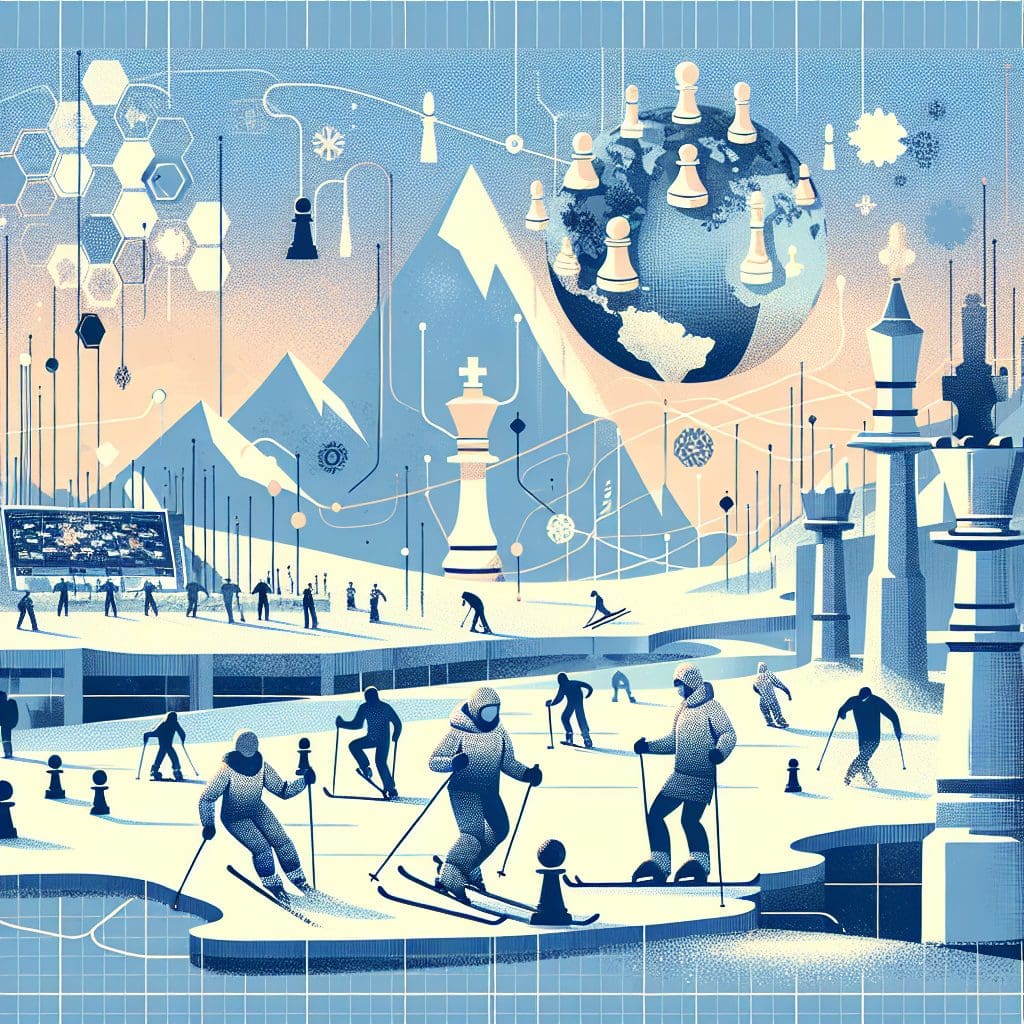

The Arctic Winter Games, a biennial celebration of sport and culture, embody the spirit of cooperation and competition among northern communities. As climate change and shifting geopolitics reshape the Arctic landscape, the influence of polar geopolitics is becoming increasingly significant in these games. This interaction not only reflects the evolving nature of international relations but also highlights the importance of indigenous voices and regional partnerships.
In recent years, the Arctic has garnered global attention due to its rich natural resources and strategic shipping routes. Nations such as Russia, Canada, the United States, and Norway are intensifying their interests in the region, which has led to a renewed focus on sovereignty and territorial claims. This geopolitical landscape creates both opportunities and challenges for the Arctic Winter Games. On one hand, increased attention can lead to a greater investment in infrastructure and sports development. On the other hand, it risks politicizing a platform that has historically emphasized unity and cultural exchange among northern communities.
The Arctic Winter Games are unique in their representation of indigenous athletes and cultures, which is increasingly important amid the backdrop of geopolitical tensions. These games provide a stage for the diverse voices of the Arctic, promoting cultural heritage and communal identity in a time when such issues may be overshadowed by national interests. The participation of indigenous athletes reinforces the idea that the Arctic is home to rich traditions and histories, challenging the notion that the region is merely a political battleground.
Moreover, as countries vie for influence in the Arctic, they may seek to leverage events like the Arctic Winter Games to foster goodwill and showcase their commitment to northern communities. Initiatives aimed at enhancing cooperation, such as joint training programs or cultural exchanges, could emerge, further intertwining sports with geopolitical ambitions. Such collaborations have the potential to strengthen ties among Arctic nations and prevent the escalation of tensions.
However, the politicization of the Arctic Winter Games also brings risks. The introduction of geopolitical influences could overshadow the games’ original mission, turning them into a platform for national posturing rather than one of solidarity and sportsmanship. To counteract this trend, organizers must ensure that the focus remains on athletes and cultural exchange, safeguarding the games’ fundamental ethos.
In conclusion, the Arctic Winter Games stand at the intersection of culture, sport, and geopolitics. While the emerging influence of polar geopolitics presents both opportunities and challenges, it is crucial that the spirit of unity and cooperation continues to guide these games. By emphasizing cultural heritage and fostering dialogue among nations, the games can remain a vital celebration of the Arctic’s rich legacy amidst a changing global landscape.
For more details and the full reference, visit the source link below: