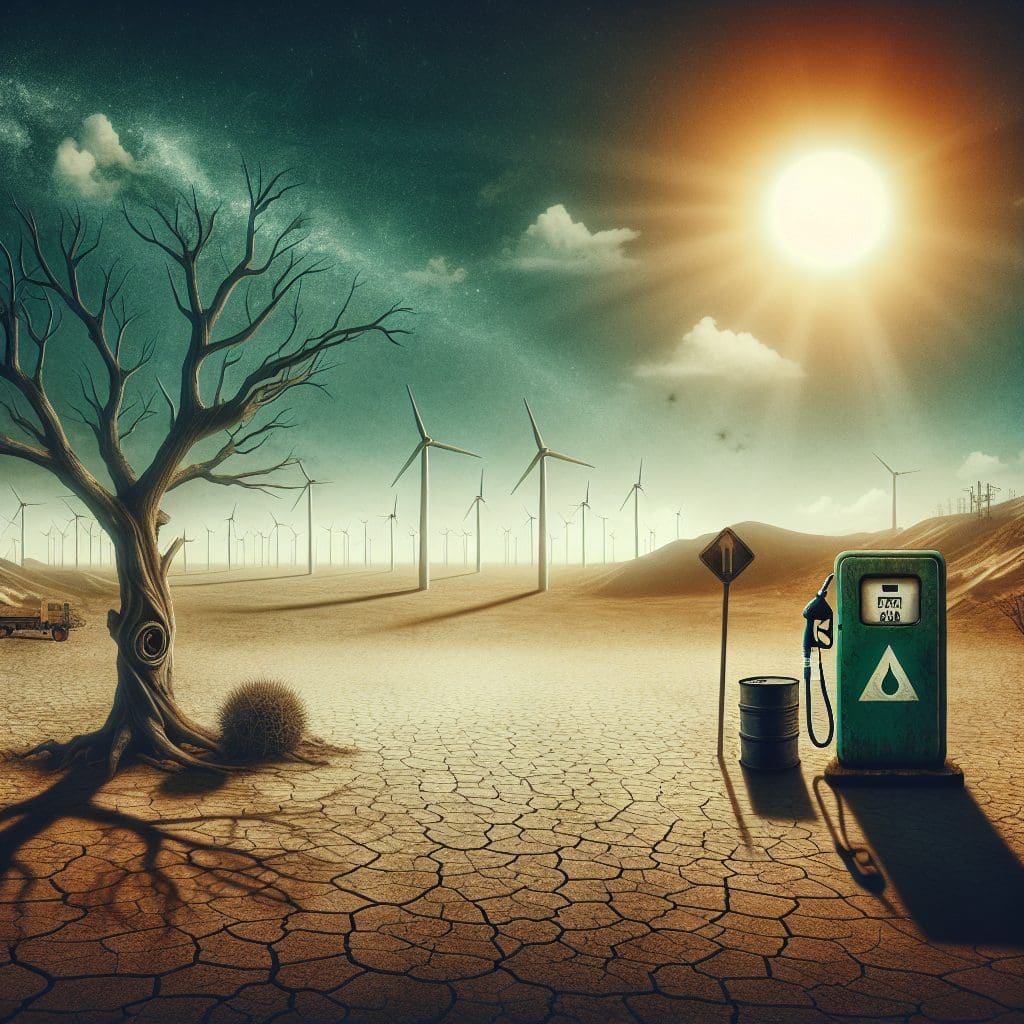

The energy crisis is an escalating concern that is beginning to manifest as one of the most pressing global challenges of our time. With rising demand, depleting fossil fuel reserves, and the urgent need for a transition to sustainable energy sources, the situation is becoming increasingly critical. What was once a whisper of uncertainty among policymakers and environmentalists is now growing louder, indicating that we may be on the brink of a much larger global crisis.
Firstly, the demand for energy continues to surge, driven largely by population growth and industrialization, especially in developing nations. As countries aim to lift their citizens out of poverty, their energy consumption spikes, putting immense pressure on existing resources. Fossil fuels, primarily oil, coal, and natural gas, remain predominant sources of energy, accounting for over 80% of global consumption. However, these resources are finite and unevenly distributed, leading to geopolitical tensions and market volatility. The reliance on fossil fuels has not only created economic vulnerabilities but has also intensified the environmental degradation and climate change that threaten our planet’s future.
Furthermore, the global shift toward renewable energy sources, while essential, has yet to achieve the pace required to prevent an energy crisis. Technologies like solar, wind, and hydropower are advancing, yet infrastructural, regulatory, and financial hurdles impede their widespread adoption. Additionally, the transition requires a skilled workforce and substantial investment, which some countries may struggle to muster in an increasingly polarized political climate. As traditional energy sources become more expensive due to stricter regulations and dwindling supplies, the transition to renewables is not only a technological challenge but a social and economic one as well.
Moreover, the ongoing conflict in energy-rich regions, combined with natural disasters exacerbated by climate change, has further strained supply chains. Events like hurricanes, wildfires, and floods can disrupt fossil fuel production and transportation, leading to spikes in energy prices. This creates a vicious cycle: higher energy costs strain economies, leading to greater social unrest and political instability, which in turn disrupts energy supply.
Lastly, the looming energy crisis is compounded by a lack of global cooperation. While the Paris Agreement aims to combat climate change, countries often prioritize national interests over collective action. Without cohesive international strategies, coordinated investments, and shared technologies, the world risks falling into an energy abyss.
In conclusion, the energy crisis is not merely a future dilemma—it is unfolding now. As we navigate through this turbulent landscape, addressing the multifaceted dimensions of energy demand, sustainability, and geopolitics will be crucial in averting a catastrophe. Immediate action is necessary to build a resilient energy future that balances economic growth with environmental sustainability.
For more details and the full reference, visit the source link below:
Read the complete article here: https://www.stl.news/the-energy-crisis-is-only-getting-started/